10 Breakthrough Technologies That Will Define 2026
MIT Technology Review reveals the top technological breakthroughs of 2026, including sodium-ion batteries, next-gen nuclear reactors, AI companions, and hyperscale AI data centers.
MIT Technology Review has released its annual list of breakthrough technologies that will drive progress and change in the years ahead. The 2026 list highlights innovations across climate, energy, artificial intelligence, biotechnology, and space.
Climate Change and Energy:
Sodium-ion batteries, made from abundant materials like salt, are emerging as a cheaper, safer alternative to lithium. Backed by major players and public investment, they're set to power grids and affordable electric vehicles worldwide.
Next-generation nuclear power already provides steady electricity to grids around the world without producing greenhouse-gas emissions. New designs rely on alternative fuels and cooling systems or take up less space, which could get more reactors online faster. From molten salt to TRISO fuel, technological advancements could upend this old power technology.
Artificial Intelligence:
Generative coding - AI coding tools are revolutionizing how we write, test, and deploy code, making it easier and faster to build sophisticated websites, games, and other applications than ever before.
AI companions - Every day, millions of people interact with AI chatbots, with some forming what feel like close, personal bonds with the bots. There's mounting evidence that this can be dangerous, and politicians are finally waking up to address the issue.
Mechanistic interpretability - Nobody knows exactly how large language models work, which means we don't have a clear idea of their limitations. Clever research techniques are giving us the best glimpse yet of what's really going on inside the black box. Scientists are studying large language models as if they were living things instead of computer programs, discovering some of their secrets for the first time.
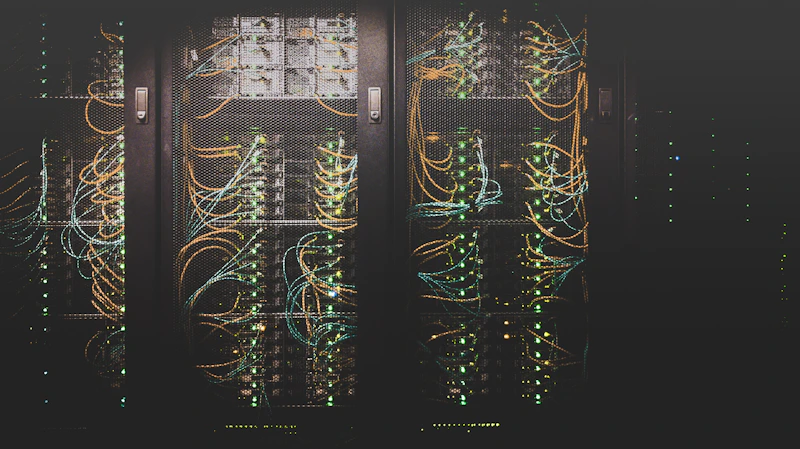
Hyperscale AI data centers - The race for AI supremacy has supercharged data centers. Hyperscale AI data centers pack powerful computer chips into synchronized clusters that work like giant, high-speed supercomputers - sizzling hot, power-hungry behemoths pushing infrastructure to its limits.
Biotechnology:
Base-edited baby - When he was just seven months old, baby KJ became the first person to receive a personalized gene-editing treatment. A clinical trial is now planned, and bespoke gene-editing drugs could be approved within the next few years.
Gene resurrection - Growing banks of gene information on extinct creatures are providing clues to new treatments and suggesting solutions to climate change - and may help save endangered species.
Embryo scoring - Screening embryos for genetic diseases is relatively common practice in fertility clinics today. Now, new startups are making bold claims about using similar techniques to predict certain traits, including intelligence.
Space:
Commercial space stations - Space tourism may seem fanciful, but this might be the year paying customers can finally check into a room with a galactic view. The shiny new modules will also support research missions by scientists and space agencies.
The publication is also conducting a vote for the 11th breakthrough technology, with options including reasoning models, artificial wombs, humanoid robots, and uncrewed fighter jets. Voting closes on April 1, 2026.
These breakthrough technologies represent the cutting edge of innovation and are expected to have significant impacts on society, the economy, and the environment in the coming years.