AI Infrastructure Race Hits Reality Check: $7 Trillion Investment Needed for Data Centers
Industry leaders estimate that planned AI data center expansions could require up to $7 trillion in investment as demand for compute power, energy, and cooling systems surges. OpenAI recently closed a $122 billion funding round at an $852 billion valuation, while a Gartner report reveals only 28% of AI projects deliver meaningful returns. Energy availability is emerging as the primary bottleneck to AI scale.
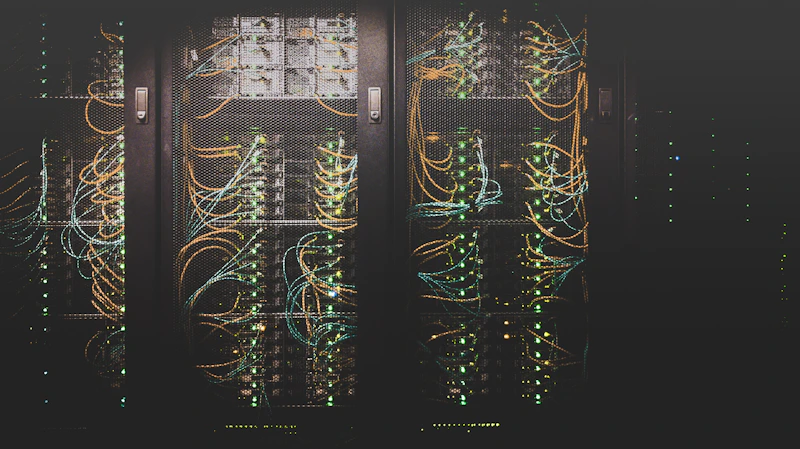
The global race to build artificial intelligence infrastructure is hitting a significant reality check, with industry leaders estimating that planned data center expansions could require up to $7 trillion in investment due to surging demand for compute power, energy, and cooling systems. The staggering figure underscores both the enormous ambitions of the AI industry and the practical challenges of scaling AI to meet those ambitions.
OpenAI recently closed a funding round worth $122 billion, with a post-money valuation of $852 billion, one of the largest private financings in tech history. The capital is intended to fund the next phase of AI development, but Wall Street reports indicate that OpenAI's computing-power spending is projected to reach $121 billion in 2028, contributing to an anticipated burn of $85 billion that year.
Energy availability is emerging as the primary bottleneck to AI scale. AI systems and data centers consumed about 415 terawatt hours of power in 2024, accounting for over 10% of U.S. Total electricity production, and demand is projected to double by 2030. This surge is forcing governments and companies to reconsider energy strategies, including investments in nuclear and renewable power.
Despite the enormous investment flowing into AI, a Gartner report reveals that only 28% of AI projects in infrastructure and operations deliver meaningful returns, with 20% failing outright. This gap between ambition and execution is prompting a shift in enterprise AI strategy from broad experimentation to focused execution and product discipline.
Meta is preparing to release a new generation of AI models, planning to open-source key components while keeping other parts proprietary. OpenAI, meanwhile, is narrowing its focus to core products like coding tools and enterprise solutions, scaling back ambitious side projects after reaching its record valuation.
Geopolitical tensions are adding another layer of complexity to AI infrastructure planning. Iran's Islamic Revolutionary Guard Corps has threatened major U.S. Tech companies operating in the Middle East, including Apple, Google, Microsoft, and Nvidia, highlighting how geopolitical risk has become infrastructure risk in the AI era.