AI-Powered Gadgets Move Beyond Smartphones in 2026
Technology companies are releasing AI-powered wearables and devices that aim to reduce screen time while providing voice-activated assistance, raising new privacy concerns.
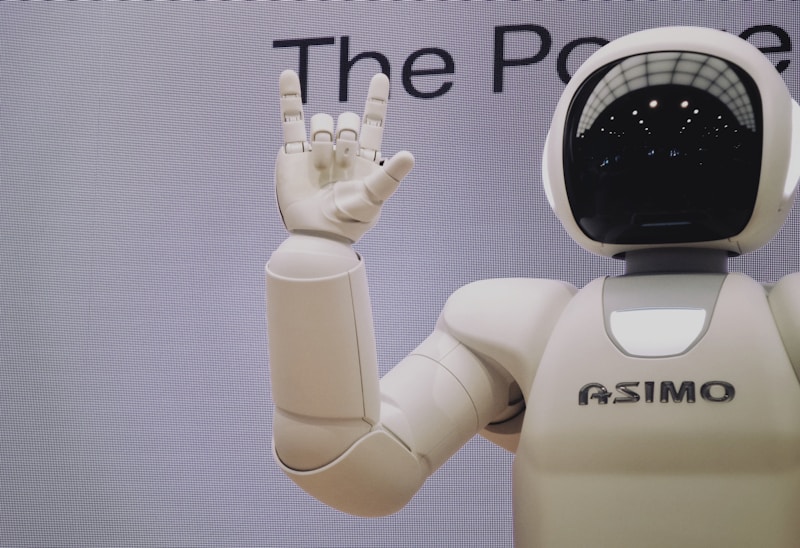
AI is transitioning from hype to practical implementation, leading to a new generation of gadgets that aim to move beyond the traditional smartphone experience. These devices, often wearable or integrated into existing items like glasses, pens, and rings, use AI for voice interaction, eliminating the need for screens.
Meta's Ray-Ban AI glasses allow users to take photos and interact with an AI bot. Google has also previewed smart glasses. OpenAI, which acquired a hardware startup co-founded by Jony Ive, is expected to release its first hardware product in the second half of 2026, focusing on AI-purpose-built hardware that is less distracting than current devices.
The proliferation of these AI-powered devices raises significant privacy questions, particularly regarding constant audio and video recording and the capture of data from individuals without their explicit consent. Privacy advocates are calling for clear regulations and user protections.
Technology companies are also taking a more detailed approach to personal health monitoring, with new tools designed to provide deeper insights into individual well-being. Examples include wearables that detect perimenopause symptoms, handheld gadgets for monitoring reproductive hormones, and Samsung phones, watches, and smart rings that can notify users of potential cognitive decline based on gait and speech patterns.
ChatGPT Health is emerging as a specialized platform to analyze data from various health apps and medical records, offering insights to users. The financial incentives for these health tech companies are substantial, but concerns remain about how they will deliver these services while respecting user privacy.
AI's integration into the workplace is accelerating, bringing both opportunities and challenges. AI is expected to replace jobs involving routine, predictable, and repetitive tasks, but also create new roles and enable workers to increase efficiency.