AI's Growing Power Demands Strain European Electricity Grids
The rapid expansion of AI and data centers is pressuring utilities to optimize Europe's power grids to accommodate rare electricity demand.
The artificial intelligence revolution is creating an unexpected challenge for Europe's electricity infrastructure. As AI applications proliferate and data centers expand to support them, utilities across the continent are struggling to meet the rare surge in power demand.
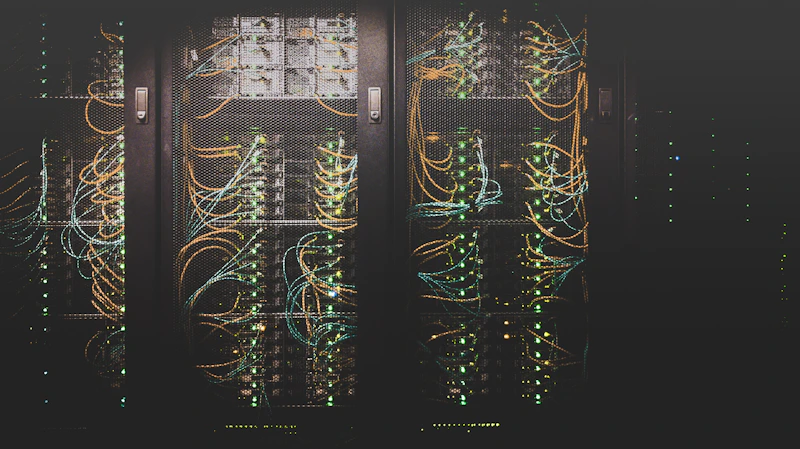
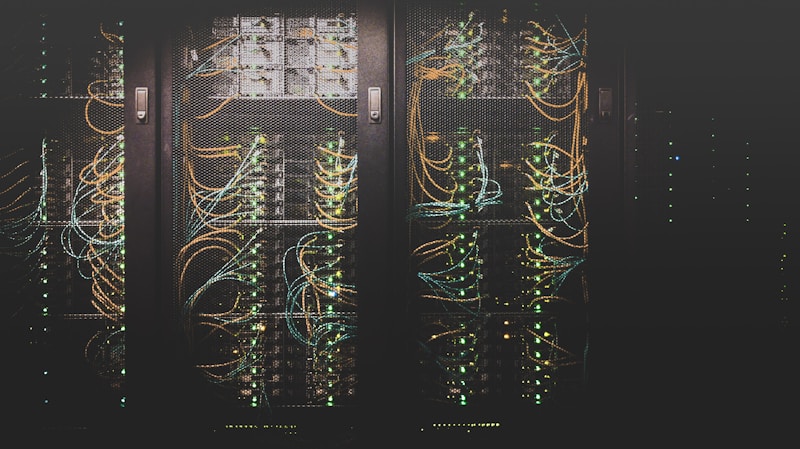
Data centers, which house the servers that power AI systems, are extraordinarily energy-intensive. A single large data center can consume as much electricity as a small city. As companies race to develop and deploy AI technologies, they are building data centers at an rare pace, creating a strain on electrical grids that were not designed for such concentrated, high-demand loads.
The problem is particularly acute in Europe, where aging electrical infrastructure and ambitious renewable energy goals create additional complexity. Many European countries are simultaneously trying to phase out fossil fuel power plants, integrate intermittent renewable energy sources like wind and solar, and meet the growing electricity demands of AI and data centers.
Utilities are responding with a multi-faceted approach. First, they are working to optimize existing grid infrastructure through smart grid technologies that can better balance supply and demand. These systems use real-time data and automated controls to route electricity more efficiently and respond quickly to changes in demand.
Second, utilities are accelerating investments in grid expansion and modernization. This includes building new transmission lines, upgrading substations, and installing more sophisticated monitoring and control equipment. However, these infrastructure projects take years to complete and require substantial capital investment.
Third, there is growing interest in locating data centers near renewable energy sources or in regions with excess grid capacity. Some tech companies are even investing in their own renewable energy projects to power their data centers, helping to add clean energy capacity to the grid.
Energy efficiency is another critical focus. Data center operators are implementing more efficient cooling systems, using AI to optimize their own energy consumption, and exploring innovative approaches like liquid cooling and waste heat recovery. Some data centers are achieving significant energy savings through these measures.
The situation has sparked policy discussions about how to balance the economic benefits of AI development with environmental and infrastructure concerns. Some European countries are considering regulations that would require data centers to meet certain energy efficiency standards or contribute to grid infrastructure costs.
The challenge extends beyond Europe. In the United States and Asia, similar concerns are emerging as AI drives data center growth. The global nature of the problem is prompting international cooperation on best practices and technology sharing.
For the AI industry, energy constraints could become a limiting factor on growth. Companies may need to factor electricity availability and cost into their decisions about where to locate data centers and how quickly to scale their AI operations.
Looking ahead, experts predict that solving the AI energy challenge will require innovation on multiple fronts: more energy-efficient AI algorithms, breakthrough cooling technologies, expanded renewable energy capacity, and smarter grid management. The companies and countries that successfully navigate these challenges will be well-positioned to lead in the AI era.