Big Tech Commits $725 Billion to AI Infrastructure in 2026 While Cutting Tens of Thousands of Jobs
Meta, Amazon, Microsoft, and Alphabet have collectively earmarked about $725 billion in capital spending for 2026, almost all of it for AI data centers, chips, and models. At the same time, the four companies are cutting tens of thousands of employees.

The four largest U.S. technology companies are spending more on artificial intelligence than ever before, and they are doing it while cutting their workforces.
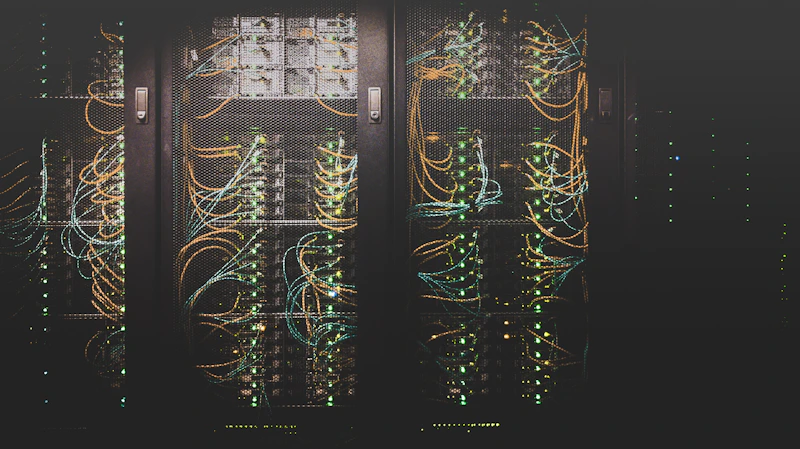
Meta, Amazon, Microsoft, and Alphabet have collectively signaled roughly $725 billion in capital expenditures for 2026. The spending is almost entirely earmarked for data centers, custom chips, GPUs, and AI models. That is an increase of more than 75% year over year.
At the same time, the sector is trimming headcount. Meta plans to lay off 8,000 employees in May. Amazon has cut roughly 30,000 roles in recent months. Microsoft has offered voluntary buyouts to about 125,000 employees.
The pattern reflects a strategic reallocation from payroll to compute infrastructure. Companies are prioritizing training and inference capacity over traditional software or services headcount.
Nvidia is also moving aggressively. The company has committed over $40 billion in equity investments this year, including agreements to invest up to $2.1 billion in data center operator IREN and up to $3.2 billion in glass maker Corning. The strategy aims to secure Nvidia's position across the AI supply chain.
SpaceX is planning a massive AI chip manufacturing project in Texas. Filings point to a proposed $55 billion Terafab facility that would support chips for Tesla self-driving systems, humanoid robots, and AI data centers.
The energy demands of AI are also becoming a flashpoint. A Michigan farm town initially rejected a 21-million-square-foot OpenAI-Oracle AI data center due to concerns over farmland loss, traffic, electricity demand, and environmental impact. After the developer sued and the town settled, construction vehicles arrived on site for what will be the state's largest-ever construction project.
The message across the industry is becoming harder to ignore: AI is no longer just software. It is turning into infrastructure, geopolitics, manufacturing, energy, and national strategy all at once.