Big Tech to Spend $600 Billion on AI Infrastructure in 2026 as Race Intensifies
Major technology companies including Google, Amazon, Microsoft, and NVIDIA are projected to spend $600 billion on AI infrastructure in 2026. The spending covers chips, data centers, cloud capacity, and power systems. Analysts say the scale of investment suggests AI market leadership will be determined by infrastructure depth, not just software.

The world's largest technology companies are on track to spend $600 billion on artificial intelligence infrastructure in 2026, according to projections from industry analysts, as the race to dominate AI accelerates.
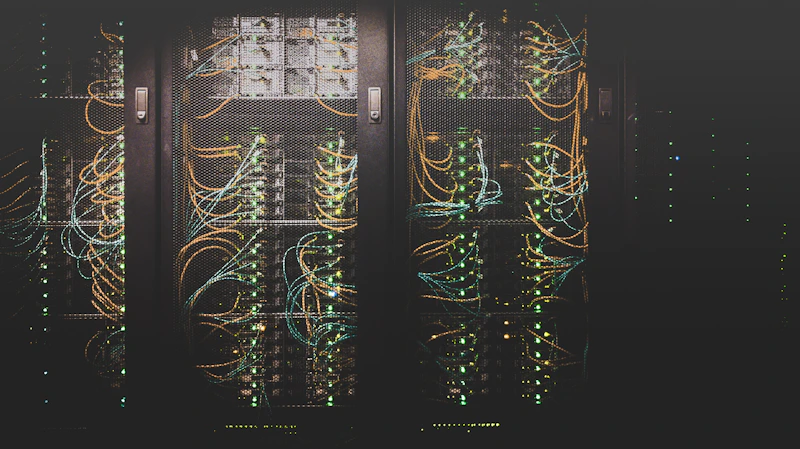
The spending covers AI chips, data centers, cloud computing capacity, and the power systems needed to run them. Google, Amazon, Microsoft, and NVIDIA are among the biggest spenders.
Google Cloud introduced its eighth-generation Tensor Processing Units this month, with specialized chips for large-scale AI training and high-volume inference workloads. The company is also building a major AI hub in Visakhapatnam, India, and plans to construct an AI campus in Seoul, South Korea.
OpenAI's Stargate data center project, originally announced as a $500 billion venture, is being restructured as costs rise and partnership arrangements shift. CEO Sam Altman said the company is taking a more flexible approach to infrastructure partnerships.
NVIDIA launched Nemotron 3 Nano Omni, an open multimodal model designed for agentic AI systems, extending the company's reach beyond chips into software and full-stack AI infrastructure.
Meta agreed to purchase up to one gigawatt of power from Overview Energy's planned space-based solar system to help power its growing data center needs.
Citigroup raised its long-term AI market-size projection above $4 trillion, citing accelerating enterprise adoption and the integration of generative AI tools across industries.
The scale of investment has prompted debate about whether smaller companies and startups can compete. Some analysts argue that AI winners will be determined by infrastructure depth, giving large incumbents a structural advantage.
Elon Musk outlined plans for Terafab, a massive AI chip manufacturing project in Austin, Texas, intended to support Tesla, SpaceX, and his AI company xAI.