Big Tech to Spend $725 Billion on AI Infrastructure in 2026, Driven by Data Center Demand
Meta, Amazon, Microsoft, and Alphabet are projected to spend approximately $725 billion in capital expenditures in 2026, primarily on data centers, custom chips, and AI models. The figure represents a 75% year-over-year increase as the AI infrastructure race intensifies.
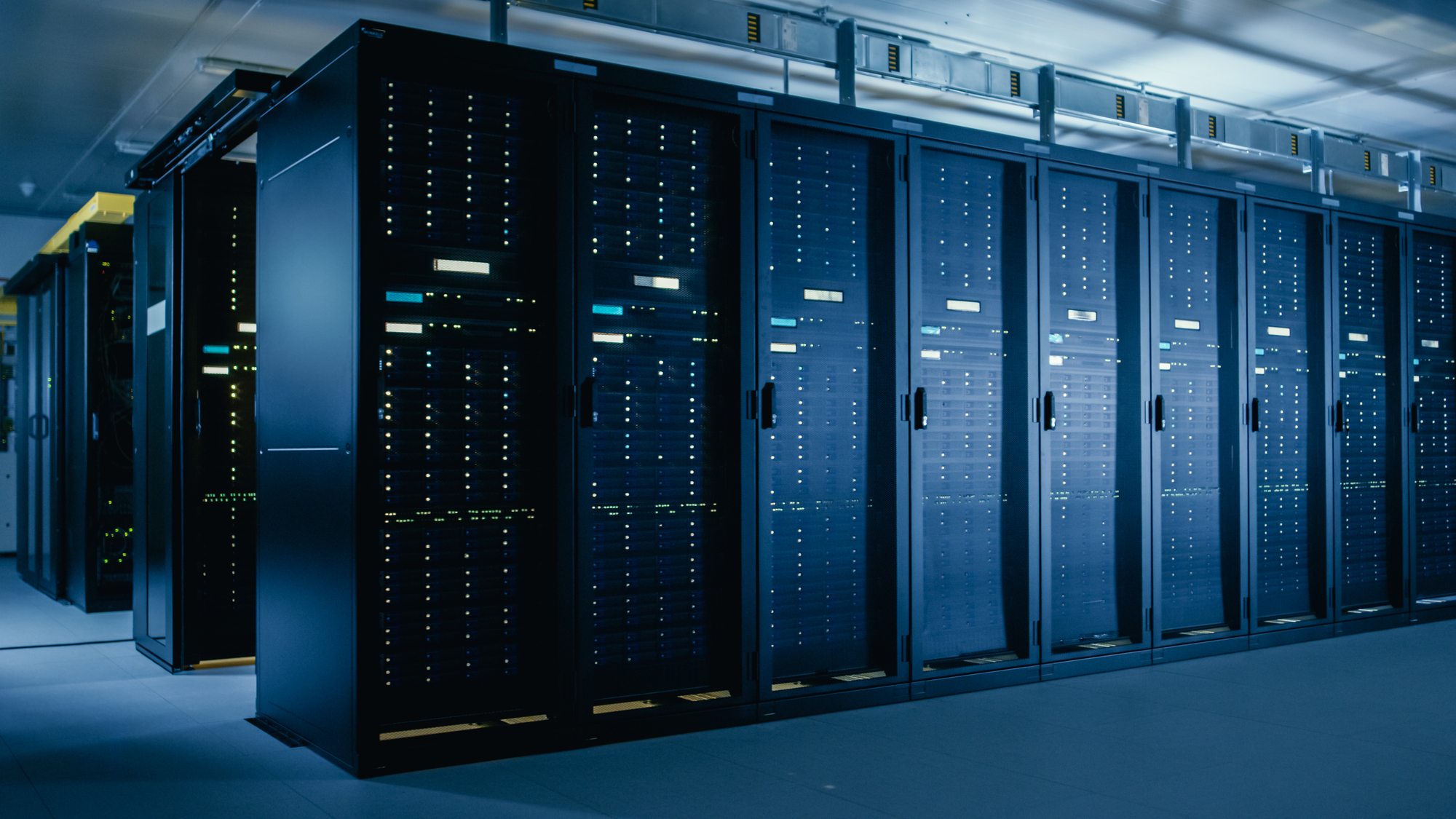
The four largest technology companies in the United States are on track to spend roughly $725 billion on capital expenditures in 2026, with the bulk going toward data centers, custom chips, GPUs, and AI models.
That figure, reported by TechStartups, represents a more than 75% increase over 2025 spending. Meta, Amazon, Microsoft, and Alphabet are all racing to build the infrastructure needed to train and run increasingly powerful AI systems.
Nvidia is investing billions in data center capacity, including a $2.1 billion deal with IREN for up to 5 gigawatts of data center capacity. SpaceX is planning a $55 billion "Terafab" facility in Texas for AI chip manufacturing, supporting Tesla's self-driving systems, humanoid robots, and AI data centers.
Anthropic secured a deal to use all available compute at SpaceX's Colossus 1 data center in Memphis, gaining access to more than 300 megawatts of capacity.
Energy is becoming a major constraint. American Electric Power reported that approximately 90% of its 63-gigawatt contracted capacity pipeline is tied to data center customers. The company raised its capital plan to $78 billion.
Taiwan Semiconductor Manufacturing Company is increasing wind-power purchases to fuel its advanced fabs due to record AI-driven chip orders.
Foxconn reported a 29.7% revenue increase in April, driven by strong demand for AI servers and related hardware.
A Peter Thiel-backed startup called Panthalassa raised $140 million to develop floating, self-powered AI data centers in the ocean, using wave turbines for electricity and seawater for cooling.
The spending surge is reshaping the U.S. power grid and raising questions about the long-term environmental impact of AI infrastructure growth.