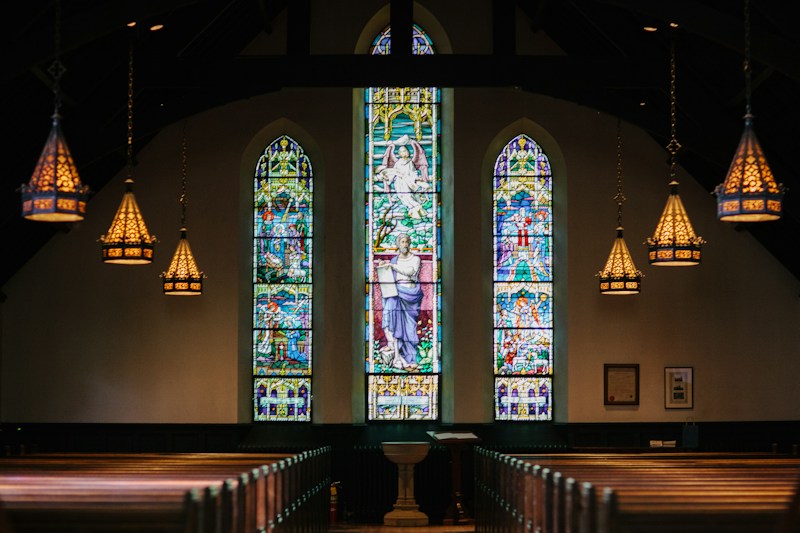
Black Church Crawl in North Carolina Celebrates History of Gullah Geechee Congregations
The Gullah Geechee Cultural Heritage Corridor hosted a Black Church Crawl on April 18 in Brunswick and New Hanover counties, North Carolina. The tour visited historic churches including Reaves Chapel and St. Stephen AME, highlighting their role as centers of faith and community resistance.
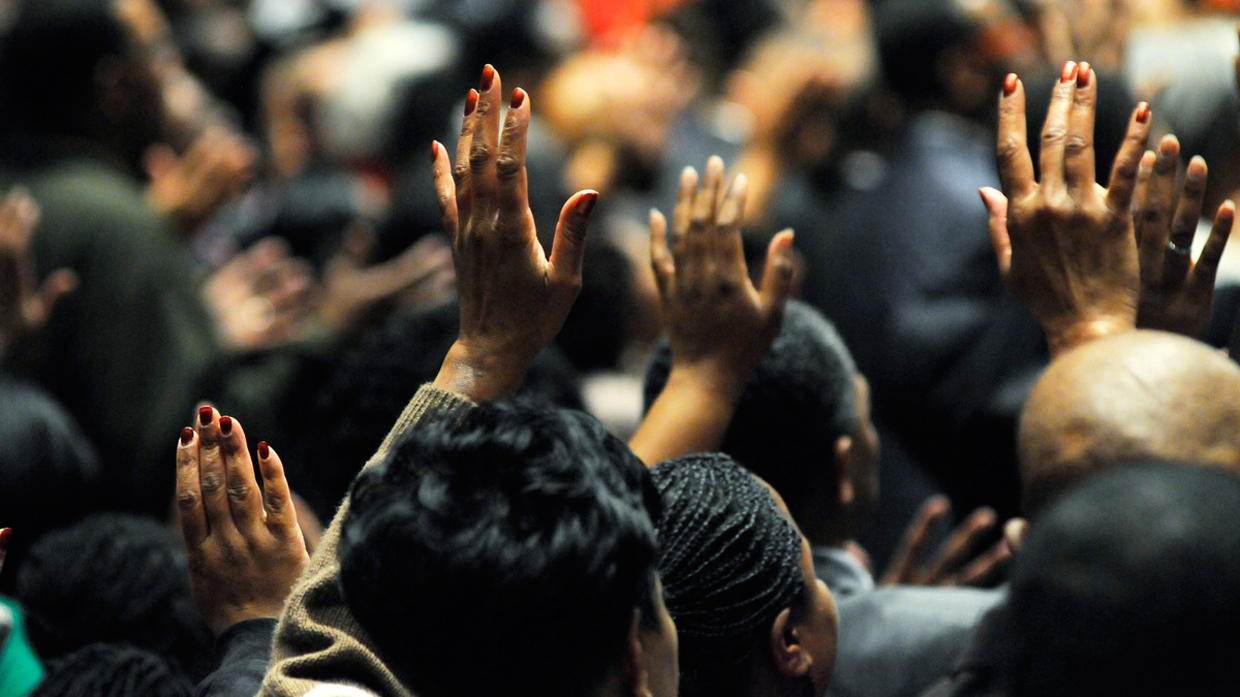
The Gullah Geechee Cultural Heritage Corridor organized a Black Church Crawl on April 18, 2026, taking participants on an immersive tour of historic Black churches in Brunswick and New Hanover counties, North Carolina.
The event visited several congregations with deep roots in the region's history, including Reaves Chapel in Navassa, Chestnut Street Presbyterian Church, and St. Stephen African Methodist Episcopal Church in Wilmington. Each stop included presentations on the church's founding, its role in the community, and its connection to the broader Gullah Geechee cultural heritage.
The Gullah Geechee people are descendants of enslaved Africans who developed a distinct culture along the coastal areas of North Carolina, South Carolina, Georgia, and Florida. Their churches served not only as places of worship but as schools, meeting halls, and centers of resistance during and after slavery.
"These churches are living history," said one of the event organizers. "They survived slavery, Jim Crow, and urban renewal. They are still here, and they still matter."
The crawl drew participants from across the region, including historians, students, and members of the congregations themselves. Guides shared stories of pastors who sheltered freedom fighters, congregations that funded schools, and buildings that survived attempts to demolish them.
St. Stephen AME, founded in 1865, is one of the oldest African American churches in Wilmington. It played a significant role in the city's Black community during the 1898 Wilmington massacre, one of the deadliest acts of racial violence in American history.
Organizers said the event was designed to draw attention to the preservation needs of these historic buildings, many of which face structural challenges and limited funding for repairs.