Black Clergy Mobilize Across the Country After Supreme Court Voting Rights Ruling
Black clergy from multiple denominations held an emergency Zoom meeting on May 8, 2026, to coordinate a response after the Supreme Court issued a ruling that significantly affected the Voting Rights Act. Leaders in Louisiana, Tennessee, and other states announced plans to turn churches into voter registration hubs and reinstate 'Souls to the Polls' Sundays.
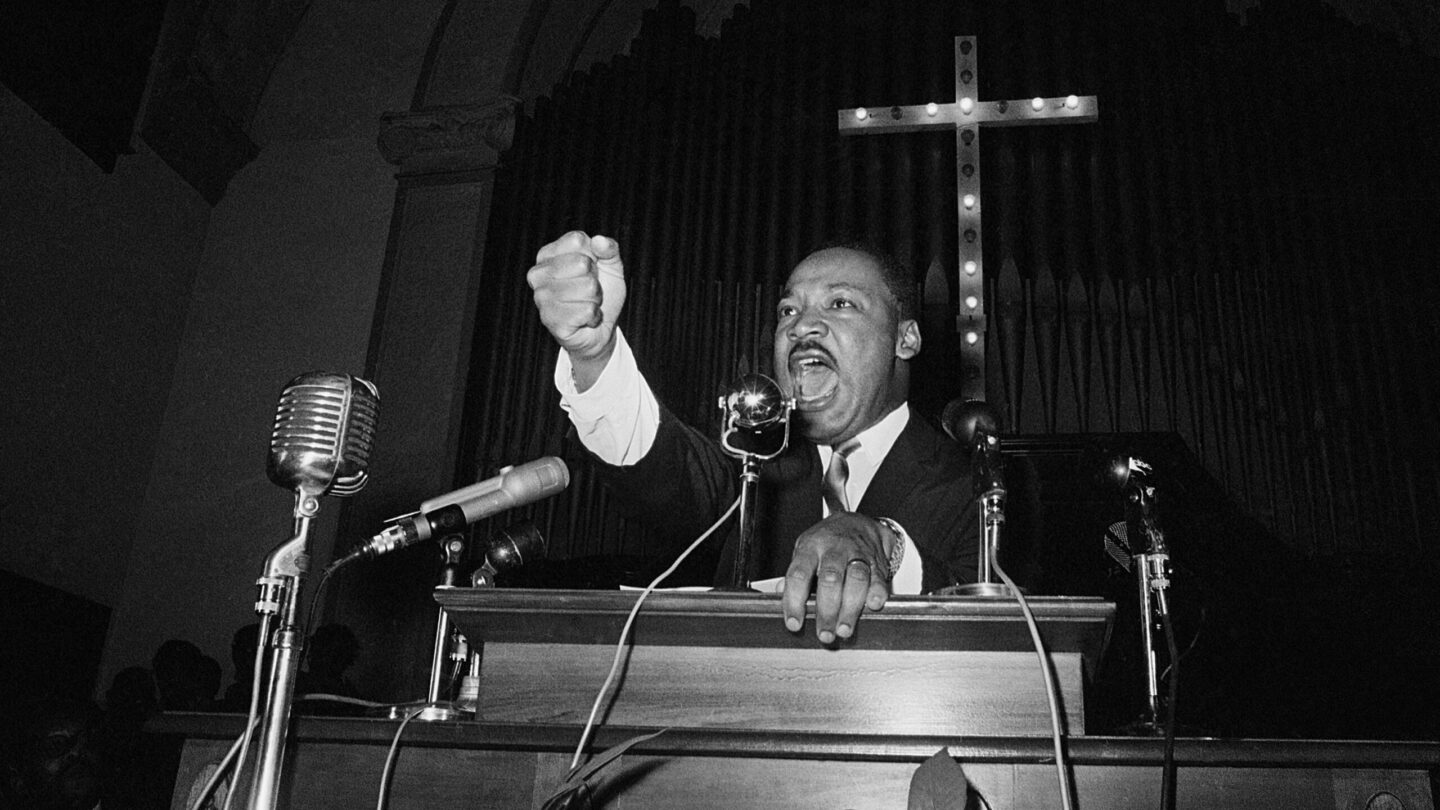
Black clergy from across the United States gathered on an emergency Zoom call on May 8, 2026, to plan their response to a Supreme Court ruling that significantly reshaped the Voting Rights Act.
Bishop Erika Crawford of the AME district covering Louisiana and Rev. Barbara Williams-Skinner of the National African American Clergy Network hosted the meeting. Leaders from multiple denominations joined.
Bishop Talbert Swan II, director of social justice ministry for the Church of God in Christ, announced that every COGIC church would become a voter registration hub. The plan calls for consistent registration tables, trained volunteers, and follow-up systems to ensure members vote.
Bishop Charley Hames Jr. of the Christian Methodist Episcopal Church called the Supreme Court decision a "massacre of our rights." His denomination plans to place designated voter engagement captains at every local church by the first Sunday in June. They will verify registration, assist with mail ballots, and organize rides to the polls. The CME Church is also reinstating "Souls to the Polls Sundays" for early voting periods.
In Louisiana, the ruling led to the elimination of a second majority-Black congressional district, which the court deemed an unconstitutional gerrymander. Pastor Debra Morton of Greater Saint Stephen Full Gospel Baptist Church in New Orleans urged her congregation to vote and "fight" rather than be discouraged.
In Memphis, the Rev. J. Lawrence Turner of Mississippi Boulevard Christian Church joined demonstrations against a Republican-led effort to dismantle a majority-Black district. Turner described the move as a "deliberate restructuring of power" targeting Black communities.
Clergy vowed legal challenges and increased voter turnout as their primary tools going forward.