Black Immigrants Are Reshaping African American Evangelical Churches
A new Christianity Today report published April 17, 2026, examines how Black immigrants are diversifying African American churches. Over 5 million Black immigrants now live in the United States, with African immigrants being the fastest-growing group. Their theologically conservative, Bible-centered congregations are expected to bring more ethnic diversity to denominations like COGIC and AME Zion.
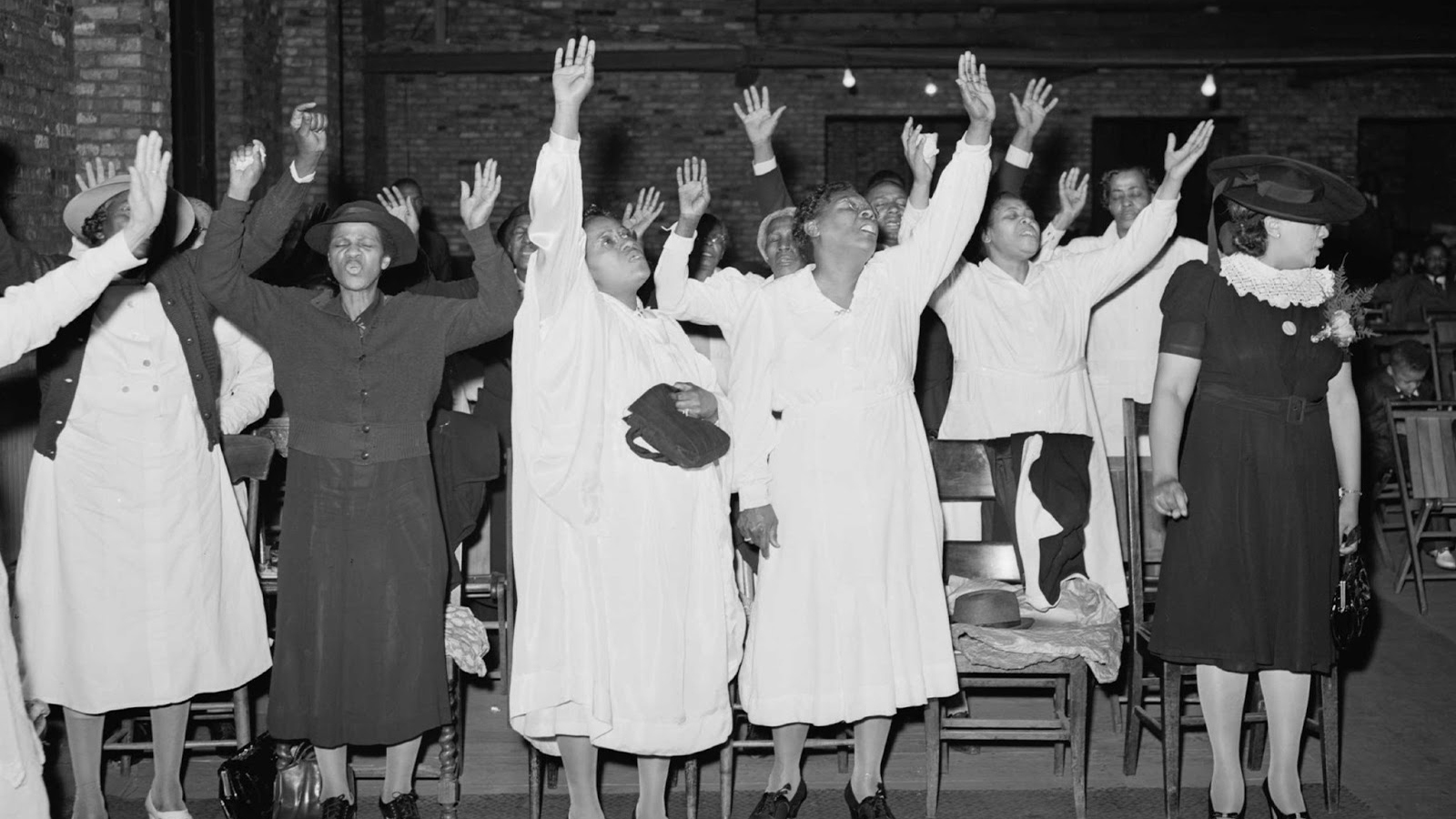
A new report published by Christianity Today on April 17, 2026, examines how Black immigrants are reshaping African American evangelical churches, bringing new theological perspectives and cultural traditions.
Over 5 million Black immigrants now live in the United States. African immigrants are the fastest-growing group among them. Many form theologically conservative, Bible-centered, and missional Christian congregations.
Historically, Black Christianity in America has included those who brought their faith from Africa through enslavement or immigration. In the 18th and 19th centuries, West Indians integrated into Black churches. The Civil Rights Movement in the 1960s led to changes in immigration law, opening doors for more immigrants.
Today, Black immigrant congregations are increasingly intersecting with traditional Black church denominations. Their presence is expected to grow, bringing more ethnic diversity to groups like the Church of God in Christ and AME Zion.
The report notes that Black immigrant churches often emphasize evangelism, global missions, and strict biblical teaching. These priorities sometimes align with and sometimes challenge the social justice focus that has historically defined many African American congregations.
Denominational leaders say the growing diversity is a strength. It reflects the global nature of Christianity and brings new energy to churches that have seen membership decline in some regions.
The AME Church's 2025-2028 Quadrennial Theme, "Revive Us Again," reflects a broader push for renewal across Black denominations. Bishop Francine A. Brookins was elected Chair of the General Board Social Action Commission in January 2026, signaling continued attention to both spiritual and social dimensions of church life.