Black Immigrants Are Reshaping the American Church
More than 5 million Black immigrants now live in the United States, and their presence is changing the makeup of American Christianity. African immigrants are the fastest-growing group, and researchers say their theologically conservative, Bible-centered faith is challenging popular ideas about American evangelicalism.
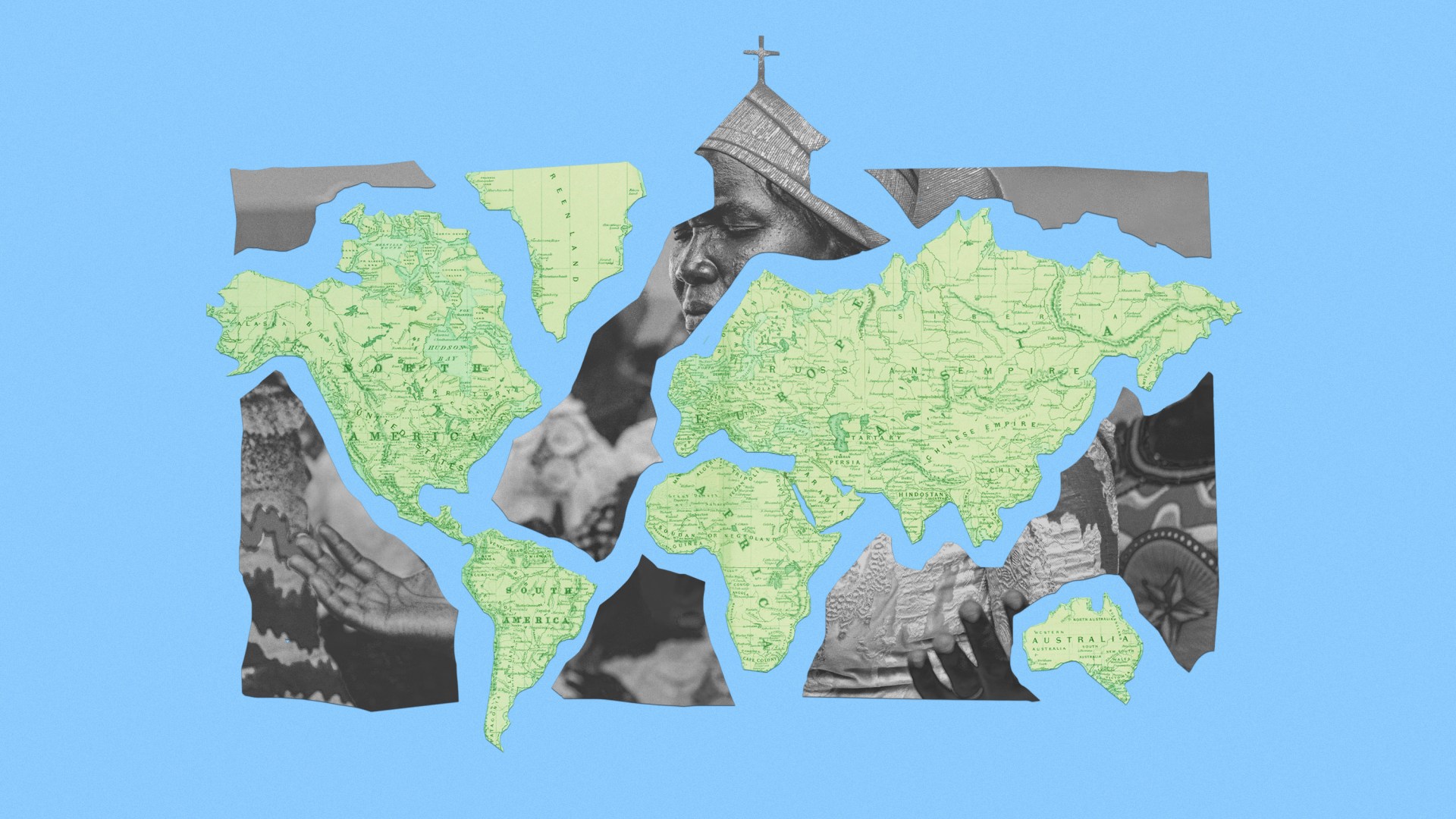
More than 5 million Black immigrants now live in the United States, meaning roughly one in ten Black Americans was born abroad. That number is reshaping the country's churches in ways that are only beginning to be understood.
African immigrants are the fastest-growing segment of this population. Researchers describe these communities as highly religious, theologically conservative, and Bible-centered. Many do not use the word "evangelical" to describe themselves, preferring denominational labels like "Pentecostal" or "Haitian Baptist Church."
The history of Black Christianity in America has always included people who brought their faith with them. Enslaved Africans from the Kingdom of Kongo arrived in South Carolina with Catholic roots three centuries ago. West Indian immigrants in the 18th and 19th centuries joined and sometimes founded Black denominations.
Immigration law changes in the 1960s, following the Civil Rights Movement, opened the door to larger waves of Black immigrants. That flow has grown steadily since.
Today, as immigrants and their children integrate into American life, they are joining and leading congregations across the country, including traditional Black church denominations like the Church of God in Christ and AME Zion.
By 2060, researchers project that 9.5 million Black immigrants will be living in the United States. That growth is expected to increase ethnic diversity within major Black denominations, both in the U.S. and internationally.
Christianity Today reported on April 17, 2026, that this growing population is challenging popular notions of American evangelicalism, introducing traditions and perspectives that many American-born Christians have not encountered before.