California SB 942 Now Requires AI Providers to Watermark Generated Content
California's AI Transparency Act, SB 942, became operative on August 2, 2026, requiring large generative AI providers to embed machine-readable watermarks in AI-generated images, video, and audio. Companies with more than one million monthly users must also offer free public tools for detecting AI-generated content.
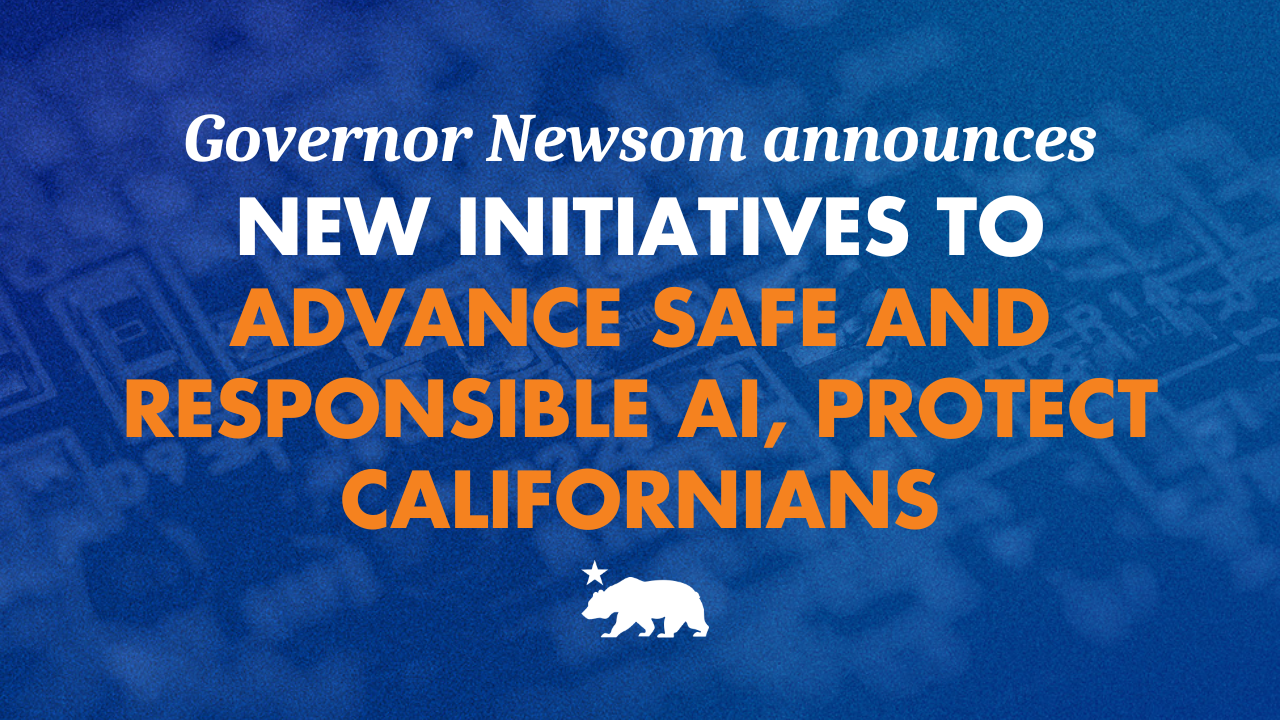
California's AI Transparency Act, known as SB 942, became operative on August 2, 2026, after a delay from its original January 1, 2026, start date. The law applies to large generative AI providers and sets new requirements for how AI-generated content must be labeled and disclosed.
The law covers companies that create or produce a generative AI system publicly accessible in California with more than one million monthly visitors or users.
Under the law, covered providers must embed machine-readable watermarks in AI-generated images, video, and audio. These watermarks must include the provider's name, the system's name and version, the date and time of creation, and a unique identifier, where technically feasible.
Providers must also offer a free, publicly accessible tool that allows users to check whether content was created or altered by their AI system. The tool must support an API and allow for URL-based content assessment.
Users must be given the option to include a clear, visible label identifying content as AI-generated.
If a covered provider licenses its system to a third party, it must require the licensee to maintain these disclosure capabilities by contract. If a licensee modifies the system to bypass the requirements, the provider must revoke the license within 96 hours.
Violations carry a civil penalty of 5,000 dollars per violation, with each day of non-compliance treated as a separate violation. The state attorney general, city attorneys, and county counsel can bring enforcement actions.
The law does not apply to products or services providing exclusively non-user-generated video games, movies, television, streaming, or interactive experiences.