Church Attendance in the US Rises for First Time in 25 Years, New Study Finds
A new report from the Hartford Institute for Religion Research found that median in-person church attendance rose to 70 adults in late 2025, up from a COVID-era low of 45. Researchers say the growth reflects adaptation and experimentation by congregations, not just a post-pandemic bounce.
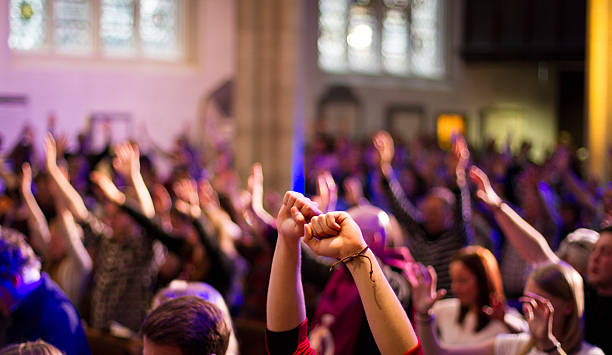
Church attendance in the United States has increased for the first time in 25 years, according to a new report from the Hartford Institute for Religion Research. The study surveyed 7,453 congregations between September and December 2025.
Median in-person attendance rose to 70 adults, up from a COVID-era low of 45. That figure is still well below the 137 recorded in 2000, but researchers say the direction of the trend is significant.
The report describes the growth not as a simple recovery but as the result of "adaptation and experimentation" by congregations that changed how they operate, reach people, and serve their communities.
Clergy morale and volunteerism are both up, according to the study. The median congregation income nearly doubled from $120,000 in 2020 to $205,000 in 2025, driven largely by increased online giving.
The data shows clear denominational differences. Catholic and Orthodox congregations reported the highest median attendance. The median evangelical congregation reported 75 worshipers, while the median mainline church reported 50. Conservative Protestant churches are growing, while liberal Protestant churches have continued to lose members.
Geography also matters. Congregations in New England and the Mid-Atlantic experienced the greatest losses. Those in the South, Central, and Mountain regions saw the strongest gains.
Sociologists say the findings challenge the long-standing secularization theory, which predicted a continuous decline in religious participation in modern Western societies.