Discord Cuts Memory Use by 70 Percent on Windows 11 After Dropping Electron for Native Architecture
Discord rolled out a major Windows 11 architecture update that reduces memory consumption by up to 70 percent by replacing its Electron-based client with a native Windows runtime. The update also eliminates the loading screen that appeared at startup. The new client uses under 180MB of RAM even with multiple accounts signed in.
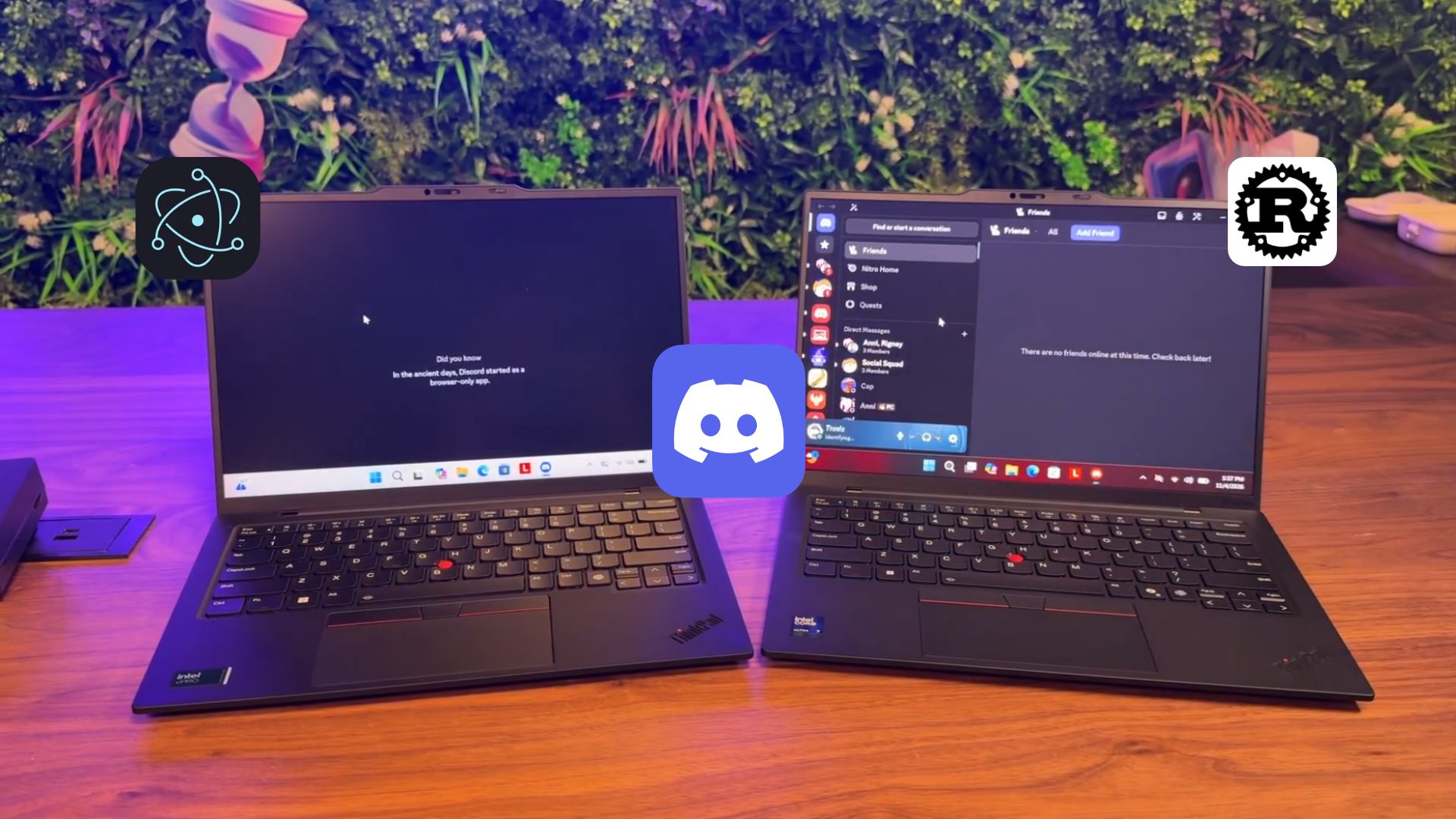
Discord has rolled out a major Windows 11 architecture update that cuts memory consumption by up to 70 percent, replacing its Electron-based desktop client with a native Windows runtime.
The updated client eliminates the loading screen that previously appeared at startup and maintains a memory footprint under 180MB of RAM even with multiple user accounts signed in simultaneously. The previous Electron-based client used over 600MB under similar conditions.
Discord achieved the reduction by integrating native Windows app runtimes and modern web view primitives. The change delivers faster startup times and more responsive performance during voice channel switches and background notifications.
Electron is a framework that lets developers build desktop apps using web technologies. It has been widely criticized for high memory usage because it bundles a full browser engine with each application. Discord, Slack, Microsoft Teams, and Spotify all use or have used Electron for their desktop clients.
Discord's move to a native architecture on Windows 11 is seen as a signal to other Electron-based apps that the performance trade-offs are worth addressing. System architects say the approach provides a blueprint for other apps to reduce their Windows desktop footprint without abandoning cross-platform web codebases entirely.
The update is rolling out to Windows 11 users. Discord has not announced a timeline for similar changes on other operating systems.