Global Microsoft 365 Outage Disrupts Outlook, Teams, and Copilot for Millions
A major global Microsoft 365 outage on November 13, 2026, disrupted Outlook, Teams, and Copilot for millions of users, businesses, and government agencies worldwide. Microsoft traced the issue to infrastructure strain after servers became unexpectedly unavailable, and ruled out any cyberattack. Government agencies in Australia, Singapore, Japan, and the UK were among those affected.
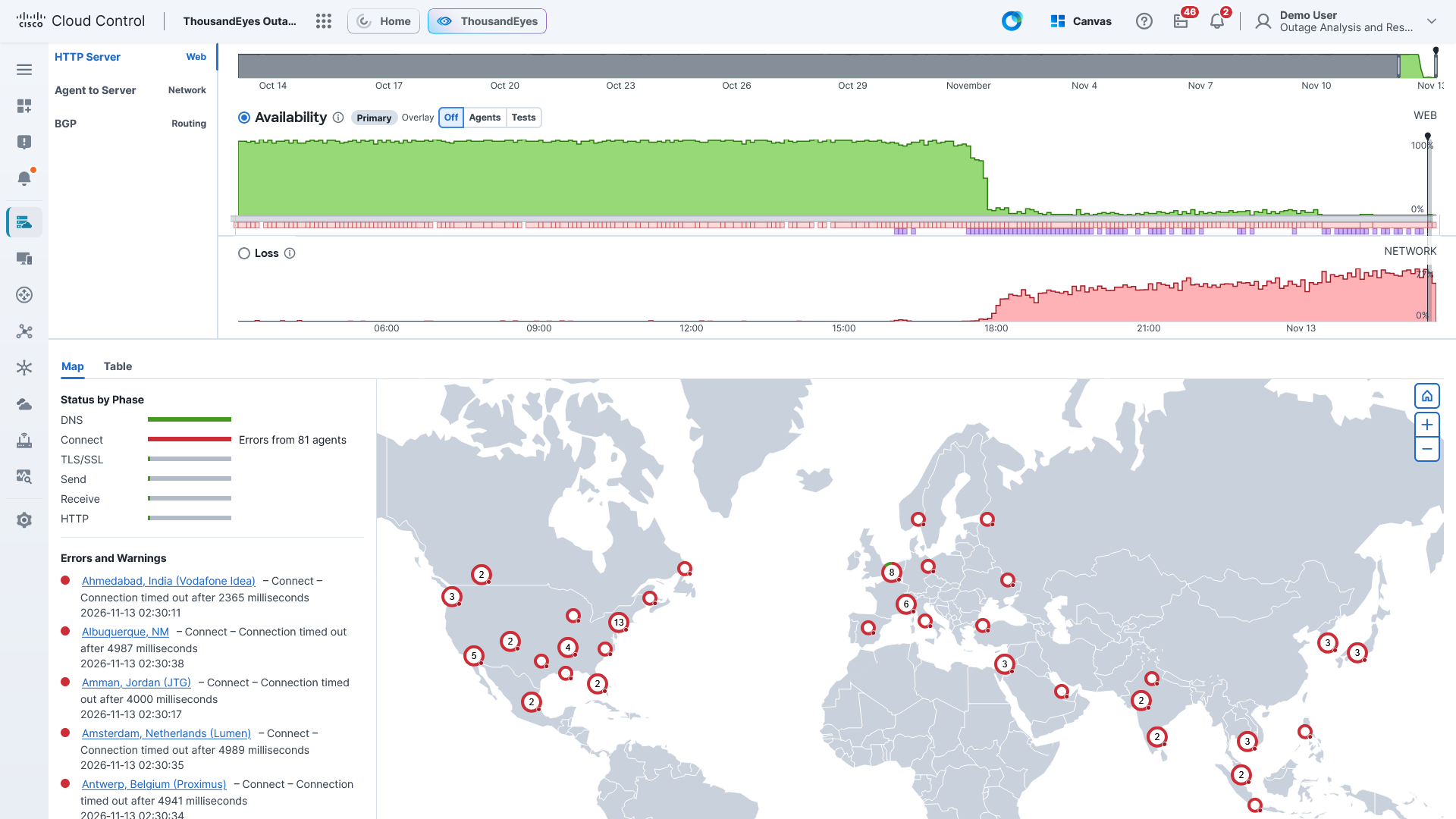
A major global Microsoft 365 outage hit on November 13, 2026, disrupting Outlook, Teams, and Copilot for millions of users, businesses, and government agencies worldwide. Microsoft ruled out any cyberattack, stating there was no indication of malicious activity.
Users experienced widespread connectivity problems with Outlook, rendering them unable to send or receive emails, view calendar details, or access mailboxes via the web and desktop applications. Microsoft extended its email timeout window to 48 hours to protect delayed messages during the disruption. Teams calendar functions also failed, though core messaging and call features remained operational for some users. Copilot faced loading errors and could not access work data like calendars, files, and emails.
Monitoring platforms recorded tens of thousands of reports globally, though the actual number of impacted users was substantially higher. Over 430 million people rely on Microsoft 365 apps globally.
Government agencies worldwide reported disruptions, including inter-ministerial communications in Japan, government offices in Singapore, and elements of Australia's intelligence infrastructure. In the UK, several GP practices and National Health Service operations warned patients of potential communication delays. In India, airline carrier IndiGo reported that email support channels were temporarily disrupted.
Microsoft traced the root cause to an "elevated load" on its infrastructure after a large number of servers became unexpectedly unavailable, forcing excess traffic onto the remaining servers. The company noted that overnight configurations and initial fixes did not take effect as expected.
Engineering teams cycled affected infrastructure through traffic drains, restarts, and remediation. By Friday morning, Microsoft reported early signs of stabilization after applying an upstream authentication and routing configuration patch, while warning that service capacity remained variable as traffic was gradually reintroduced.