Google Cloud and NASA Test AI-Controlled Robots for Deep-Space Missions With 85 Percent Success Rate
Google Cloud and NASA are testing an AI-controlled robotic system designed to assist astronauts during deep-space missions, reporting an 85 percent success rate in laboratory settings. The robots are built to handle tasks autonomously in environments where communication delays make real-time human control impractical. The collaboration was reported by Tech Startups on October 28, 2026.
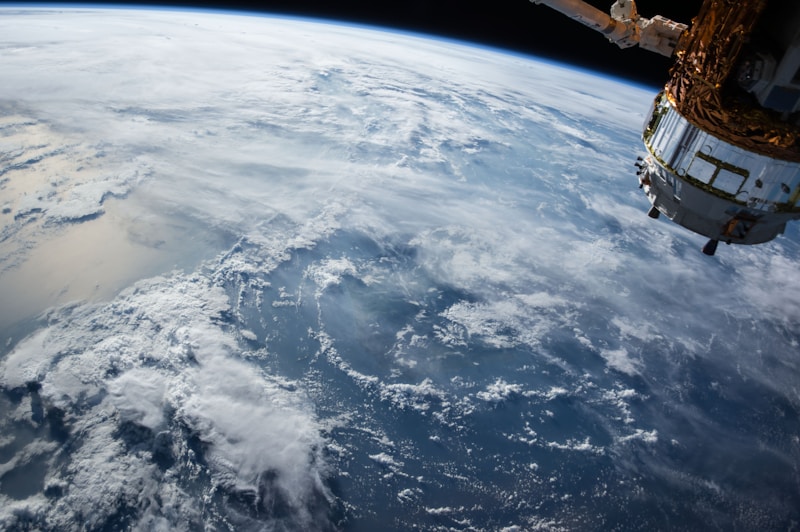
Google Cloud and NASA are testing an AI-controlled robotic system designed to assist astronauts in deep-space missions, with the system achieving an 85 percent success rate in laboratory settings, according to a report from Tech Startups on October 28, 2026.
The robots are built to operate autonomously in environments where the communication delay between Earth and a spacecraft makes real-time human control impractical. In deep space, signals can take minutes or even hours to travel between a spacecraft and mission control, making autonomous systems essential for time-sensitive tasks.
The AI system allows the robots to interpret instructions, adapt to unexpected situations, and complete tasks without waiting for human input. The 85 percent success rate in lab tests represents a significant step toward deploying such systems on actual missions.
Google Cloud is providing the computing infrastructure and AI models that power the robots' decision-making. NASA is contributing mission expertise and testing environments that simulate the conditions astronauts would face in deep space.
The collaboration is part of a broader push to develop autonomous systems for space exploration. NASA has been working on robotic assistants for years, but advances in AI have accelerated the timeline for practical deployment.
Researchers say the robots could eventually handle tasks such as equipment maintenance, sample collection, and emergency response, freeing astronauts to focus on higher-level mission objectives.
The project is still in the testing phase, and no deployment timeline has been announced. But the 85 percent success rate has encouraged both organizations to continue refining the system ahead of future deep-space missions, including planned lunar and Mars expeditions.