Google Reports 37 Percent Jump in Electricity Use as AI Data Centers Expand
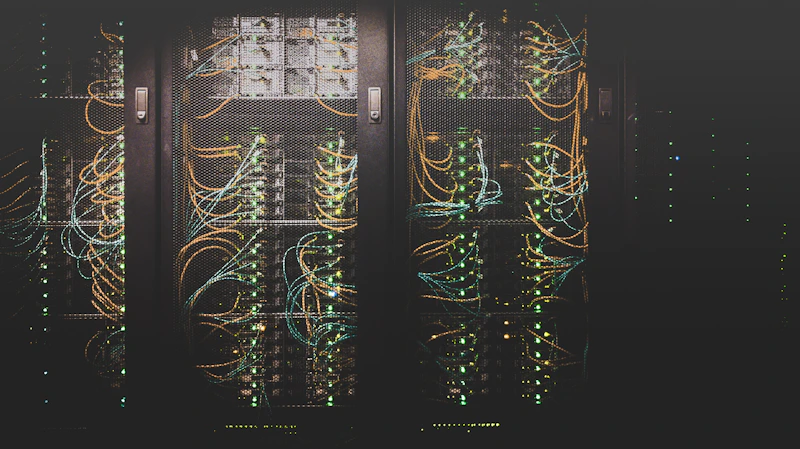
Google reported a 37 percent year-over-year surge in electricity consumption, driven by the rapid expansion of AI data centers. The figure has raised fresh concerns about the energy demands of large-scale AI infrastructure.

Google reported a 37 percent year-over-year increase in electricity consumption in its latest sustainability disclosure, a figure that has drawn attention from energy analysts and policymakers.
The company attributed the surge directly to the expansion of its AI data centers. Training and running large AI models requires enormous amounts of computing power, and that power demand translates into significant electricity use.
National Grid has responded to the broader trend by investing $1.75 billion into Joulent, a U.S. energy platform designed to support AI-linked power infrastructure. The investment signals that utilities are preparing for sustained growth in data center electricity demand.
Blackstone-owned QTS cancelled a major data center project in Virginia this week following years of local opposition over energy consumption and land use. The cancellation highlights the growing tension between data center expansion and community concerns about grid strain.
Microsoft and Lightstorm are moving forward with the I-2SEA undersea cable project, a 3,600-kilometer system designed to support AI and cloud demand across India, Malaysia, and Singapore. The project reflects the global scale of AI infrastructure investment.
Anthropic is in early talks with Samsung to manufacture a custom AI accelerator chip. The move is part of a broader industry trend of AI companies seeking to reduce their dependence on Nvidia for computing hardware.
Nvidia has introduced a "compute now, pay later" revenue-sharing model to help AI startups access GPUs without heavy upfront costs. The program is aimed at early-stage companies that need computing power but cannot afford large capital outlays.
Energy experts say the electricity demands of AI will require significant investment in new generation capacity and grid upgrades over the next decade.