Holy Week in Jerusalem Became a Case Study in Misinformation About Christian Access
Israeli authorities temporarily blocked Catholic Cardinal Pierbattista Pizzaballa from entering the Church of the Holy Sepulchre on Palm Sunday, March 29, citing missile threats from Iran. Images spread on social media with claims that Israel was persecuting Christians. Israeli officials reversed the decision within a day and said all holy sites were closed for safety during the missile alert.
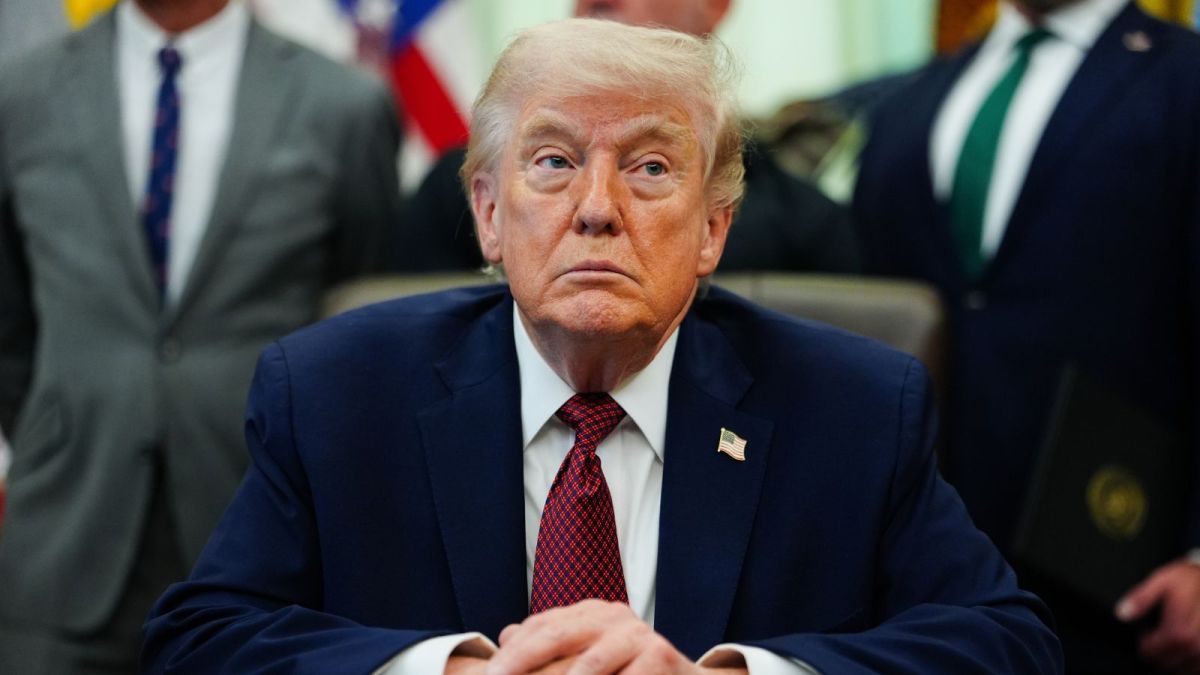
Holy Week in Jerusalem in March 2026 turned into a case study in how misinformation spreads online, after Israeli authorities temporarily blocked a Catholic cardinal from entering the Church of the Holy Sepulchre.
Cardinal Pierbattista Pizzaballa was denied entry on Palm Sunday, March 29, 2026. Israeli Home Front Command had ordered the temporary closure of holy sites in the Old City, including the Western Wall and the Temple Mount, due to missile threats from Iran.
David Pileggi, rector at Christ Church in the Old City, explained that shrapnel from Israeli missile interceptors can fall for several minutes after a strike. The Church of the Holy Sepulchre lacked a proper bomb shelter, so only resident priests were allowed inside during the alert.
Images of the cardinal's denial spread quickly on social media. Posts claimed Israel was banning and persecuting Christians. Israeli leaders reversed the decision within a day, but the outrage continued online.
Judeo-Christian Zionist Congress President Calev Myers said the cardinal had not obtained proper advance permission from Israeli Police. He also noted that all holy sites were closed for protection, not just Christian ones.
Online advocate Hillel Fuld said the incident showed how quickly false claims spread. "Fake news travels fast," he said, pointing to what he described as "bot farms" funded by countries seeking to undermine Judeo-Christian relations.
Myers noted that Israel is the only country in the Middle East where Christian communities have grown over the past century. Melkite Archbishop Joseph Matta said his Galilee-based church continues to grow despite the ongoing conflict.
New research from Pew found that 60 percent of Americans now view Israel unfavorably, a figure that researchers say has been shaped in part by online narratives.