Illinois Passes Landmark AI Safety Bill Requiring Third-Party Audits of Big Tech
The Illinois General Assembly passed Senate Bill 315 in late May 2026, requiring large AI developers to undergo annual independent third-party safety audits. The bill passed the House 110-0 and the Senate 52-5, with support from OpenAI and Anthropic. Companies with more than $500 million in annual revenue must publish safety frameworks, report critical incidents within 72 hours, and protect whistleblowers. Governor JB Pritzker has indicated he will sign the bill.
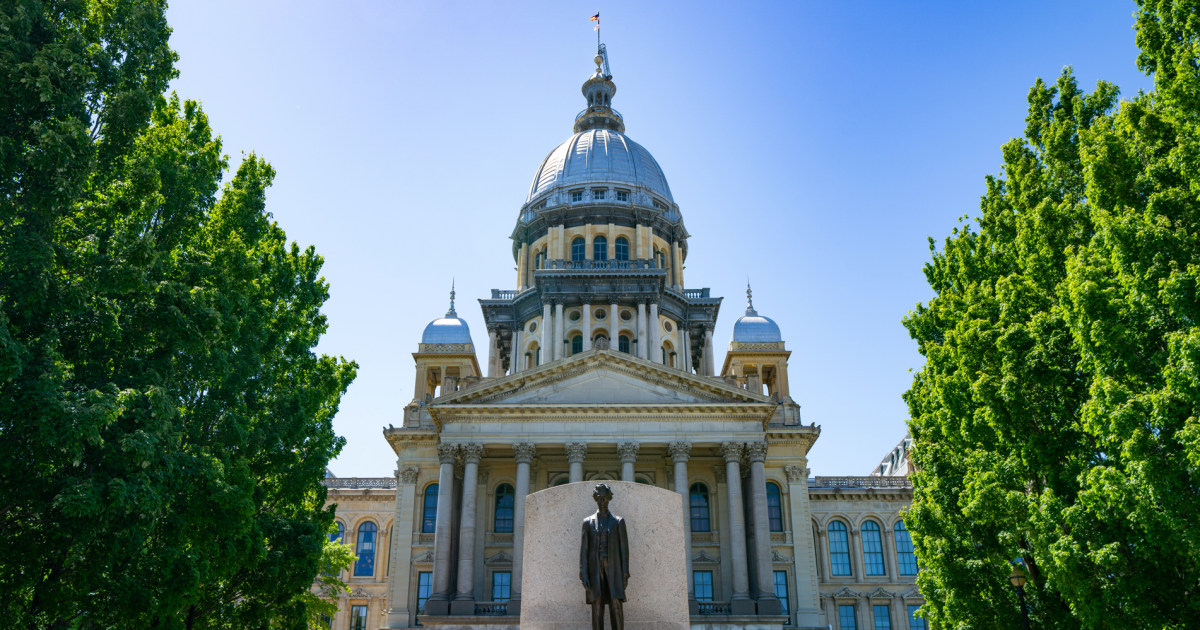
The Illinois General Assembly passed Senate Bill 315 in late May 2026, making Illinois the first state to require annual independent third-party safety audits of large artificial intelligence developers.
The bill passed the Illinois House 110-0 and the Senate 52-5, drawing bipartisan support. Governor JB Pritzker has indicated he will sign the legislation. Its provisions take effect January 1, 2028.
The law applies to AI companies with more than $500 million in annual gross revenue. Those companies must hire independent auditors to verify that they are following their own safety standards. They must also publish explanations of how they measure model capabilities and assess the probability of catastrophic risks.
Companies are required to report "critical safety incidents" to the state within 72 hours of discovery. The bill also prohibits companies from retaliating against employees who report safety concerns to state or federal authorities and requires an anonymous internal reporting process.
The Illinois Attorney General has exclusive authority to enforce the law and can impose civil penalties of up to $3 million per violation.
Major AI labs including OpenAI and Anthropic publicly supported the bill, saying it creates a necessary baseline for safety and accountability. Some trade groups, including the Chamber of Progress and TechNet, opposed it, arguing that the bill could force companies to expose sensitive systems to unqualified auditors.
The legislation comes as the federal government has pulled back on AI oversight. The Trump administration rescinded earlier executive orders on AI governance, citing concerns that regulation could hurt American competitiveness.
Illinois lawmakers said the bill was necessary precisely because of that federal retreat. Representative Daniel Didech, one of the bill's sponsors, said the rapid development of frontier AI models requires state-level action to prevent catastrophic risks.