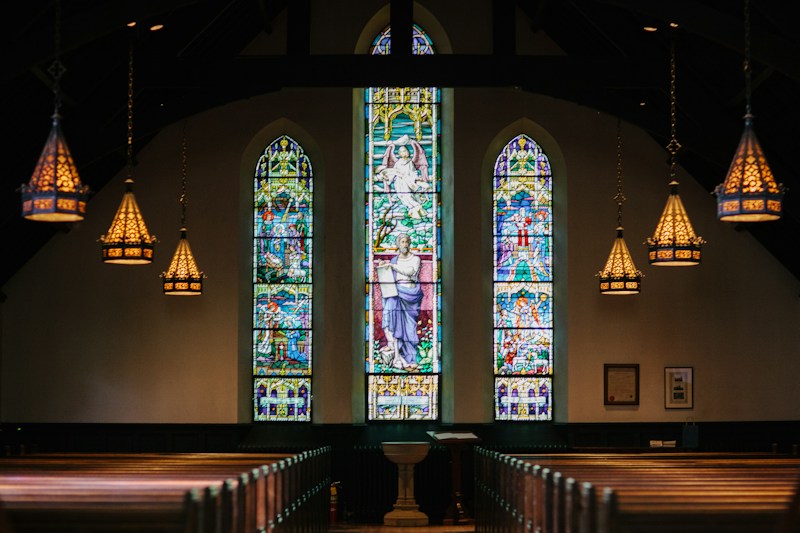
Kingston New York Hosts Black Fourth of July Commemoration at Historic Church
The Old Dutch Church in Kingston, New York, partnered with Harambee Kingston and the Pine Street African Burial Ground to host a "Black Fourth of July" event on July 7, 2026. The gathering used music, poetry, and readings to address historical injustices and reflect on unfulfilled promises of liberty.
The Old Dutch Church in Kingston, New York, opened its doors on July 7, 2026, for a "Black Fourth of July" commemoration that drew community members together for music, poetry, and historical readings.
The event was organized in partnership with Harambee Kingston and the Pine Street African Burial Ground. Organizers said the goal was to create space for honest reflection on the nation's racial history alongside the broader America 250 celebrations.
Participants heard readings about the "unfulfilled promises of liberty" that Black Americans have faced since the country's founding. Poets and musicians performed works that addressed both historical injustice and ongoing community resilience.
The Pine Street African Burial Ground, one of the partners in the event, is a site in Kingston where enslaved and free Black residents were buried during the colonial era. Community advocates have worked for years to preserve and honor the site.
Events like the Kingston commemoration reflect a broader pattern among Black communities during America's 250th anniversary. While some historic Black churches and organizations joined mainstream celebrations, others chose to mark the occasion with programming that centers Black history and experience.
Harambee Kingston, a community organization focused on racial equity and cultural preservation, said the event was not meant to reject the Fourth of July but to expand what the holiday means. Organizers noted that Frederick Douglass delivered his famous 1852 speech asking "What to the Slave is the Fourth of July?" and that the question remains relevant today.
The Old Dutch Church, founded in 1659, is one of the oldest churches in the United States. Its decision to host the event drew attention from local media and community members who saw it as a sign of the congregation's commitment to racial reconciliation.