Meta Cuts 8,000 Jobs as Tech Giants Shift Spending Toward AI Infrastructure
Meta initiated a 10 percent workforce reduction in May 2026, cutting approximately 8,000 jobs as part of an efficiency drive tied to heavy AI investment. The move mirrors similar cuts at Cisco and Block, where companies cited AI-driven efficiencies as a factor. Collectively, the four largest tech companies have signaled roughly $725 billion in capital expenditure for 2026, mostly for AI data centers and chips.
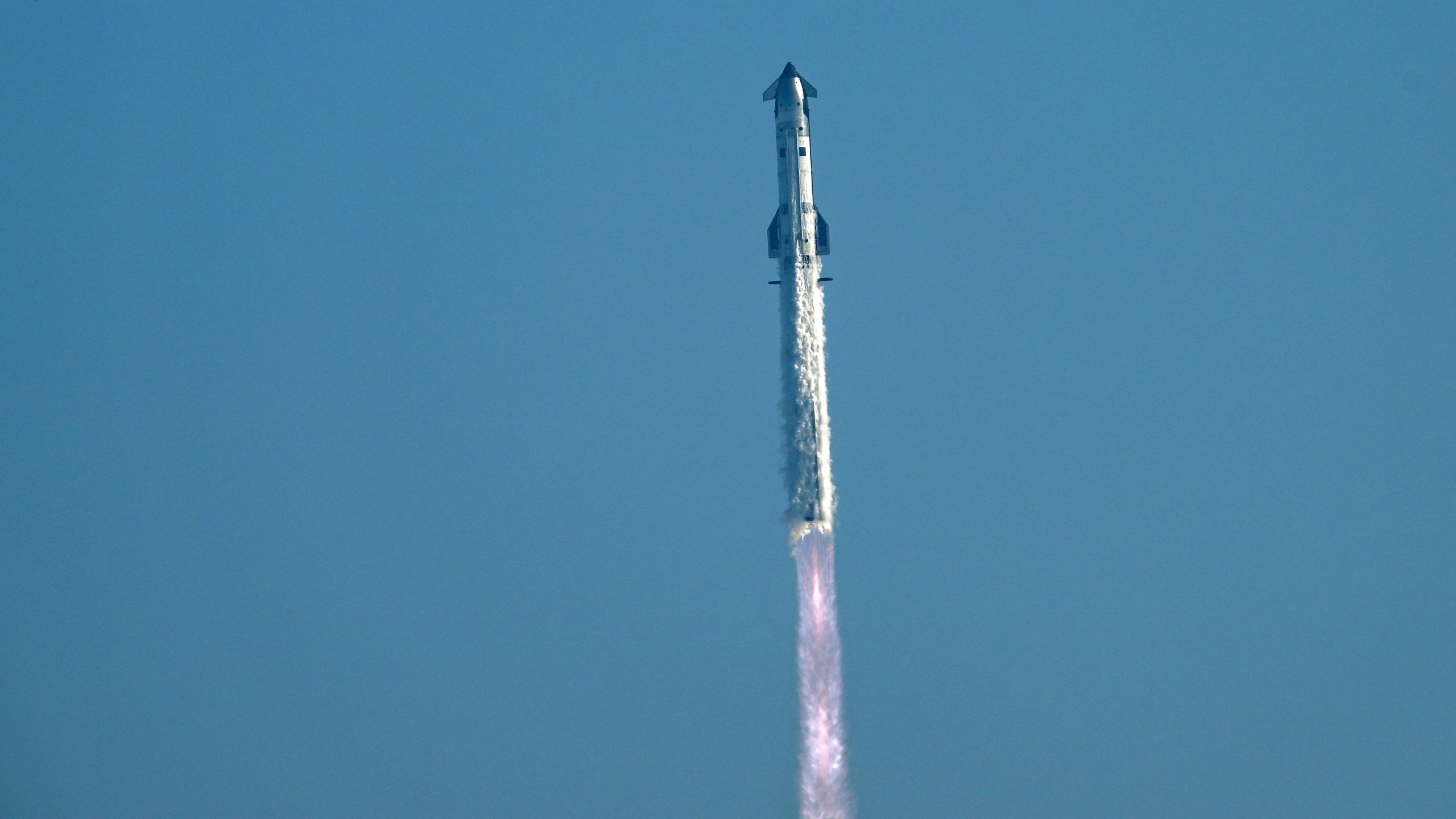
Meta cut approximately 8,000 jobs in May 2026, a 10 percent reduction in its workforce, as the company redirected spending toward artificial intelligence infrastructure and development.
The layoffs are part of a broader pattern across the technology industry. Cisco and Block have also cited AI-driven efficiencies as a factor in recent workforce reductions. Companies say automation and AI tools are allowing them to do more with fewer employees.
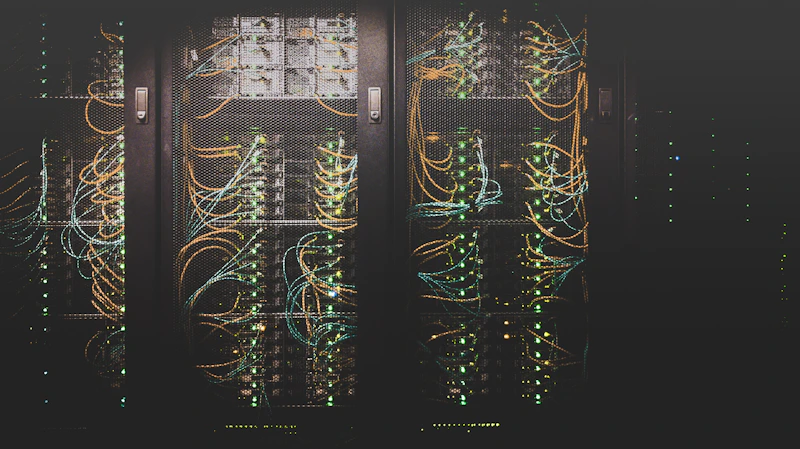
At the same time, spending on AI infrastructure is accelerating. Meta, Amazon, Microsoft, and Alphabet have collectively signaled roughly $725 billion in capital expenditure for 2026, primarily for data centers, custom chips, graphics processing units, and AI model development.
Meta CEO Mark Zuckerberg has described the company's AI push as an existential priority. The company is building large language models, AI assistants, and infrastructure to support its social media platforms and enterprise products.
The job cuts drew criticism from labor advocates and some lawmakers, who argued that companies should not be rewarded for eliminating jobs while posting record profits. Meta's stock rose on the day the layoffs were announced.
Tech Startups reported on the workforce reductions on May 20, 2026, as part of its coverage of the broader AI investment cycle.
The energy demands of AI data centers are also drawing scrutiny. A proposed facility in Utah spanning 40,000 acres and consuming up to 9 gigawatts of power has faced strong local opposition over environmental concerns.
Analysts say the current wave of AI investment is likely to continue through at least 2027, with no sign that major tech companies plan to slow their spending.