National Black Church Initiative Launches Parkinson's Advocacy Group and Vaccine Campaign
The National Black Church Initiative, a coalition of 150,000 African American churches, launched a new Parkinson's patient advocacy organization in April 2026. The group also kicked off a social media campaign promoting vaccines and announced a new YouTube series on marriage.
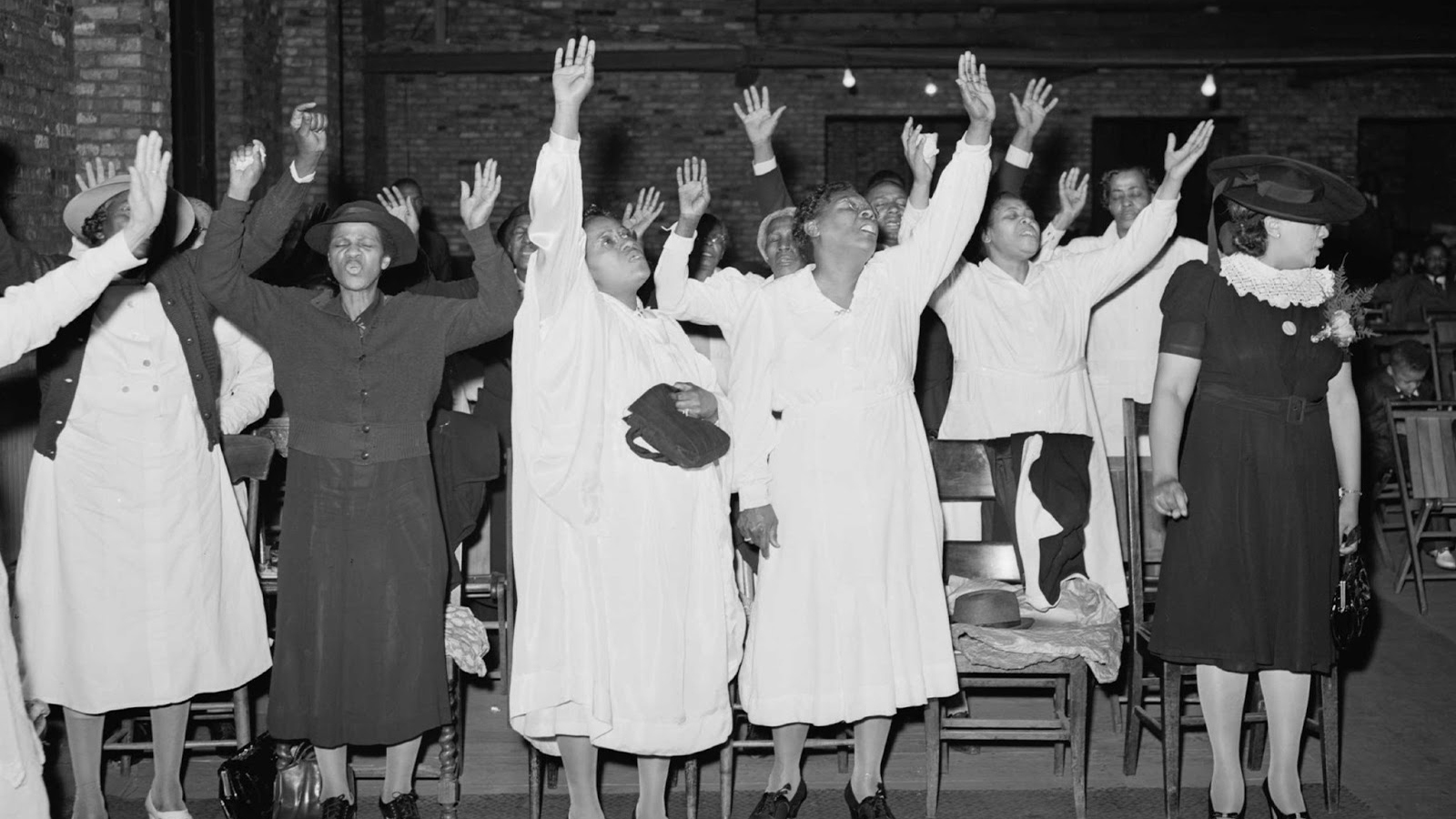
The National Black Church Initiative launched the African American Parkinson's Patient's Advocacy Organization on April 9, 2026. The new group aims to raise awareness about Parkinson's disease in Black communities and connect patients with resources and clinical trials.
NBCI, which represents 150,000 African American churches and 27.7 million members, also launched a Vaccines Are Good for America social media campaign on April 19. The campaign runs across NBCI's platforms and encourages members to stay current on immunizations.
On April 20, the organization began a new YouTube series called Keep Your Wife on Your Team, part of its Marriage Videos initiative. The series addresses relationship health and family stability from a faith perspective.
A Parkinson's Brain Health social media campaign is set to launch on April 25, continuing the organization's focus on neurological health in Black communities.
NBCI has been running a National Clinical Trials Strategic Plan to increase participation from African American and Latino communities in medical research. The organization says Black Americans are historically underrepresented in clinical trials, which affects the quality of care they receive.
Rev. Anthony Evans of NBCI has also called on corporations to reconsider their DEI giving policies and urged the 40 million Americans who stopped attending church to return for Easter service.
The organization's Black Beautiful Babies Campaign, a proposal to address the Black maternal health crisis, remains a priority for 2026. Black women in the United States die from pregnancy-related causes at rates two to three times higher than white women.
NBCI says its programs combine faith-based community networks with science-backed health solutions.