New Book Confronts Christianity's Painful History for Black Americans
Pastor JP Foster of Inglewood, California, has published 'The Gospel and My Black Skin,' a book that addresses how scripture was used to justify racism and why some Black Americans struggle to reconcile their faith with their racial identity.
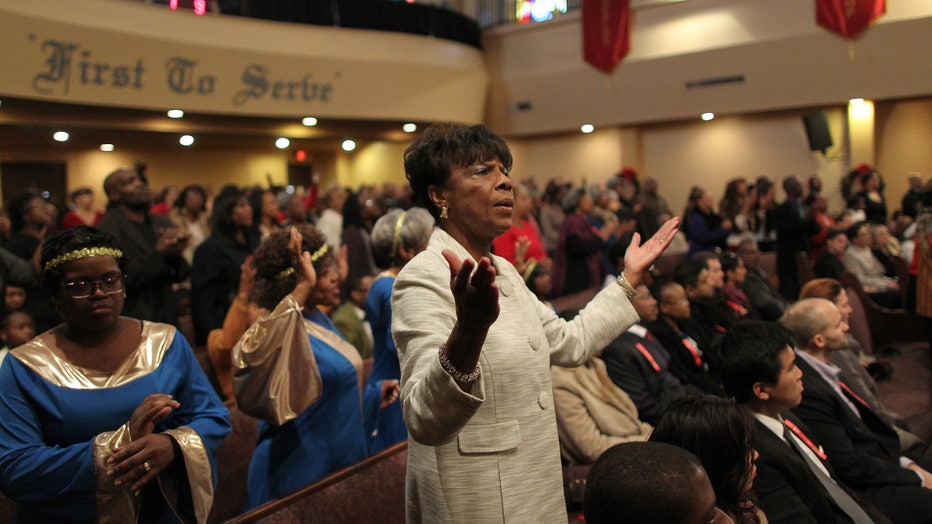
JP Foster, pastor of a predominantly Black church in Inglewood, California, has published a new book that takes on one of the most difficult conversations in American Christianity.
"The Gospel and My Black Skin: Confronting the Past, Reclaiming the Future" examines how scripture was manipulated to justify racism, the religious justifications for white supremacy, and the resistance of Southern evangelicals to the Civil Rights Movement.
Foster argues that the legacy of colonialism, slavery, and Jim Crow stands as one of the biggest obstacles to the gospel in the United States today. The book is his personal, historical, and theological response to that reality.
He pushes back against the belief that Black people first encountered Christianity through slavery, highlighting the long history of Christianity in Africa and the contributions of African theologians like Tertullian, Athanasius, and Augustine, who were often erased from European historical narratives.
The book also traces how Christianity inspired abolitionists and civil rights leaders, arguing the faith is liberatory at its core.
Foster includes personal stories, including his brother joining the Nation of Islam and his experiences with racial reconciliation efforts that fell short. He writes about the disparity in those efforts: "For some, reconciliation was fine as long as it didn't require sacrifice."
For those wrestling with Black identity and Christian faith, Foster's message is direct. "The danger of only seeing the bad news is this: If I let the distortion define my faith, I might miss the real Jesus," he writes. "I might miss the grace that's been chasing me my whole life."
The book was reviewed by Christianity Today's Black church editor, Haleluya Hadero, who noted that Foster's arguments about justice remain somewhat abstract but that the personal and historical sections are compelling.