Palestinian Christians Face Restrictions as Orthodox Easter Arrives in Jerusalem
Palestinian Christian communities marked Orthodox Easter on April 12, 2026, under tight Israeli restrictions on movement from the West Bank. Many worshippers were unable to reach Jerusalem's sacred sites, raising concerns among church leaders about access to holy places during the most important celebration in the Orthodox calendar.
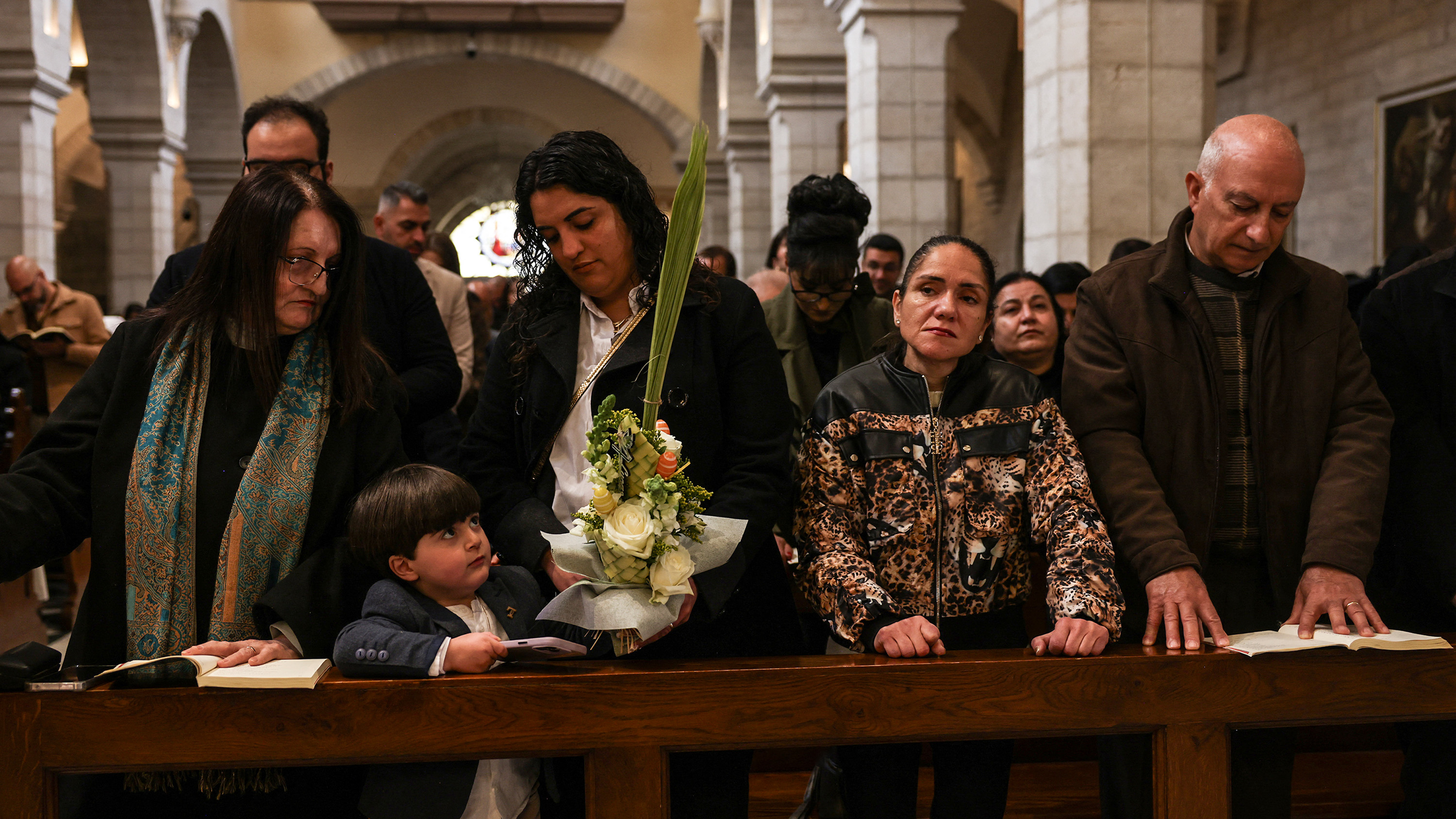
Palestinian Christians gathered to celebrate Orthodox Easter on April 12, 2026, but many faced serious obstacles reaching Jerusalem's Church of the Holy Sepulchre. Israeli authorities restricted movement from the West Bank, limiting the number of Palestinians who could enter the city.
Church leaders from several denominations expressed concern about the situation. The restrictions affected thousands of worshippers who had planned to attend services at sites considered central to the Christian faith.
The Holy Fire ceremony, a centuries-old tradition observed by Orthodox Christians, drew pilgrims from around the world. But Palestinian Christians from Bethlehem, Ramallah, and other West Bank towns reported difficulty obtaining permits to cross checkpoints.
Jordan's government condemned what it described as an Israeli assault on Christians during the Holy Fire celebrations, calling for international attention to the issue.
The situation reflects ongoing tensions over access to Jerusalem's religious sites. Palestinian Christian leaders have repeatedly called on international bodies to protect the rights of worshippers to reach holy places without restriction.
Pope Leo XIV, in his Easter address, urged world leaders to pursue peace and protect the rights of all people to practice their faith freely. He did not name specific conflicts but called for dialogue and respect for religious communities.
The Orthodox Easter celebration, which falls later than Western Easter due to differences in the Julian and Gregorian calendars, drew global attention this year because of the access disputes.