Pentagon Reverses LDS Religious Classification After Outcry From Utah Lawmakers
The Pentagon reversed a decision that had placed the Church of Jesus Christ of Latter-day Saints under a broad 'Other' category after reducing its list of recognized military religious affiliations from over 200 to 31. Senators Mike Lee and John Curtis pushed back, arguing the classification was theologically inaccurate. The Pentagon added 'Christian' to the LDS designation by June 7, 2026.
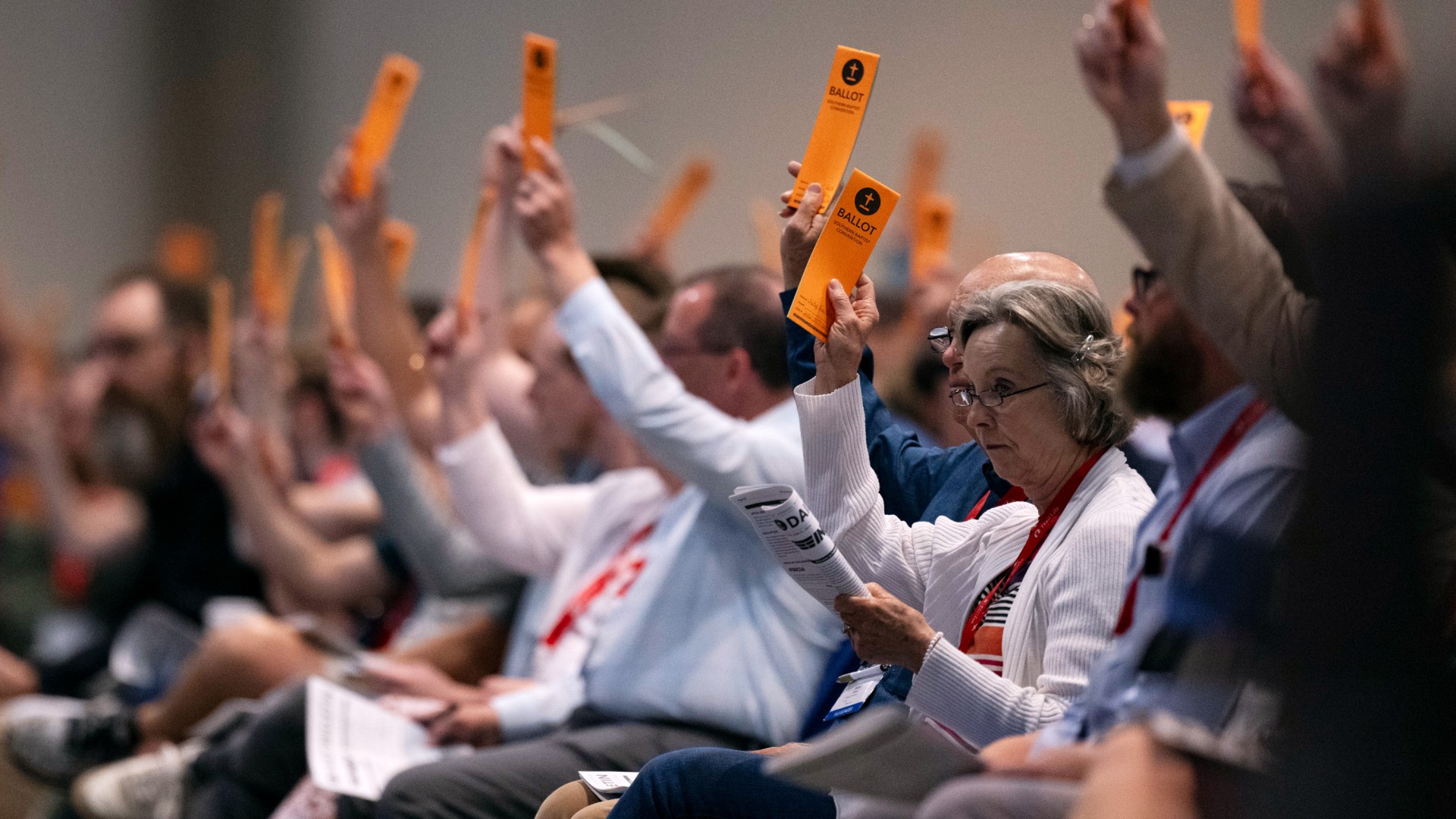
The Pentagon reversed a decision that had placed the Church of Jesus Christ of Latter-day Saints under a broad "Other" category after reducing its list of recognized military religious affiliations from over 200 to 31.
Defense Secretary Pete Hegseth's office streamlined the military's religious affiliation codes in early June 2026, reducing them from more than 200 to 31 categories. The administrative change resulted in the LDS Church being initially categorized under a general "Other" label rather than a "Christian" designation.
The decision drew immediate criticism from LDS members and lawmakers, including Senators Mike Lee and John Curtis of Utah, who argued the classification was theologically inaccurate and dismissive of the faith's identity.
"This is not a minor administrative matter," Senator Lee said. "The Church of Jesus Christ of Latter-day Saints is a Christian faith, and our service members deserve to have their religious identity accurately recorded."
By June 7 to 8, 2026, the Pentagon reversed course, adding "Christian" to the LDS designation in the updated classification system.
The incident prompted broader discussions within Christian circles about the role of government in adjudicating theological boundaries. Some commentators noted that the original classification reflected a lack of familiarity with LDS theology within the Defense Department.
The LDS Church has approximately 17 million members worldwide and a significant presence in the U.S. military. Utah has one of the highest rates of military service per capita of any state.
The episode also raised questions about the broader reduction in recognized religious categories, with some chaplains and advocacy groups arguing that the streamlined list fails to adequately represent the diversity of religious traditions practiced by U.S. service members.