Praise Teams Are Replacing Black Church Choirs
Smaller praise teams are taking the place of traditional choirs in many Black churches. The shift accelerated during the COVID-19 pandemic and has continued as congregations adapt to changing musical preferences and logistical pressures.
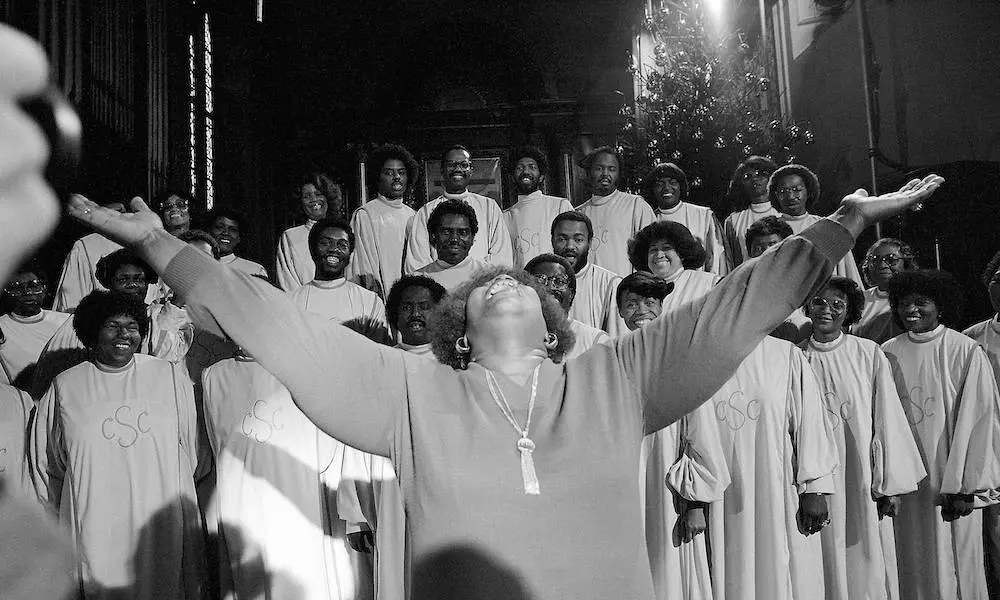
The traditional Black church choir is disappearing from many congregations, replaced by smaller praise teams that are easier to manage and more flexible in style.
The shift has been building for years, but the COVID-19 pandemic accelerated it. When churches shut down, choirs disbanded. Many never came back to their original size. Some did not come back at all.
Praise teams, typically six to ten singers, have filled the gap. They require fewer rehearsals, work well with pre-recorded tracks, and fit the contemporary gospel sound that many younger churchgoers prefer.
Kelsey Kramer McGinnis, writing for Christianity Today in July 2026, found that the change is not just logistical. It reflects a deeper shift in how Black churches approach worship. The large choir, with its complex harmonies and call-and-response traditions, was a cultural institution as much as a musical one. Praise teams offer something different: a more intimate, concert-style experience.
Not everyone is comfortable with the change. Some musicians and worship leaders argue that the choir tradition carries a history that cannot be replicated by a small ensemble. Gospel music grew out of the Black church experience, and the choir was central to that.
Preservation efforts are underway in academic and community settings. University gospel choirs and community ensembles are keeping the tradition alive outside the local church. International interest in Black gospel music has also grown, with choirs in Europe dedicated to learning the history and technique.
Whether the choir returns to its central place in Black church worship is uncertain. What is clear is that the form of worship is changing, even as the faith behind it remains.