Pro-Life Movement Faces Growing Internal Divide Over Abortion Liability
The pro-life movement is splitting over whether women who have abortions should face homicide charges. Abortion abolitionists back the idea; traditional pro-life groups reject it. The debate is reshaping strategy heading into state legislative sessions.
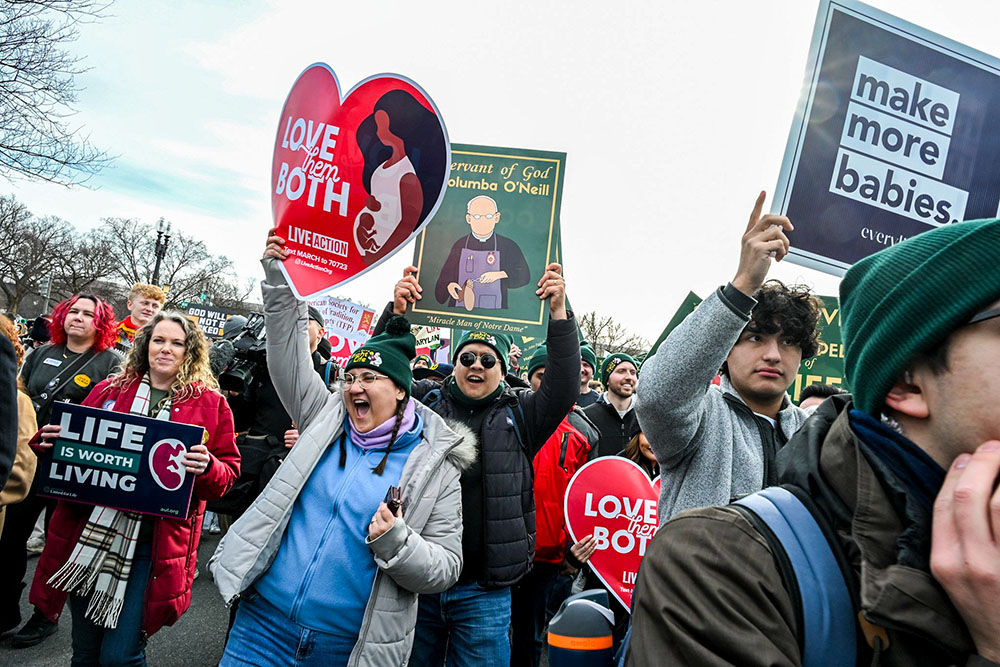
The pro-life movement is dividing over a question that once seemed settled: should women who have abortions be charged with homicide?
Abortion abolitionists say yes. They argue that if abortion is murder, the law should treat it as such, including holding the woman responsible. Traditional pro-life organizations disagree. They have long focused on holding abortion providers accountable while treating women as secondary victims.
The split is not new, but it has grown sharper in 2026 as state legislatures consider stricter abortion laws following the Dobbs decision. Several abolitionist-backed bills have been introduced in Southern states that would remove the standard exemption protecting women from prosecution.
Daniel K. Williams, a historian who has tracked the movement for years, wrote in Christianity Today on July 20 that the divide reflects deeper disagreements about the moral and legal status of the woman in an unwanted pregnancy. He argues the two camps have fundamentally different views of culpability.
Major pro-life groups, including Susan B. Anthony Pro-Life America, have pushed back against the abolitionist position. They say prosecuting women would alienate public support and undermine the broader goal of protecting unborn life.
State-level battles are expected to intensify in the coming months. Abolitionists have organized in Texas, Oklahoma, and Louisiana, where they believe they have the best chance of passing legislation that includes criminal penalties for women.
The outcome of these fights could reshape the movement for years. If abolitionist bills pass, they will face immediate legal challenges. If they fail, the internal debate is unlikely to go away.