SpaceX Catches Starship Upper Stage After Return From Orbit in Flight 15 Milestone
SpaceX caught the Starship upper stage using the Mechazilla launch tower arms on November 14, 2026, after the vehicle returned from orbit during Flight 15. It was the first time a Starship upper stage had been caught after a spaceflight. The Super Heavy booster was lost when an automated abort sent it into the Gulf of Mexico.
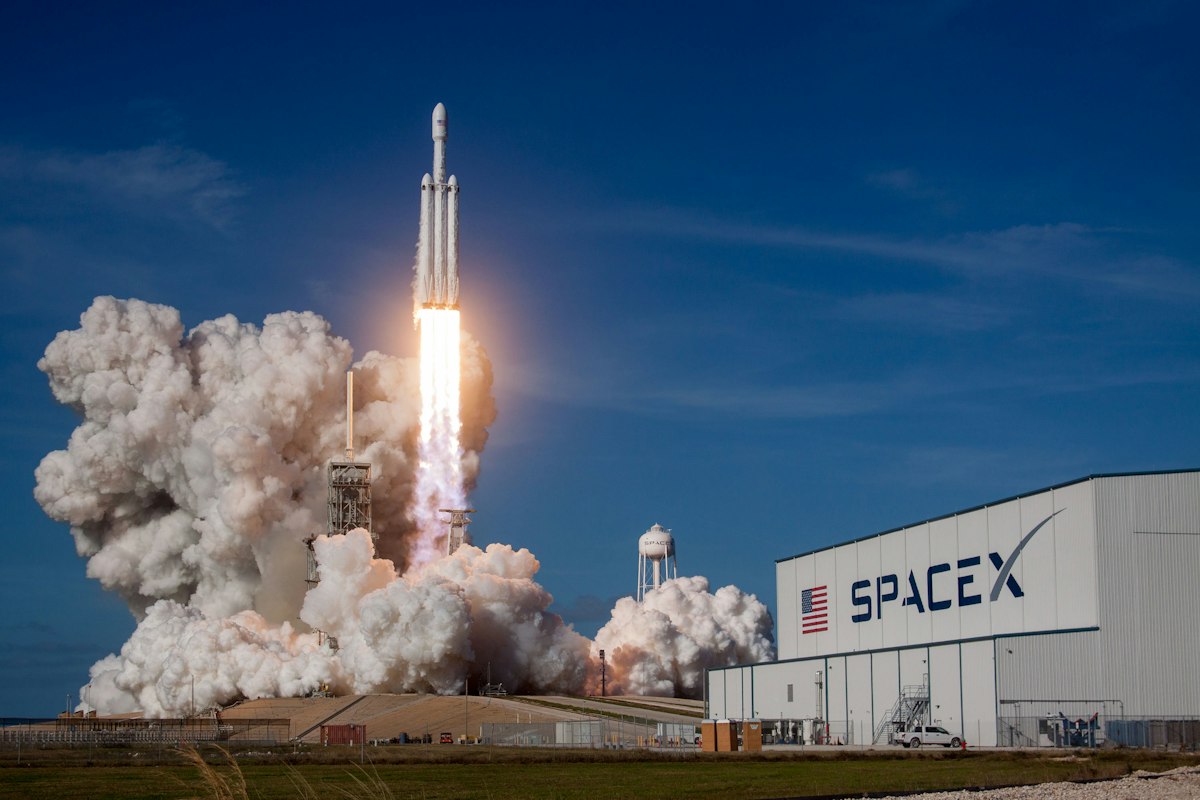
SpaceX caught the Starship upper stage using the mechanical arms of its Mechazilla launch tower on November 14, 2026, marking the first time the company had recovered the upper portion of the rocket after a spaceflight.
The catch came during Starship's 15th test flight, which launched from Starbase, Texas, on November 13. The mission aimed to recover both the Super Heavy booster and the Starship upper stage, known as Ship 42, in what would have been a simultaneous "double catch."
The booster did not make it back. During its planned boostback burn, the vehicle experienced a low fuel mass condition that caused the burn to end early. The guidance system triggered an automated abort, diverting the booster to an offshore location in the Gulf of Mexico, where it was destroyed.
Ship 42 continued to orbit, where it deployed 26 Starlink V3 satellites. The vehicle spent approximately 22.5 hours in space before initiating its return. On November 14, it performed a deorbit burn, re-entered the atmosphere, and descended into the Mechazilla arms at Starbase.
SpaceX described the upper stage catch as the "holy grail of spaceflight." Recovering the upper stage is critical to the company's goal of full, rapid reusability. The upper stage is the more expensive and complex part of the rocket system.
The company's long-term plans include using Starship for lunar missions under NASA's Artemis program, building large satellite constellations, and eventually transporting people to Mars. Rapid reusability is central to making those missions economically viable.
SpaceX said it will review data from Flight 15 before setting a date for the next test.