Top 12 Tech Innovations and Trends in 2025
Tech innovations go beyond basic improvements to create new ways to solve business problems. Key technologies include AI and machine learning, extended reality, blockchain, IoT, quantum computing, edge computing, 5G connectivity, and cybersecurity mesh architecture.

Tech innovations are breakthrough technologies that fundamentally change how businesses operate, compete, or deliver value to customers. They represent approach shifts that create new possibilities and business models, going beyond incremental improvements to existing tools.
Tech innovations deliver measurable value when implemented strategically:
1. Operational Efficiency: Automation reduces manual work while AI optimizes complex processes like supply chain management and resource allocation.
2. Competitive Advantage: New technologies help you launch products faster and offer customer experiences that competitors can't match yet.
3. Customer Experience: Real-time support through chatbots and personalized recommendations based on customer data create better service.
4. Data-Driven Decisions: IoT sensors and analytics platforms give you accurate information to make quick strategic adjustments.
5. Scalability: Cloud systems and modular software grow with your business without major infrastructure overhauls.
6. Risk Mitigation: Advanced cybersecurity and blockchain technology protect your data and create tamper-proof records.
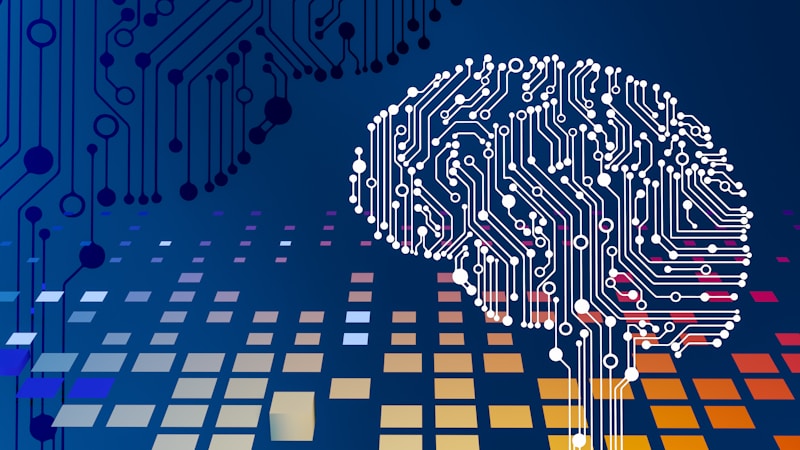
Artificial Intelligence and Machine Learning: AI evolved from experimental chatbots to systems that learn continuously from real business data. Netflix uses ML algorithms to analyze viewing habits and recommend content, driving engagement and data-driven production decisions.
Extended Reality (XR): XR technologies like AR/VR focus on practical workplace applications, reducing training costs and travel expenses. Boeing uses VR for aircraft maintenance training, reducing training time and improving retention.
Blockchain Technology: Now focused on practical applications like document verification and product authenticity tracking. Walmart uses blockchain to trace food contamination sources in seconds.
Internet of Things (IoT): IoT now targets specific operational problems rather than general connectivity. Rolls-Royce uses IoT sensors for predictive aircraft engine maintenance.
Quantum Computing: Solving complex problems in finance, drug discovery, and cryptographic security. IBM's quantum computing helps pharmaceutical companies simulate molecular interactions.
Edge Computing: Processes data closer to its source, enabling real-time decision-making. Tesla's Autopilot processes sensor data locally for autonomous driving safety.
5G and Advanced Connectivity: Enables critical applications like remote mining operations and autonomous systems. Ericsson's 5G controls mining equipment remotely in Sweden.
Cybersecurity Mesh Architecture: Protects individual users and devices rather than network boundaries. Microsoft's Zero Trust security reduces incidents and improves threat response.
These technologies are transforming industries by providing practical solutions to real business challenges, from operational efficiency to customer experience enhancement.