Uber Invests $10 Billion in Robotaxis as AI Drives Autonomous Vehicle Push
Uber announced a $10 billion investment in robotaxi technology to reduce its reliance on human drivers and reshape ride-hailing economics. The move comes as AI infrastructure investment hits record levels, with GPU rental costs rising 48 percent in two months. Analysts say autonomous vehicles are becoming a strategic priority after years of skepticism.
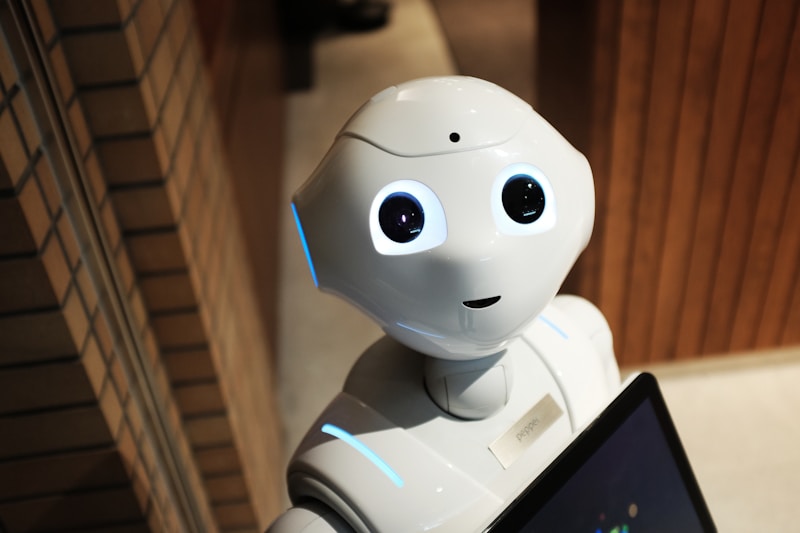
Uber announced a $10 billion investment in robotaxi technology this month, aiming to reduce its reliance on human drivers and reshape the economics of ride-hailing.
The company said the investment will go toward developing and deploying autonomous vehicles across its platform. Uber has previously partnered with self-driving companies including Waymo and Aurora, and the new investment signals a deeper commitment to building its own autonomous capabilities.
The announcement comes as AI infrastructure investment reaches record levels across the technology industry. The cost of renting an Nvidia Blackwell GPU has risen 48 percent in two months, reaching approximately $4.08 per hour, reflecting demand that still outpaces supply.
ASML, a key supplier for advanced chipmaking, raised its 2026 outlook this week, saying customers are accelerating expansion plans driven by AI demand. TSMC, the world's leading advanced chip manufacturer, is spending significantly above historical levels to meet orders for servers, AI systems, smartphones, and PCs.
UBS analyst John Talbott valued Nvidia at $22 trillion, projecting it as potentially the world's first company to reach that milestone, based on continued AI dominance and accelerating demand for GPUs.
More than half of planned U.S. data center builds have been delayed or canceled due to supply shortages, power constraints, and reliance on Chinese imports for components. U.S. utilities are preparing for an estimated $1.4 trillion spending wave over the next five years to meet electricity demand from AI data centers.
NASA's Artemis II mission successfully launched four astronauts to the Moon on April 1, marking a significant milestone in human spaceflight and adding to a busy month for technology news.