West Virginia Supreme Court Blocks 33 Churches From Leaving the United Methodist Church
The Supreme Court of Appeals of West Virginia ruled on November 8 that 33 congregations cannot pursue a lawsuit to leave the United Methodist Church. The court found the dispute is an ecclesiastical matter that secular courts must not decide. The churches had tried to disaffiliate after the UMC removed its ban on gay marriage and ordination in 2024.
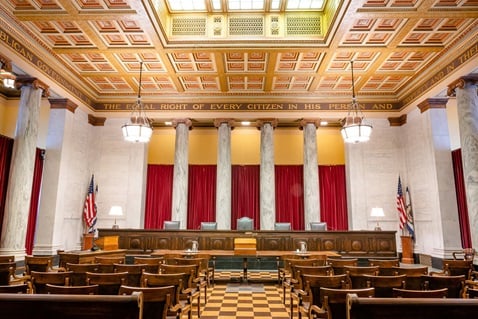
The Supreme Court of Appeals of West Virginia has blocked a lawsuit from 33 congregations trying to leave the United Methodist Church.
The court issued its decision on November 8, 2026, in a case involving the West Virginia Conference of the UMC and local churches in Mercer County. Justice Charles S. Trump IV wrote the opinion, finding that the dispute is an ecclesiastical matter and that secular courts must stay out of it.
"Civil courts must refrain from deciding disputes that require them to interpret or resolve matters of religious doctrine, church discipline, internal governance, the qualifications or conduct of church members or leaders when those questions are committed to the church's own ecclesiastical authority," Trump wrote.
The court granted the UMC West Virginia Conference trustees a writ of prohibition, stopping the Mercer County Circuit Court from reopening the churches' lawsuit.
The 33 congregations filed suit in 2024 after the UMC voted to remove its prohibitions on gay marriage and ordination. The churches alleged the conference had told them they could leave with their properties after General Conference changed the rules. Their complaint accused the regional body of fraud, breach of fiduciary duty, breach of contract, and conspiracy.
The UMC has seen significant departures in recent years. From 2019 to 2023, more than 7,600 mostly theologically conservative churches successfully disaffiliated through a process the denomination created. That included 24 congregations in West Virginia. The 33 churches in this case tried to leave after that window closed.
The court's ruling means the churches must resolve their dispute through the UMC's internal processes rather than the civil court system.