WHO Declares Ebola Outbreak in Congo and Uganda a Global Health Emergency
The World Health Organization declared the Ebola outbreak in the Democratic Republic of Congo and Uganda a public health emergency of international concern on May 17, 2026. The outbreak involves the Bundibugyo strain, for which no approved vaccines or treatments exist. At least 80 people have died and 246 cases have been confirmed in DRC's Ituri province. Faith-based health workers and church-run clinics in the region are on high alert.
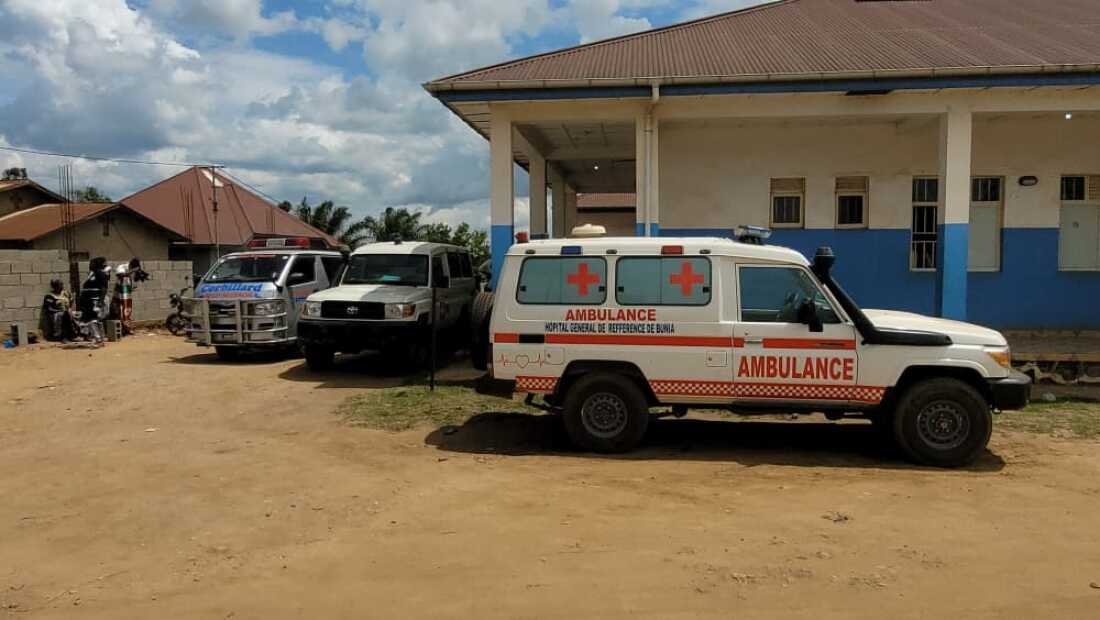
The World Health Organization declared the Ebola outbreak in the Democratic Republic of Congo and Uganda a public health emergency of international concern on May 17, 2026.
WHO Director-General Dr. Tedros Adhanom Ghebreyesus made the decision before convening a formal emergency committee, a sign of how serious the situation has become.
The outbreak involves the Bundibugyo virus, one of three strains that cause Ebola virus disease. It is the least common strain, and no approved vaccines or treatments exist for it.
At least 80 people have died and 246 cases have been confirmed in DRC's Ituri province, which borders Uganda and South Sudan. Two cases, including one death, were reported in Uganda's capital, Kampala. Another case was confirmed in Kinshasa, DRC's capital.
The first known case was a nurse who fell ill on April 24. Church-run clinics and faith-based health workers in the region are on high alert. Many rural communities in Ituri rely on mission hospitals and Christian health networks for care.
Africa CDC Director General Dr. Jean Kaseya urged basic infection control measures, including gloves and handwashing. He acknowledged that many informal health facilities in the region have limited supplies.
The U.S. Embassy in Juba, South Sudan, issued a health alert advising against travel to Ituri Province. The province is about 250 miles from Juba.
WHO expressed concern about the true scale of the outbreak, noting that signs suggest a potentially much larger spread. Ongoing conflict in Ituri has displaced populations and created dense living conditions in urban areas, raising transmission risk.