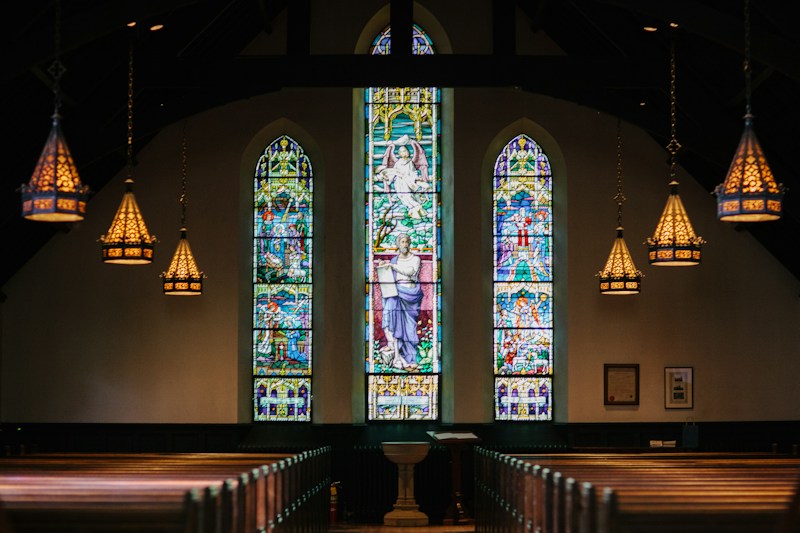
African American Cultural Heritage Fund Awards $13.5 Million to Preserve Historic Black Churches
The African American Cultural Heritage Action Fund has awarded $13.5 million in grants to 33 historically Black churches across the United States, marking the largest single-year investment in the preservation of these sacred spaces. The funding will support capital projects, endowment building, and organizational capacity for churches that have served as anchors of Black faith, culture, and community for generations. Notable recipients include Sixteenth Street Baptist Church in Birmingham and Ebenezer Baptist Church in Atlanta.
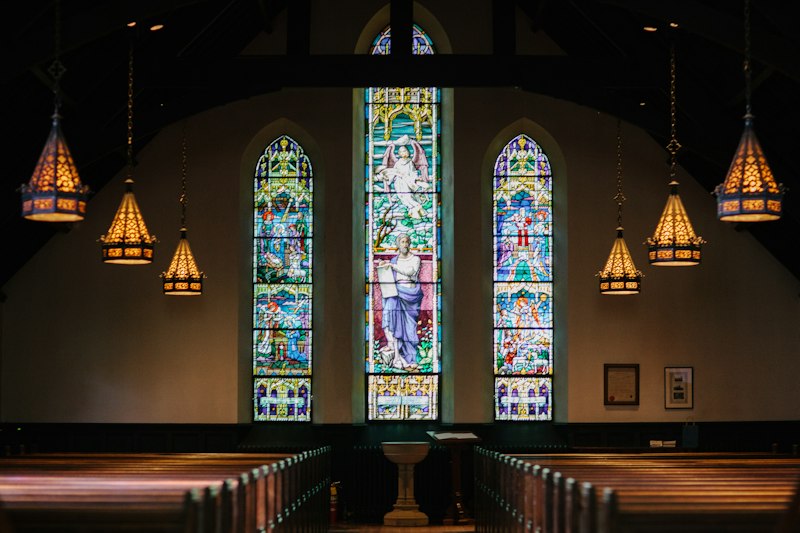
The African American Cultural Heritage Action Fund, a division of the National Trust for Historic Preservation, has announced a historic $13.5 million investment in the preservation of historically Black churches across the United States. The funding, distributed through the fourth annual Preserving Black Churches program, will support 33 churches in their efforts to maintain, restore, and sustain these vital community institutions. The grants cover a wide range of needs, including capital projects for structural repairs and restoration, endowment building for long-term financial sustainability, organizational capacity building, and programming that celebrates the rich cultural and spiritual heritage of these congregations. Among the notable recipients are Sixteenth Street Baptist Church in Birmingham, Alabama, which received funding for organizational capacity building and a preservation endowment. The church, a symbol of the Civil Rights Movement, was the site of the 1963 bombing that killed four young girls. Ebenezer Baptist Church in Atlanta, Georgia, where the Rev. Martin Luther King Jr. Was baptized and preached, received funding for an interpretive and educational tour program. Other recipients include University AME Zion Church in Palo Alto, California, the oldest continuously operating historically Black church in Silicon Valley, and Shorter AME Church in Denver, Colorado, established in 1868 as the state's first Black Methodist church. Fund leaders emphasized that these churches are not merely historic buildings but living institutions that continue to serve as anchors of Black faith, culture, democracy, and community. The investment reflects a growing recognition of the irreplaceable role these sacred spaces play in American history and contemporary life.