Agentic AI Moves from Pilot to Production as Early Adopters Report 25 to 40 Percent Productivity Gains
Agentic AI systems capable of autonomous decision-making are transitioning from experimental pilots to real-world production deployments, with early adopters reporting 25 to 40 percent productivity gains and 6 to 10 times return on investment. However, Gartner warns that 40 percent of agentic AI projects may fail by 2027 if organizations automate broken processes.
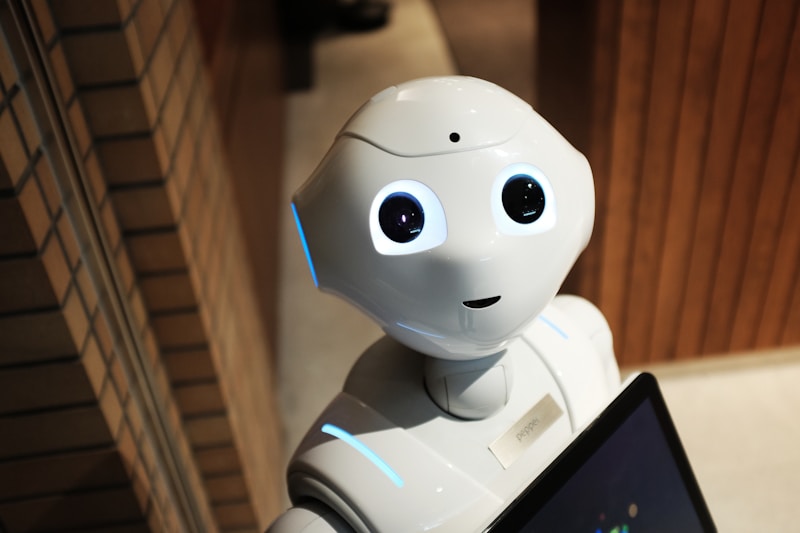
Agentic AI, which builds on generative AI by adding capabilities for reasoning, planning, and autonomous decision-making without continuous human supervision, is making the critical leap from experimental pilots to production deployments in 2026. Early adopters are reporting remarkable results, with productivity gains of 25 to 40 percent and return on investment of 6 to 10 times, according to research from leading technology analysts. These systems are being deployed to execute complex tasks such as customer service automation, invoice approvals, supply chain orchestration, and enterprise workflow management, fundamentally changing how organizations operate. Salesforce introduced 30 AI-powered enhancements including autonomous Slack agents, predictive CRM workflows, and real-time data summarization, integrating with its Einstein platform to automate routine tasks. However, Gartner has issued a cautionary note, predicting that 40 percent of agentic AI projects will fail by 2027 if organizations focus on automating broken processes rather than redesigning their operations from the ground up. The research firm found that while 38 percent of organizations are piloting agentic AI, only 11 percent have deployed it in production, indicating a significant gap between experimentation and real-world implementation. The challenge lies not in the technology itself but in the organizational transformation required to fully use autonomous AI systems. Deloitte's Tech Trends 2026 report emphasizes that successful AI adoption requires rebuilding organizational foundations rather than merely enhancing existing systems. Physical AI and robotics are also advancing rapidly, with humanoid robots from companies like Tesla, Figure AI, and Boston Dynamics moving from laboratories to commercial reality in factories and logistics operations. The convergence of agentic AI, physical robotics, and advanced infrastructure is creating what analysts describe as the most significant technological transformation since the advent of the internet.