Baylor University Preserves Black Gospel Music Legacy in Digital Archive
Baylor University's Black Gospel Music Preservation Program has digitized thousands of vinyl records from the Golden Age of Gospel (1945-1975), building an archive that researchers and the public can access online. The program, now in its 16th year, has partnered with the Smithsonian's National Museum of African American History and Culture.
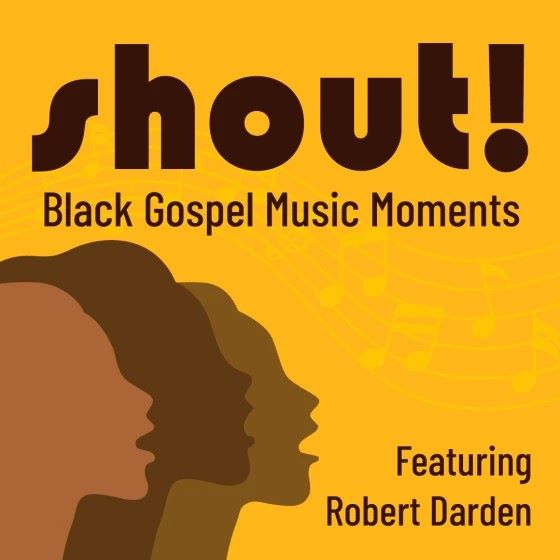
Baylor University's Black Gospel Music Preservation Program has spent 16 years rescuing recordings that might otherwise be lost. The program has digitized thousands of vinyl records, including 45s and 78s, pulled from basements, attics, and private collections across the country.
The archive focuses on the Golden Age of Gospel, the period from 1945 to 1975. Stephen Newby, D.M.A., ambassador for the program and the Lev H. Prichard III Endowed Chair in the Study of Black Worship at Baylor School of Music, says this era is a crucial cultural snapshot.
"The Black church was the epicenter of Black life," Newby said. "Black gospel music is inseparable from that history."
The program originated from a gift by Charles Royce, inspired by a 2005 New York Times op-ed by Baylor journalism professor Robert Darden. Ongoing support from Harold and Dottie Riley has funded state-of-the-art equipment at the Ray I. Riley Digitization Center.
The Black Gospel Archive, housed within Baylor Libraries, includes the Black Gospel Music Preservation Program, the Black Gospel Archive and Listening Center, the Black Gospel Music Royce-Darden Digital Collection, and the Black Gospel Preachers Project. Visitors can access the physical archive at Moody and Jones Libraries or browse the online database.
The program has partnered with the Smithsonian's National Museum of African American History and Culture. CBS News and NPR have both covered its work.
Darryl Stuhr, director of the archive, says preservation is a race against time. Independently produced recordings are disappearing. Private collectors hold rare items. Older artists, producers, and community members who can provide context are aging.
"We recently acquired the Saviour Home Library, a collection of LPs from Los Angeles-area Black gospel artists and choirs," said Hannah Engstrom, digital project curator. "Those recordings could have been lost to a flood or fire."
The ultimate goal is a digital audio archive that will attract researchers and ensure this music survives for future generations.