Black Church Faces Generational Divide as Younger Members Seek More Individualized Faith
A growing generational gap is reshaping the Black church in America, with Millennials and Gen Z increasingly identifying as spiritual but not religious. Community leaders and pastors are debating how to stay relevant without abandoning core theological commitments.
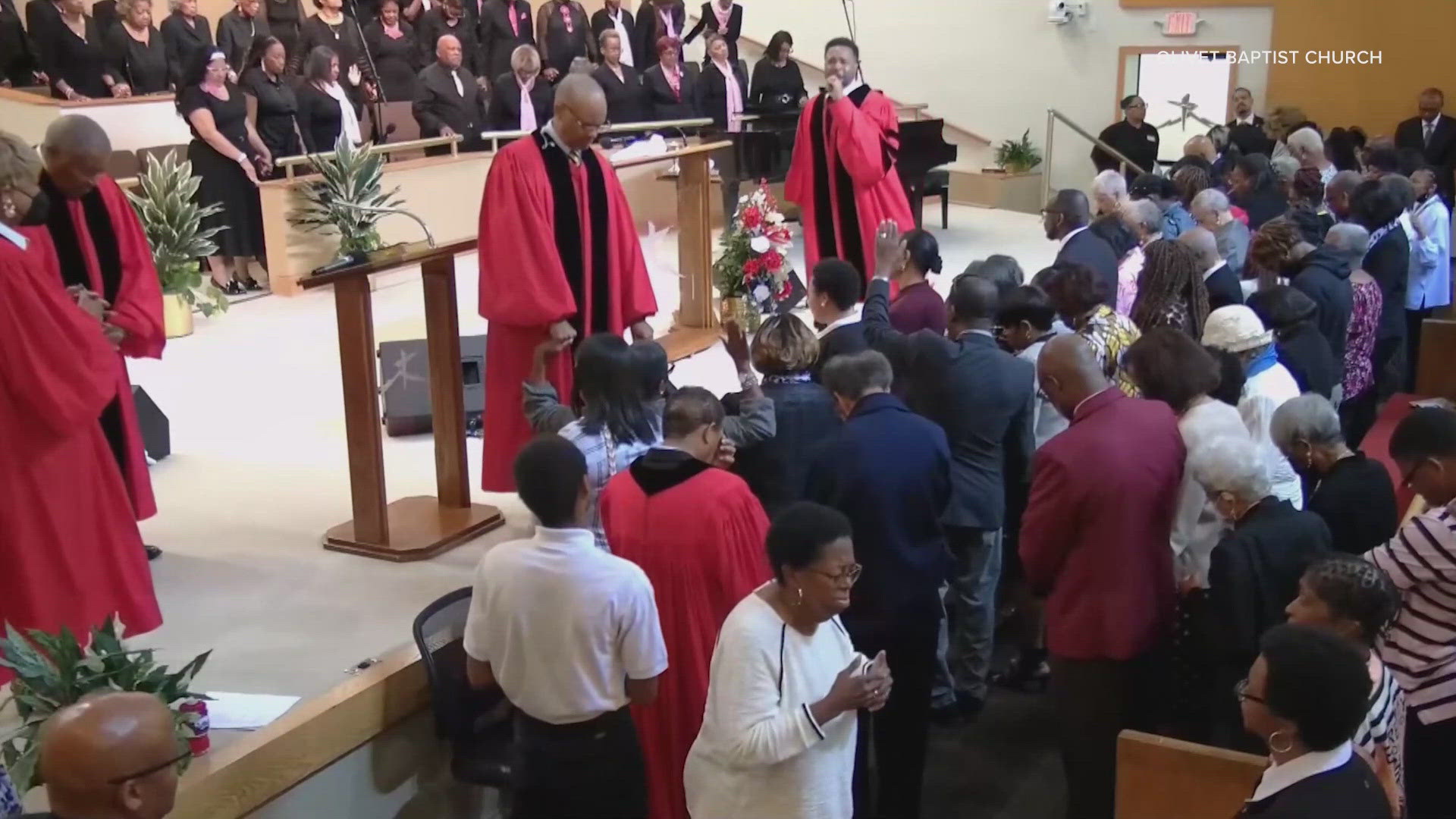
The Black church in America is grappling with a widening generational divide, as younger members drift toward individualized spirituality and away from institutional church membership.
Research and community conversations in mid-2026 show that Baby Boomers and older Gen X members tend to view the church as a cornerstone of Black community life. Younger generations, particularly Millennials and Gen Z, are more likely to describe themselves as spiritual but not religious, or to have left organized religion entirely.
Observers point to several factors driving the shift. Some younger Black Americans say they feel the church has not kept pace with their concerns about racial justice, LGBTQ inclusion, and mental health. Others cite a perception that some church leaders have prioritized personal wealth or celebrity over community service.
"The church used to be the center of everything, the social life, the political organizing, the mutual aid," said one Detroit-based pastor. "We have to ask honestly whether we are still doing all of that."
The National Black Church Initiative, which represents 150,000 member churches, has launched several programs aimed at reconnecting with younger generations, including mental health partnerships, maternal health campaigns, and financial literacy workshops.
Some congregations are experimenting with smaller, more intimate worship formats and digital-first outreach strategies. Others are doubling down on traditional worship and doctrine, arguing that the church's strength has always come from its theological roots.
The debate is not new, but the pace of change has accelerated. Analysts note that the trend mirrors broader patterns of religious disaffiliation among younger Americans across racial and ethnic groups, though the Black church's historical role as a community anchor gives the shift particular weight.