Black Church Leaders Release New Books Charting History and Hope for the Future
Three prominent Black church leaders published books in early 2026 examining the history, challenges, and future of the Black church in America. The works address women in ministry, the legacy of faith through adversity, and strategies for keeping younger generations engaged.
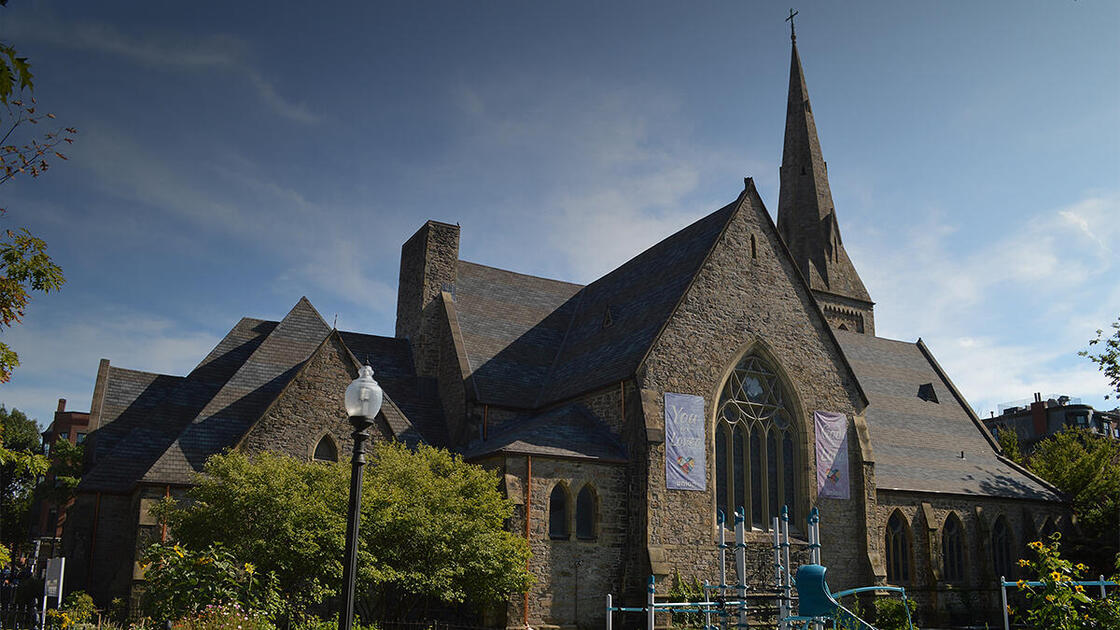
Three prominent Black church leaders released books in early 2026 that examine the history of the Black church in America and offer strategies for its future, arriving at a moment when the institution faces both generational challenges and renewed public interest.
The Rev. Boise Kimber, president of the National Baptist Convention USA, published "Breaking the Stained-Glass Ceiling," which makes the case for expanding women's roles in ministry and church leadership. Kimber argues that excluding women from the pulpit has weakened congregations and that the church must change to remain relevant.
Bishop Teresa E. Snorton's "Roots of Resilience: Black History Through the Eyes of Faith" traces the Black church from its African origins through the civil rights movement and the Black Lives Matter era. Snorton draws on her own experience as a bishop in the Christian Methodist Episcopal Church to argue that the church's history of survival under oppression is its greatest asset.
The Rev. W. Franklyn Richardson's "Never Lost: The Black Church as God's Ark of the Covenant" focuses on practical strategies for sustaining congregations, including integrating technology, elevating youth leadership, and deepening community activism.
All three authors spoke at a Religion News Service roundtable in February 2026, where they discussed the generational divide facing Black churches. Younger members, particularly those in Generation Z, have expressed frustration with what they see as a disconnect between church culture and their lived experiences.
The books arrive as the Barna Group prepares to release its "Trends in the Black Church" report, a multi-year study examining spiritual identity, pastoral transitions, and the effects of gentrification on historic congregations.