Black Church Membership Has Fallen 20 Points in Two Decades as Urban Displacement Closes Congregations
A new report finds that Black adult church membership has declined by approximately 20 percentage points over the last two decades. Urban gentrification has displaced more than 261,000 Black residents across 523 neighborhoods, contributing to church closures and property sales. Faith leaders in cities like Detroit are responding with expanded community outreach.
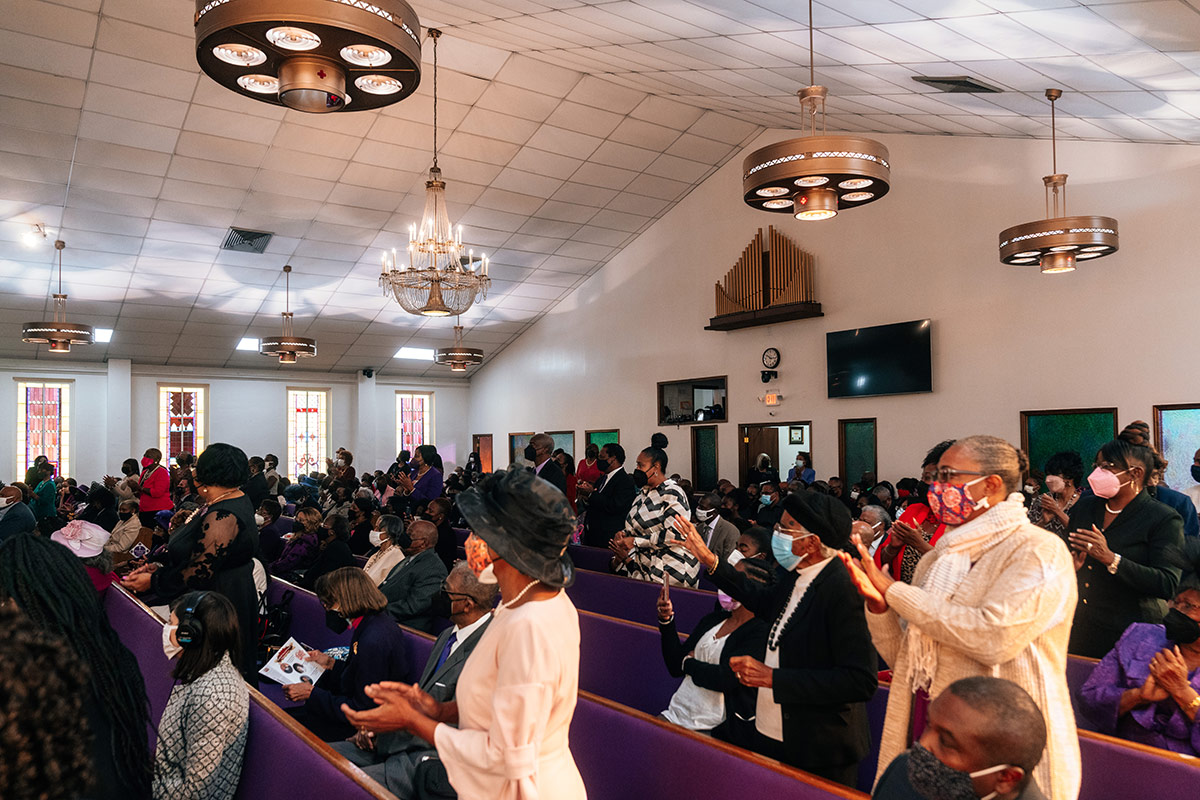
Black adult church membership has dropped by roughly 20 percentage points over the past two decades, according to a 2026 report on African American church growth challenges.
The decline tracks a broader national trend of falling religious affiliation, but the report highlights factors specific to Black communities, including urban gentrification. More than 261,000 Black residents have been displaced across 523 neighborhoods in recent years, and many churches have closed or sold their properties as a result.
When a congregation loses its building, it often loses its community anchor. Churches in Black neighborhoods have historically served as centers for education, social services, and political organizing, not just worship.
In Detroit, pastors have responded to the challenge by expanding outreach programs. Local faith leaders told Detroit PBS that they are focused on "standing in the gap" for their communities, offering healthcare navigation, educational support, and mental health resources alongside traditional ministry.
The report also notes that anxiety levels among Black churchgoers have risen in the current political climate, placing additional pressure on congregations to provide pastoral care and practical support.
Some churches are finding ways to adapt. City-wide revival events, like one held in Los Angeles in 2026, have brought congregations together to celebrate Black faith and address generational challenges facing the church.
The National Black Church Initiative has continued its daily Morning Prayer programming throughout 2026, maintaining a consistent presence for members who may not have a local congregation to attend.
Faith leaders say the path forward requires both spiritual renewal and practical investment in the communities where Black churches have historically been rooted.