First Baptist Church of Williamsburg Rededicated After 250 Years, Reclaiming Black History
On October 9, 2026, the First Baptist Church of Williamsburg, Virginia, was rededicated in a community-wide ceremony marking the completion of its reconstruction. Originally established in 1776 by enslaved and free African Americans, the church was rebuilt at its original site after archaeologists discovered its foundation and 62 associated graves in 2021. Pastor Reginald F. Davis called the restoration a reclaiming of the narrative of Black history in America.
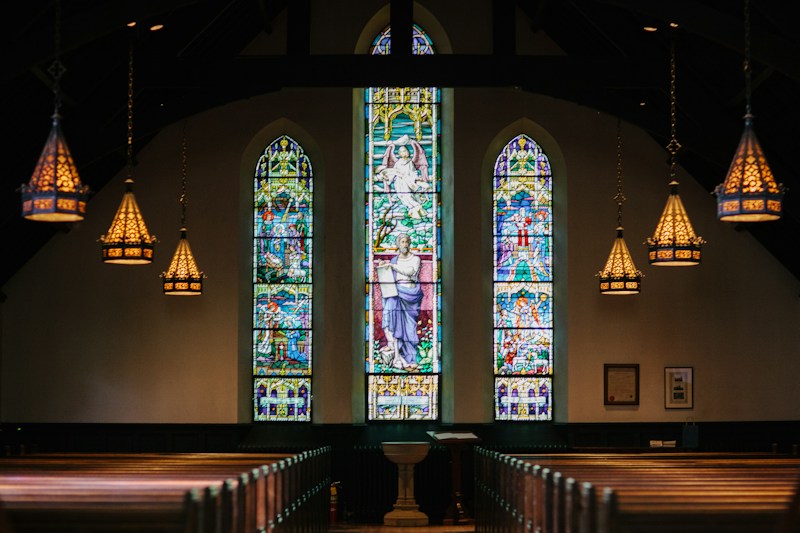
The First Baptist Church of Williamsburg, Virginia, was rededicated on October 9, 2026, in a ceremony marking the completion of its reconstruction at the original site where it was founded 250 years ago.
The church was established in 1776 by enslaved and free African Americans, defying laws that prohibited them from congregating. It is considered one of the oldest Black churches in the United States. The original building was constructed in 1805 using materials the congregation scrounged together.
The site was later destroyed by a tornado in the 19th century. The Colonial Williamsburg Foundation subsequently used the land as a parking lot for decades. In 2021, archaeologists discovered the original foundation and 62 graves associated with the church, prompting a reconstruction effort.
The restored building features 18th and 19th-century aesthetic details, including handblown restoration glass. The rededication ceremony included performances by the Nassau Street Remembrance Choir and speeches honoring the church's historical leadership.
Speakers honored Gowan Pamphlet, an 18th-century preacher who led the congregation. Historical interpreters described Pamphlet as a precursor to civil rights figures like Frederick Douglass and Martin Luther King Jr.
Pastor Reginald F. Davis, who currently leads the congregation, called the restoration a reclaiming of the narrative. "This is a necessary acknowledgment of Black history as foundational to the United States," Davis said.
The reconstruction was supported by the Colonial Williamsburg Foundation and community donors. The site now serves as both an active congregation and a historical landmark open to visitors.