Black Clergy Warn Nation Is Treating the Black Church as Emergency Moral Infrastructure Without Support
Public theologians and pastors are raising alarms that American society relies on the Black Church to stabilize communities during crises, from gun violence to economic hardship, without providing structural support in return. Church leaders say the expectation is exhausting clergy and straining congregations.
Black clergy and public theologians are sounding an alarm: the nation keeps turning to the Black Church in moments of crisis, but rarely shows up when the church itself needs help.
The critique, published this month in Baptist News Global, argues that the Black Church has become what one theologian called "America''s emergency moral infrastructure." When gun violence spikes, when communities face economic collapse, when political tensions boil over, Black pastors are expected to provide moral language, social services, and community stability.
The problem, church leaders say, is that this expectation comes without institutional support or structural recognition. Congregations absorb enormous social burdens, often with limited budgets and volunteer-driven staff, while the broader American church and government look on.
Several pastors quoted in the report described a growing sense of exhaustion among Black clergy. They say they are being asked to do the work of social workers, grief counselors, and political mediators on top of their pastoral duties, all while their own congregations face the same economic pressures as the communities they serve.
The National Black Church Initiative, which represents 150,000 churches and 27.7 million members, has been pushing back on this dynamic for years. The organization runs programs on maternal health, Parkinson''s disease awareness, and housing advocacy, but leaders say the scale of need far outpaces what churches can provide alone.
Theologians writing on the subject are calling on the broader American church to move beyond celebrating the Black Church''s history and toward active, practical support. That means funding, partnership, and advocacy, not just acknowledgment.
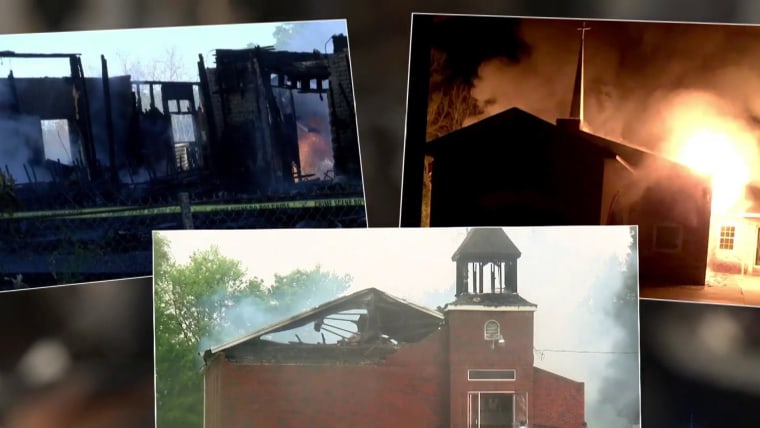
The conversation is happening as Black churches also face physical threats. Three historically Black churches in St. Landry Parish, Louisiana, were destroyed by arson earlier this month in what authorities called racially motivated attacks.