Black Protestants Remain Among Most Religiously Active Americans Despite Perceived Decline
New data shows that 66 percent of Black Protestants attend church services at least monthly, making them one of the most religiously engaged groups in the United States. The finding comes even as 47 percent of Black adults say the Black church has less influence today than it did during the civil rights era.
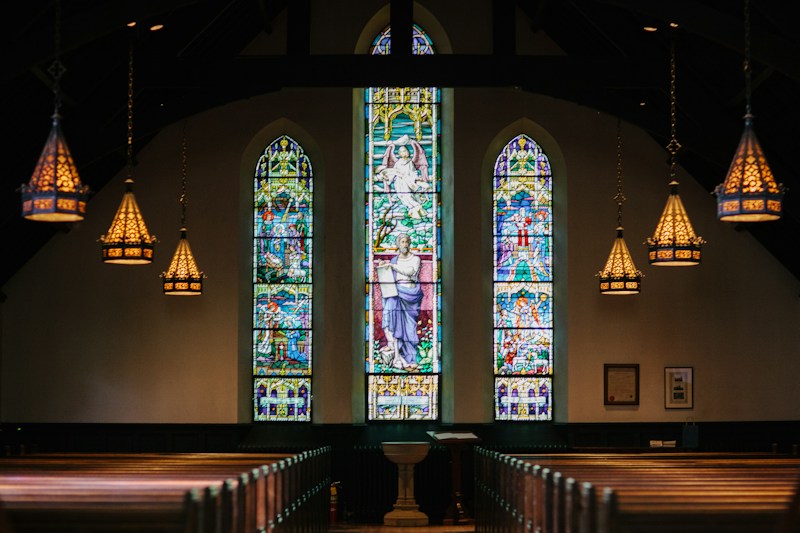
New data shows that 66 percent of Black Protestants attend church services at least monthly, making them one of the most religiously engaged groups in the United States.
The finding comes from the 2023-24 Religious Landscape Study and is drawing attention in September 2026 as analysts assess the current state of the Black church. The data stands in contrast to a widespread perception of decline: 47 percent of Black adults say the Black church has less influence today than it did during the civil rights era.
Black adults also remain significantly more likely than the general U.S. population to identify as Christian. The current figure is 73 percent for Black adults, compared to 62 percent for the broader population.
Church leaders across the country are framing their mission in civic terms. Pastors in Detroit, including Rev. Cindy Rudolph, Rev. Charles Christian Adams, and Rev. Aramis Hinds, told Detroit PBS that congregants are experiencing significant psychological and emotional stress due to shifting federal policies and national instability. In response, these leaders are expanding outreach services, advocating for healthcare and education access, and providing spiritual support.
The National Black Church Initiative, a coalition representing 150,000 churches and 27.7 million members, continues to lead advocacy efforts on health equity, voter engagement, and community benefit agreements for data center development.
Analysts note that the gap between perceived decline and actual engagement reflects a complex reality. While the Black church may have less formal political leverage than it did during the civil rights movement, its role as a community anchor remains strong. The institution continues to address mental health crises among Black youth, healthcare disparities, and economic inequality.
The broader American trend of declining Christian identification has had a smaller impact on Black communities than on white or Hispanic populations, according to the Pew Research Center data underlying the landscape study.