Black Women Built the Black Church. Why Can't They Lead It?
Despite comprising 66 to 88 percent of Black church congregations, Black women hold fewer than one in ten senior leadership positions in Black Protestant churches. A new report examines the persistent barriers of tradition and bias that keep women from the pulpit, even as 86 percent of Black Americans say women should be allowed to serve as senior religious leaders.
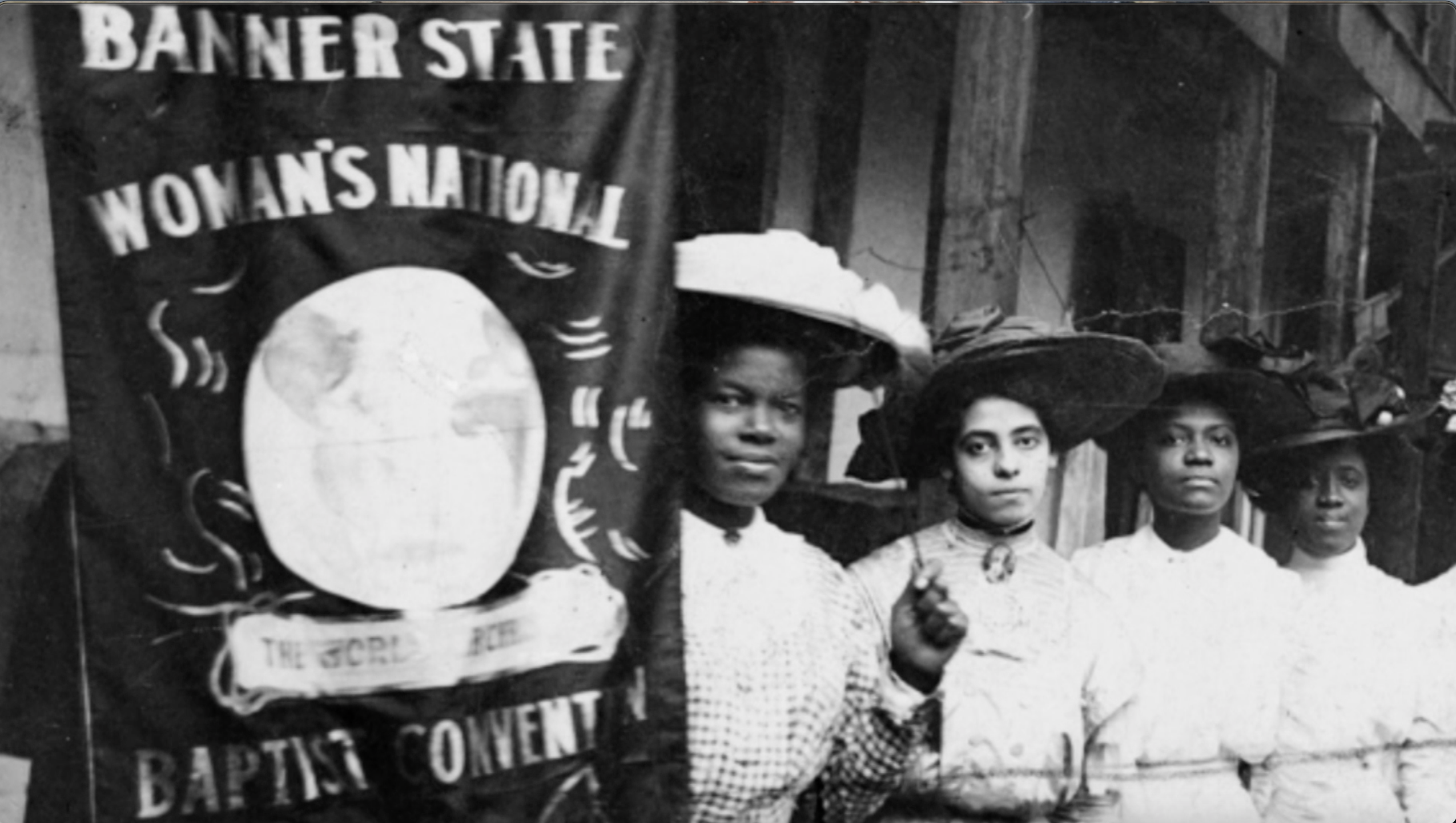
Nearly two centuries after Jarena Lee became the first Black woman preacher in the late 1700s, Black women continue to face significant barriers to leadership in the Black church. Despite comprising between 66 and 88 percent of membership in many African American congregations, researchers estimate that fewer than one in ten Black Protestant congregations is led by a woman.
Lee, born into a free Black family, was just 24 when she heard the call to ministry as a member of the newly-formed African Methodist Episcopal Church. Though founders banned women from the pulpit, Lee persisted: 'If the man may preach, because the Savior died for him, why not the woman, seeing He died for her also?' After seeing her captivate an audience with a sermon, church leaders eventually gave Lee permission to preach.
In the nearly two centuries since, Black women have made significant progress in ministry, including the elevation of Rev. Vashti Murphy McKenzie as the AME's first female bishop. Yet most pulpits and highest leadership offices remain overwhelmingly reserved for men.
'We are a culture that has historically put more value in the men's voice,' said Rev. Dr. Erika D. Crawford, a pastor in the African Methodist Episcopal Church and leader of its Commission on Women in Ministry.
Despite institutional barriers, attitudes among churchgoers appear to be shifting. A Pew Research Center survey found 86 percent of Black Americans believe women should be allowed to serve as senior religious leaders, including strong support from both men and women. Bishop Andrea Foster of Kingdom First Assembly Church in Rock Hill, South Carolina, acknowledges progress but notes that women are usually held to a higher standard. For many clergywomen, the goal is not simply representation but recognition of a calling that has always existed.