Blood Test Can Predict Alzheimer's Cognitive Decline Up to 10 Years Before Symptoms Appear
An international study published in late October 2026 found that a blood test can identify people at high risk of Alzheimer's-related cognitive decline up to a decade before symptoms emerge. High-risk individuals identified by the test showed a 38 percent higher likelihood of cognitive decline compared to low-risk groups.
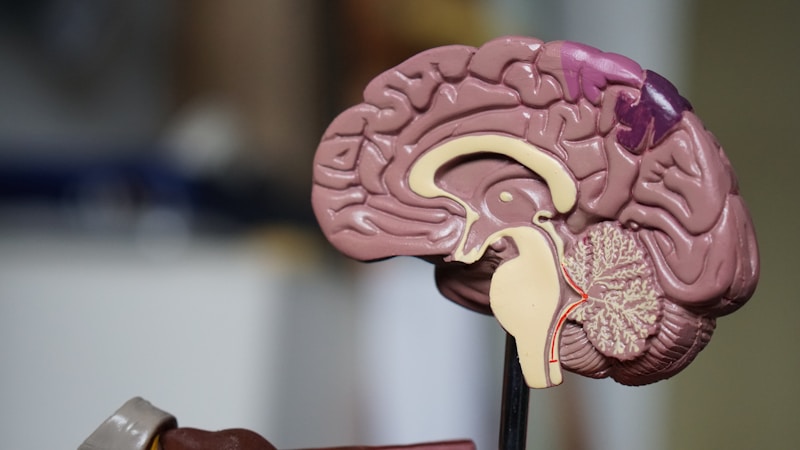
An international research team has identified a blood test capable of predicting Alzheimer's-related cognitive decline up to 10 years before symptoms appear, according to findings published in late October 2026.
The study, reported by ScienceDaily, found that individuals flagged as high-risk by the blood test showed a 38 percent higher likelihood of experiencing cognitive decline compared to those in the low-risk group. The test measures specific biomarkers in the blood that are associated with the early biological changes of Alzheimer's disease.
Early detection of Alzheimer's has been a major research priority for decades. By the time most patients receive a diagnosis, significant brain damage has already occurred. A reliable blood-based screening tool could allow for earlier intervention, lifestyle changes, and participation in clinical trials at a stage when treatments may be more effective.
The research involved participants from multiple countries and tracked cognitive outcomes over an extended follow-up period. The blood test analyzed markers that reflect amyloid and tau protein accumulation, which are hallmarks of Alzheimer's pathology.
Researchers noted that the test is not a definitive diagnosis but a risk stratification tool. A high-risk result would prompt further evaluation, including more detailed cognitive testing and potentially brain imaging.
The findings add to a growing body of research on blood-based biomarkers for neurodegenerative diseases. Several similar tests are in various stages of clinical development and regulatory review. Scientists say a widely available, affordable blood test for Alzheimer's risk could transform how the disease is detected and managed in primary care settings.