Wellness tips, health news, mental health, and nutrition updates
95 articles
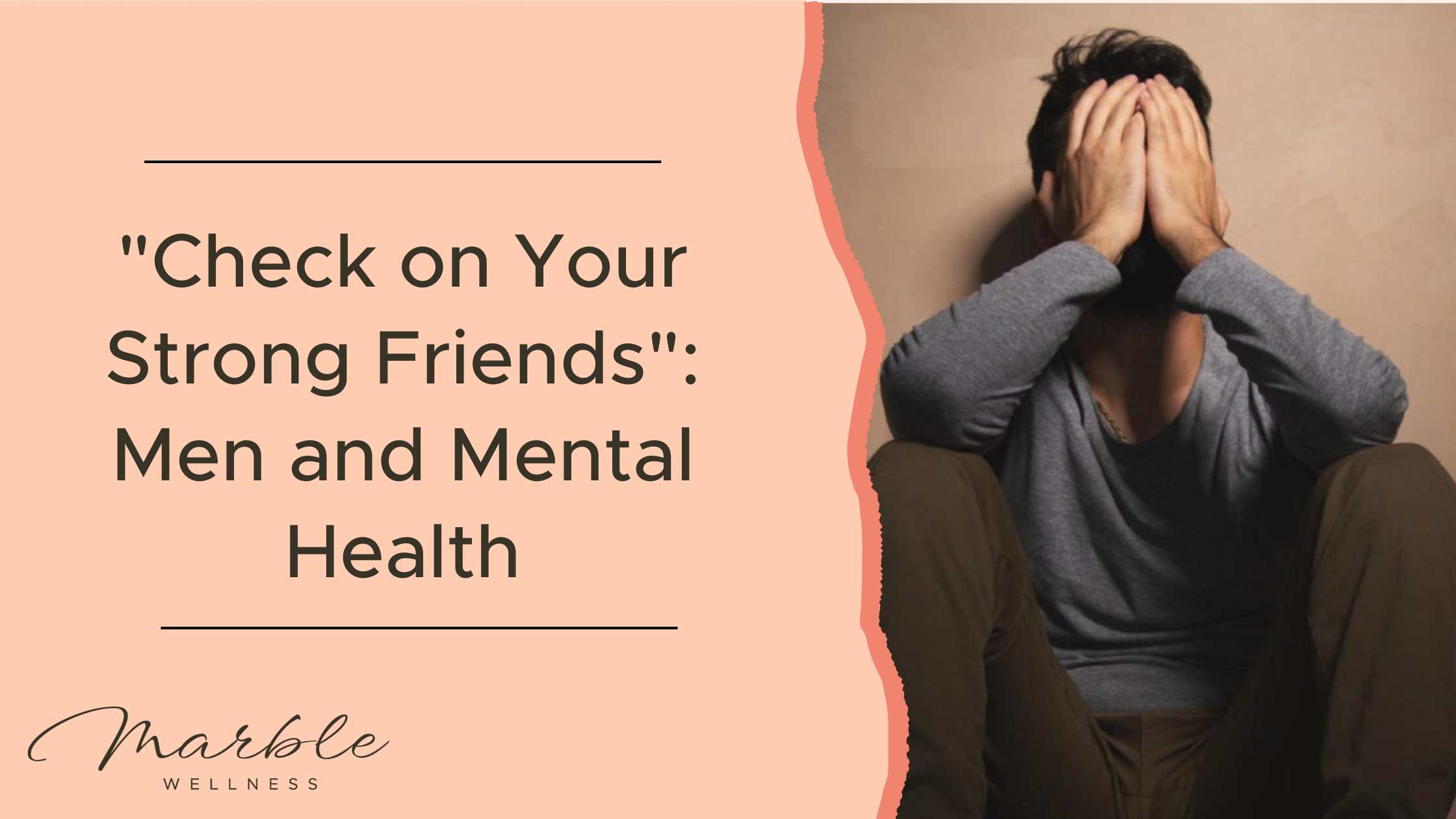
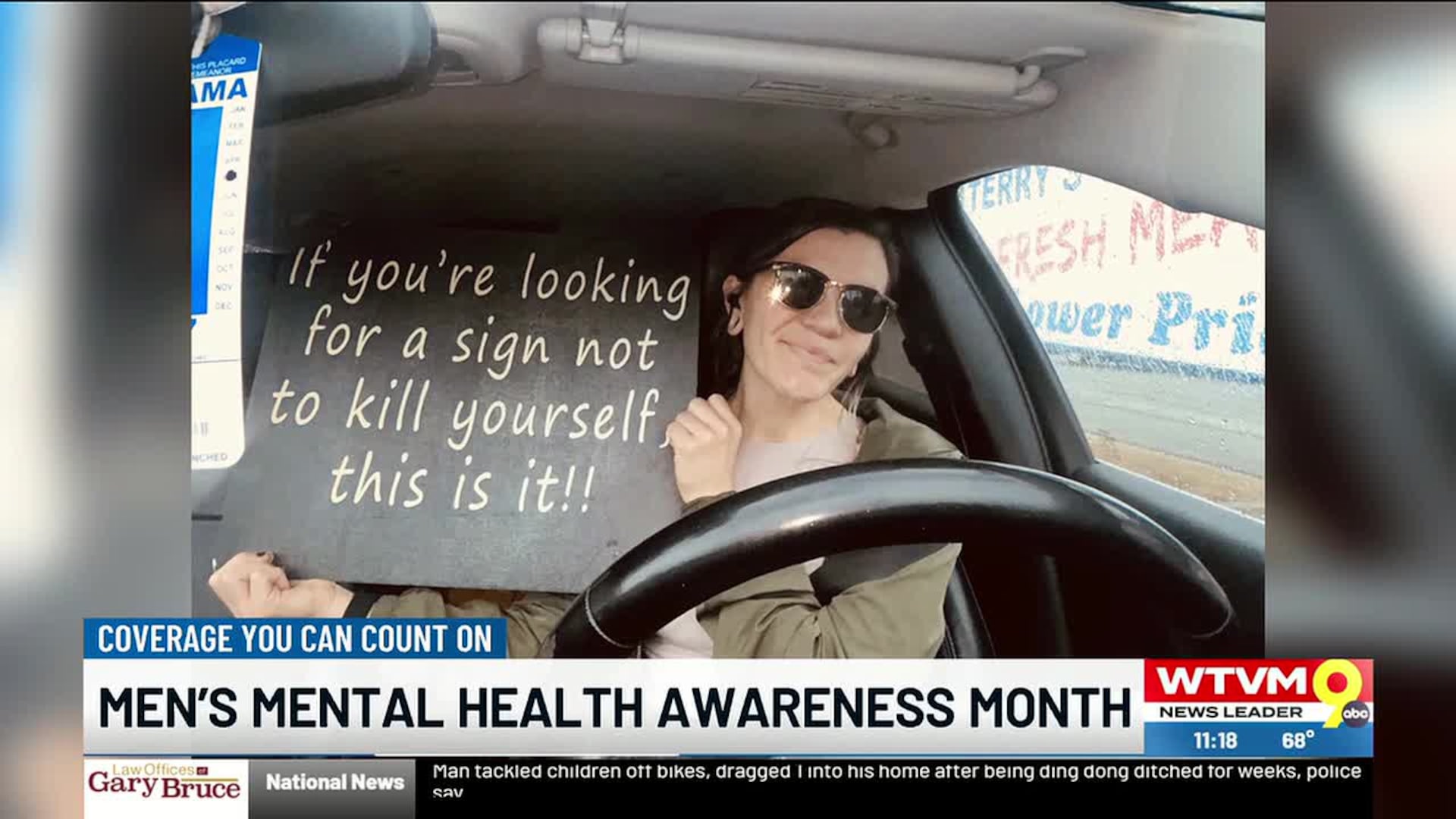
New data shows 15 percent of American men report having no close friends, a fivefold increase since 1990. Mental health researchers describe the trend as a 'silent epidemic' driving higher rates of depression, anxiety, and suicide among men. Only about half of men with depression or anxiety symptoms seek professional help.
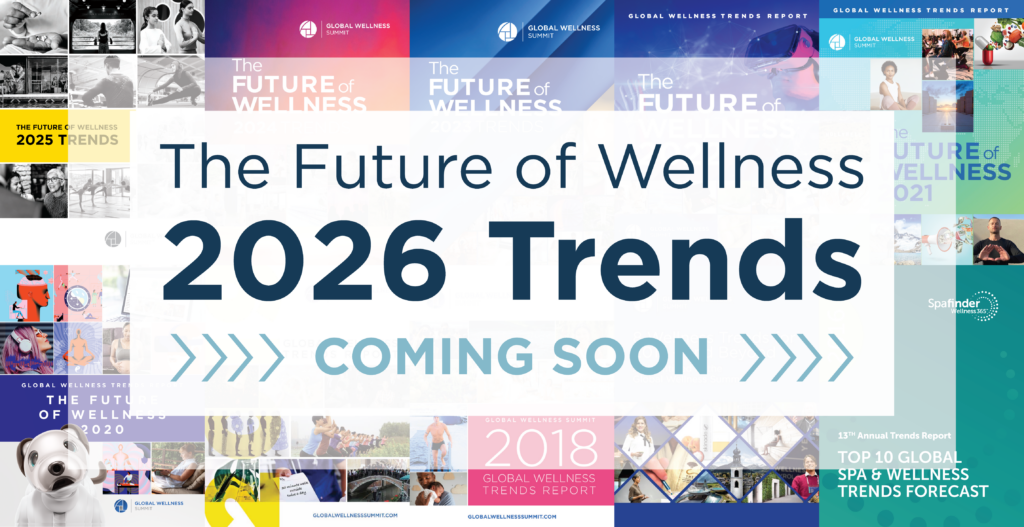
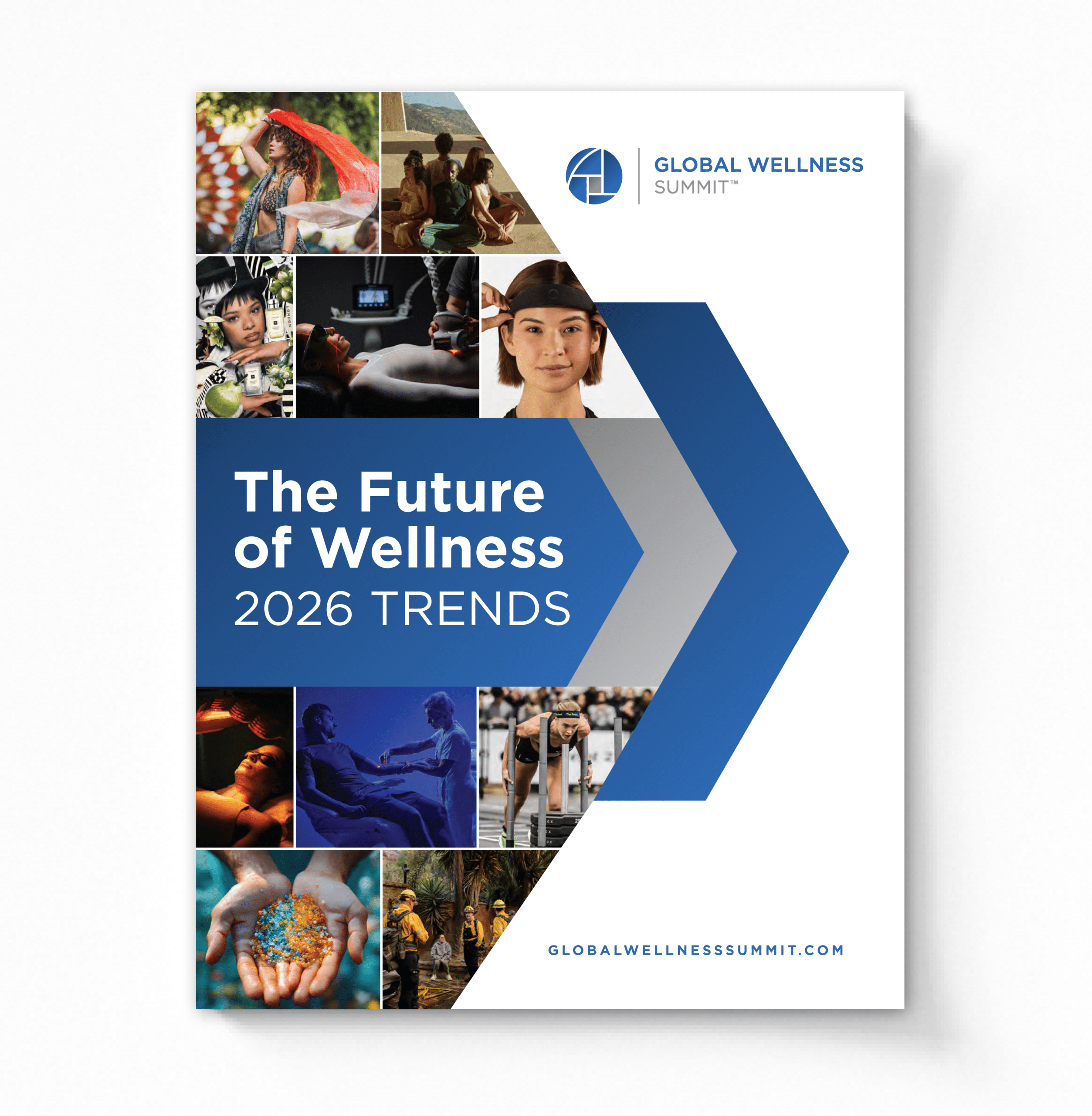
The Global Wellness Summit released its 2026 Trends report, identifying nervous system regulation and women's longevity as the top emerging areas in health. The report also flagged microplastics as a direct human health concern and noted a backlash against over-optimization in wellness culture. Experts say the shift reflects a move toward sustainable, emotionally grounded health practices.
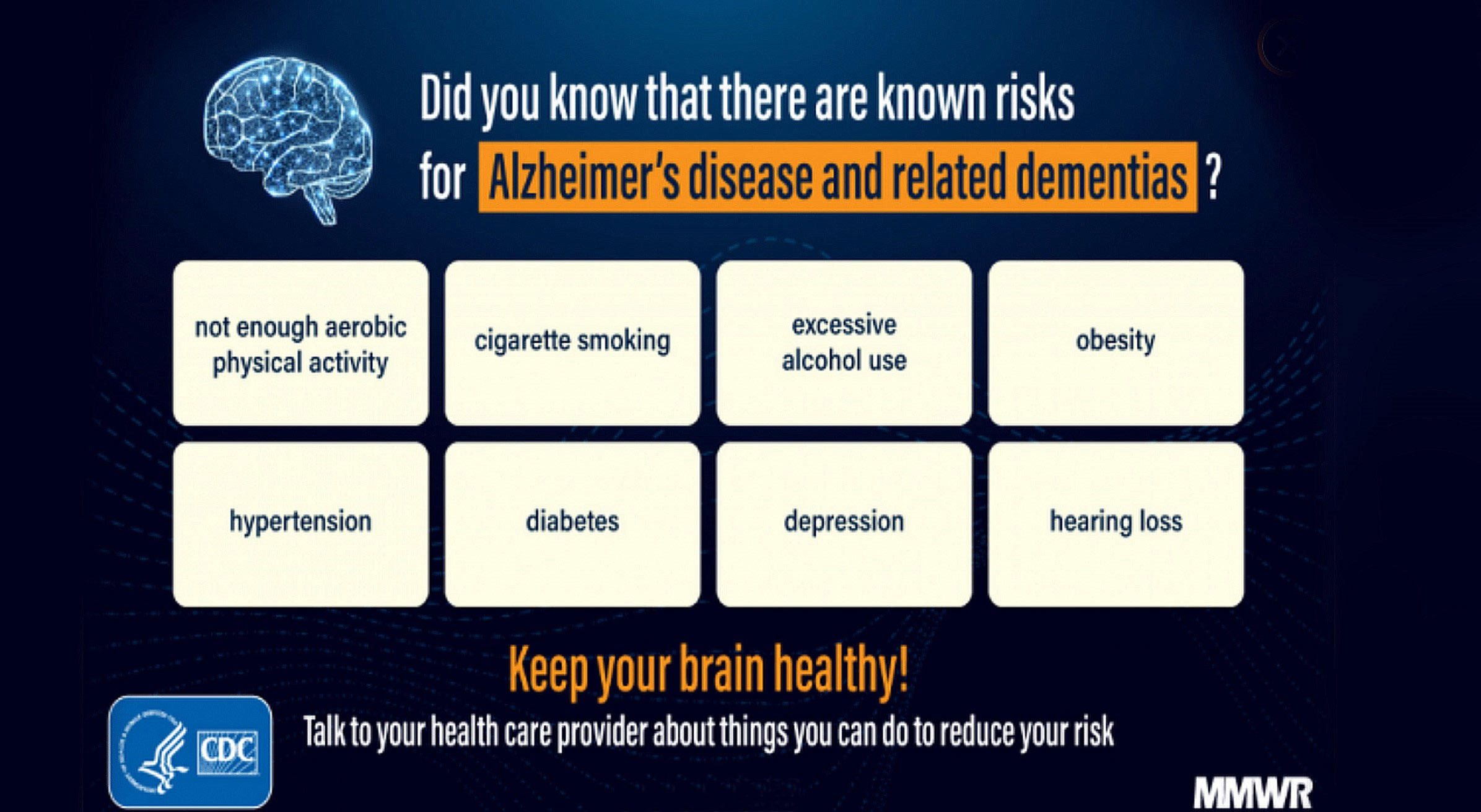
A study published in April 2026 found that sustained mental stimulation throughout life may reduce the risk of Alzheimer's disease by up to 38 percent. Researchers tracked cognitive activity across decades and found consistent reading, learning, and problem-solving had the strongest protective effect. The findings add to growing evidence that brain health is shaped by daily habits.
A twice-yearly injection called zilebesiran showed greater reductions in blood pressure than standard daily medication in a clinical trial, according to results published in April 2026. Researchers say the drug could change how hypertension is managed for millions of patients.
New research published in April 2026 found that immune cells in the brain destroy smell-related nerve fibers in the early stages of Alzheimer's disease, suggesting that loss of smell could serve as an early warning sign years before cognitive symptoms emerge.
A targeted pill called daraxonrasib helped patients with metastatic pancreatic cancer live nearly twice as long as those receiving standard chemotherapy, according to trial results published in April 2026. Patients on the drug had a median survival of 13.2 months compared to 6.7 months for chemotherapy.
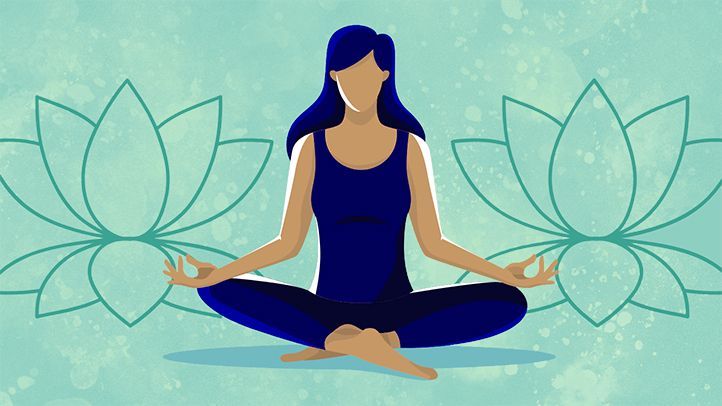
A new study found that just seven days of meditation practice can produce measurable changes in brain activity and improve immune system signaling. Researchers say the findings suggest meditation may be a practical tool for managing stress and supporting overall health.
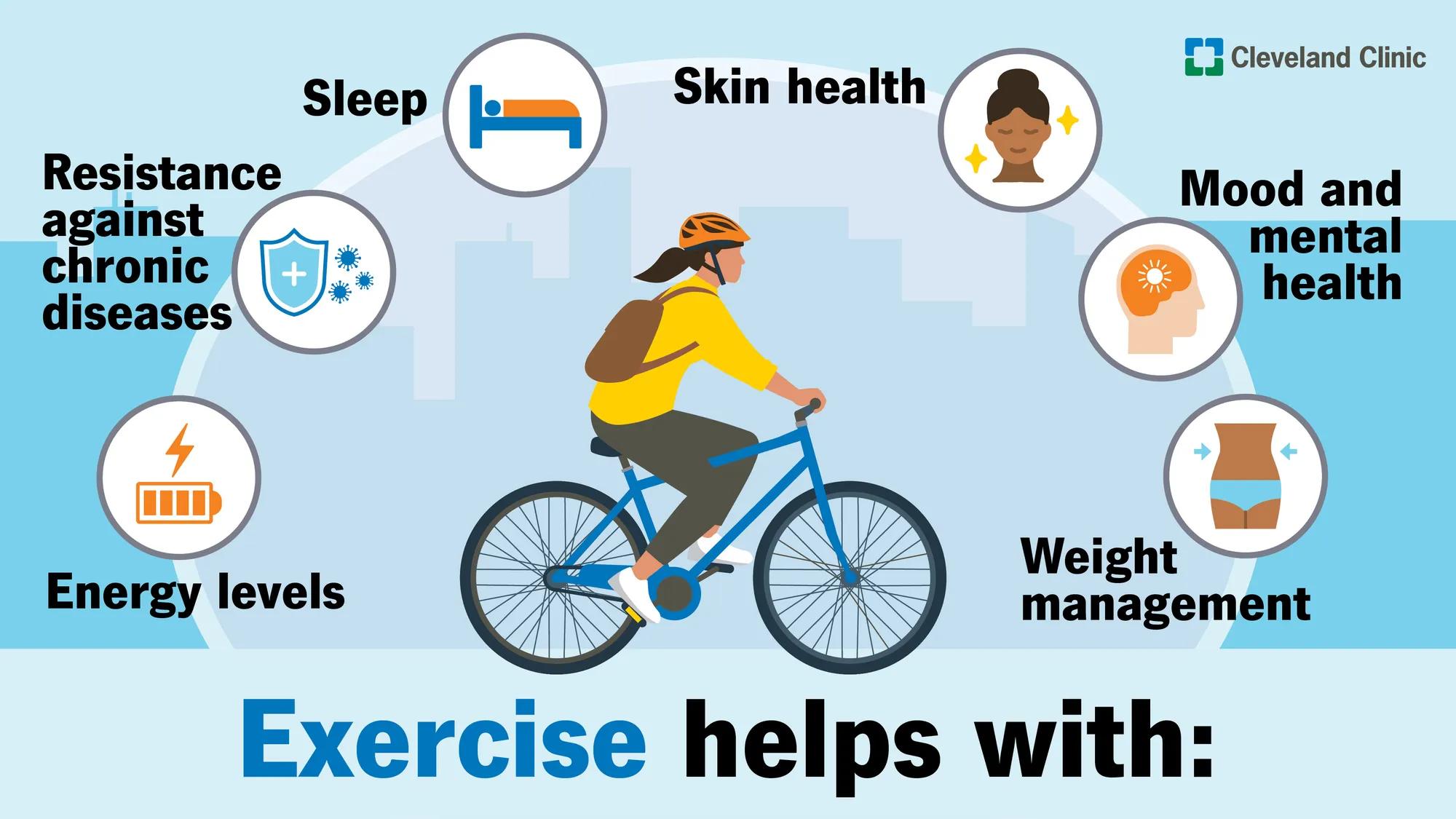
New research shows that regular exercise helps protect the brain from Alzheimer's disease by repairing the blood-brain barrier, the protective shield that keeps harmful substances out of brain tissue. The findings add to growing evidence that physical activity is one of the most effective tools for brain health.
Researchers have developed a stool test that uses artificial intelligence to map gut bacteria and detect 90 percent of colorectal cancers. The test could offer a less invasive alternative to colonoscopies for many patients.
New research shows that young adults with high blood pressure face a significantly higher risk of heart and kidney disease as they age. Health experts say early detection and lifestyle changes, including mind-body practices like yoga and Qigong, can help lower blood pressure and reduce long-term risk. The findings add urgency to calls for routine blood pressure screening in people under 40.
The 2026 Mental Health Awareness Month campaign, launching in May, will center on the theme 'Human Flourishing: Stories of Hope, Healing, and Possibility.' The Trilith Foundation is leading the initiative, which aims to highlight recovery stories and counter the idea that mental health conversations are only about diagnosis and crisis. More than one in three Americans plan to make a mental health resolution in 2026.
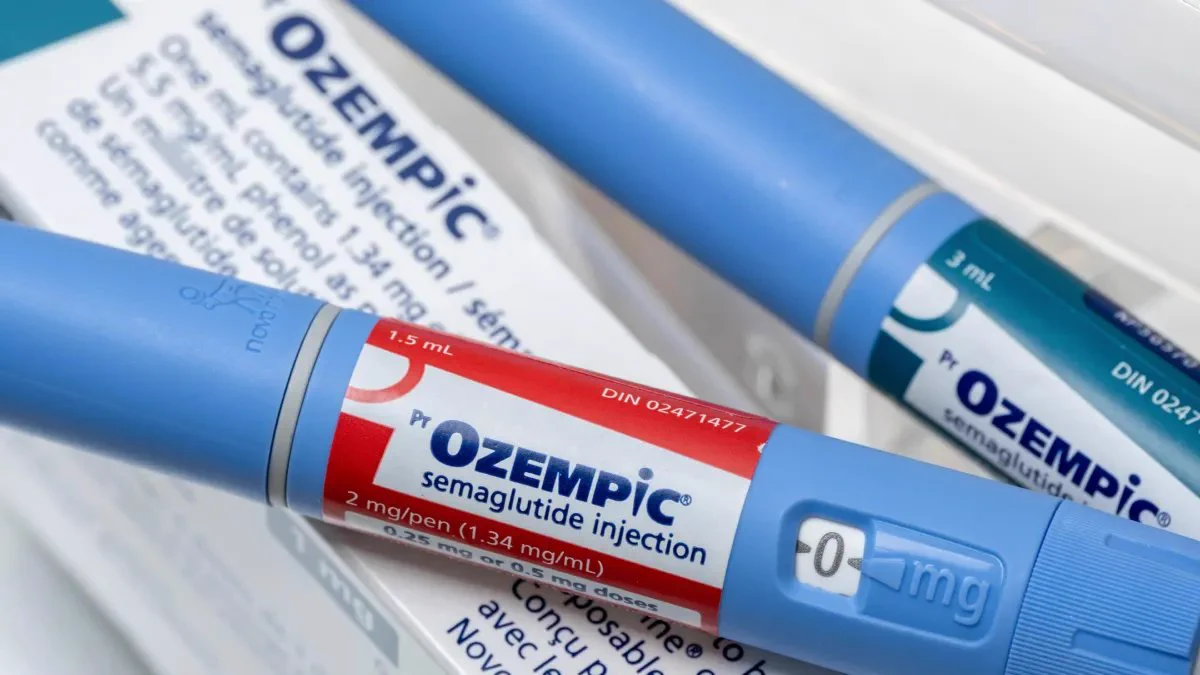
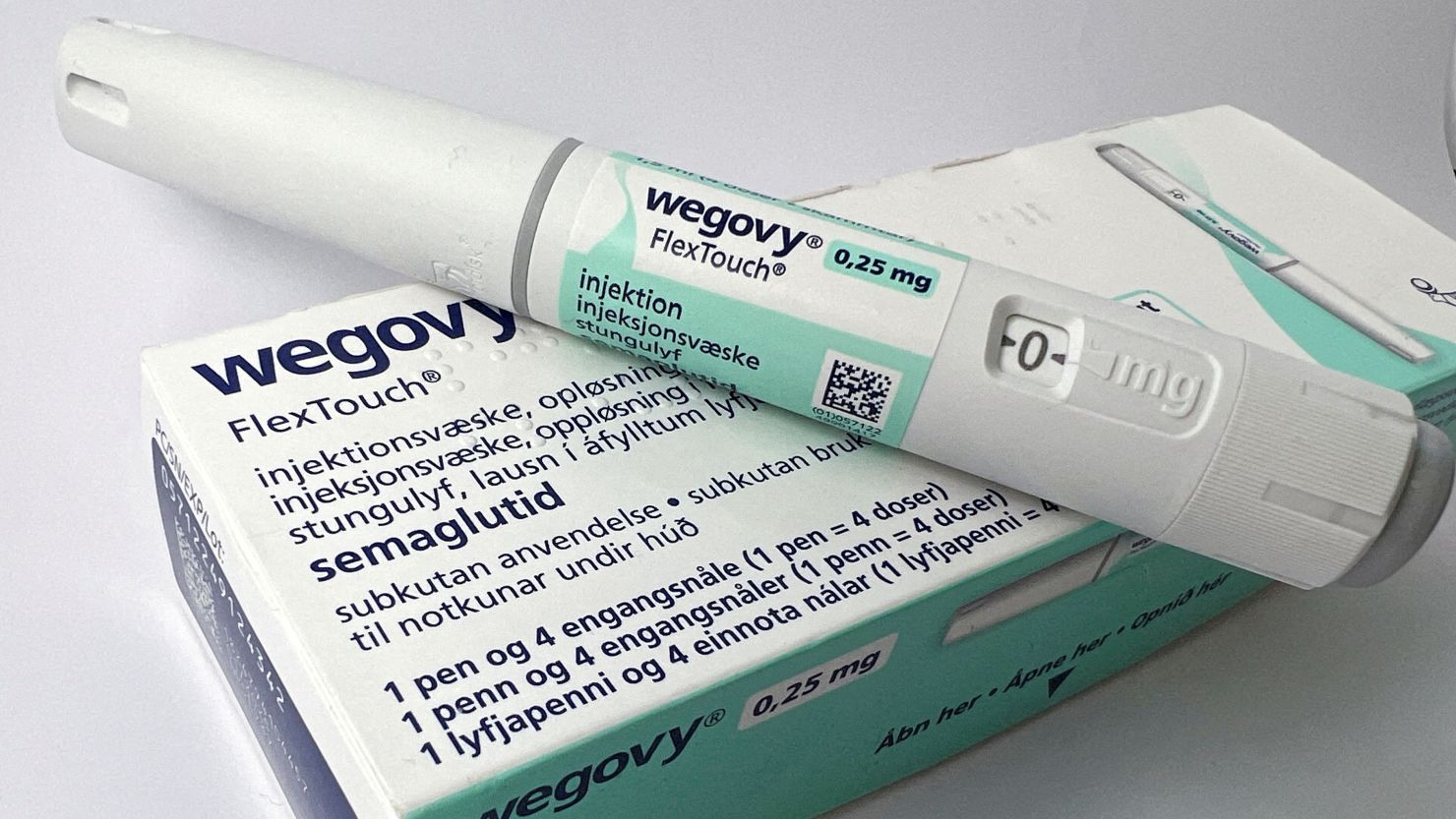
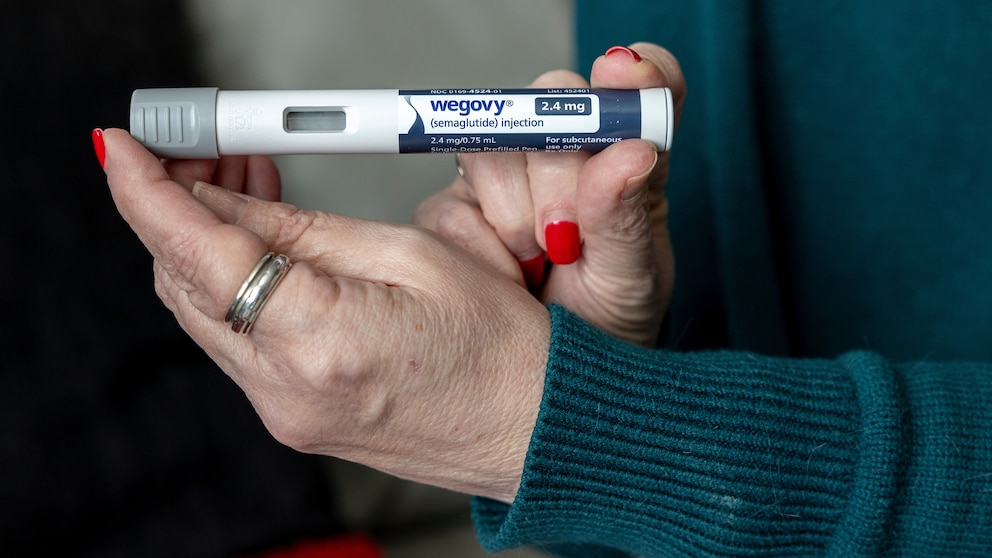
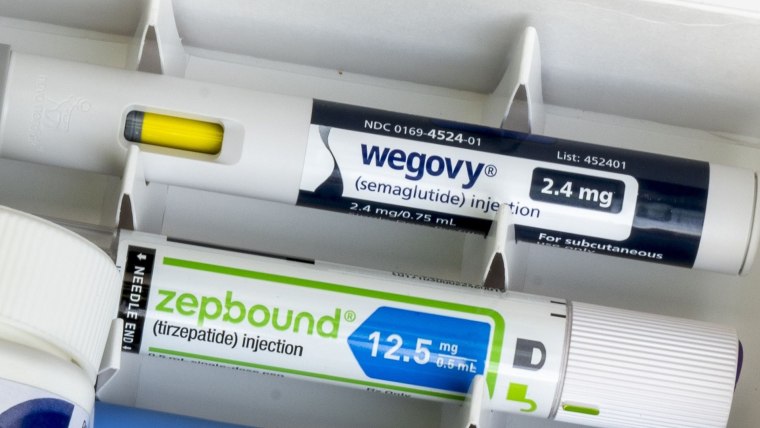
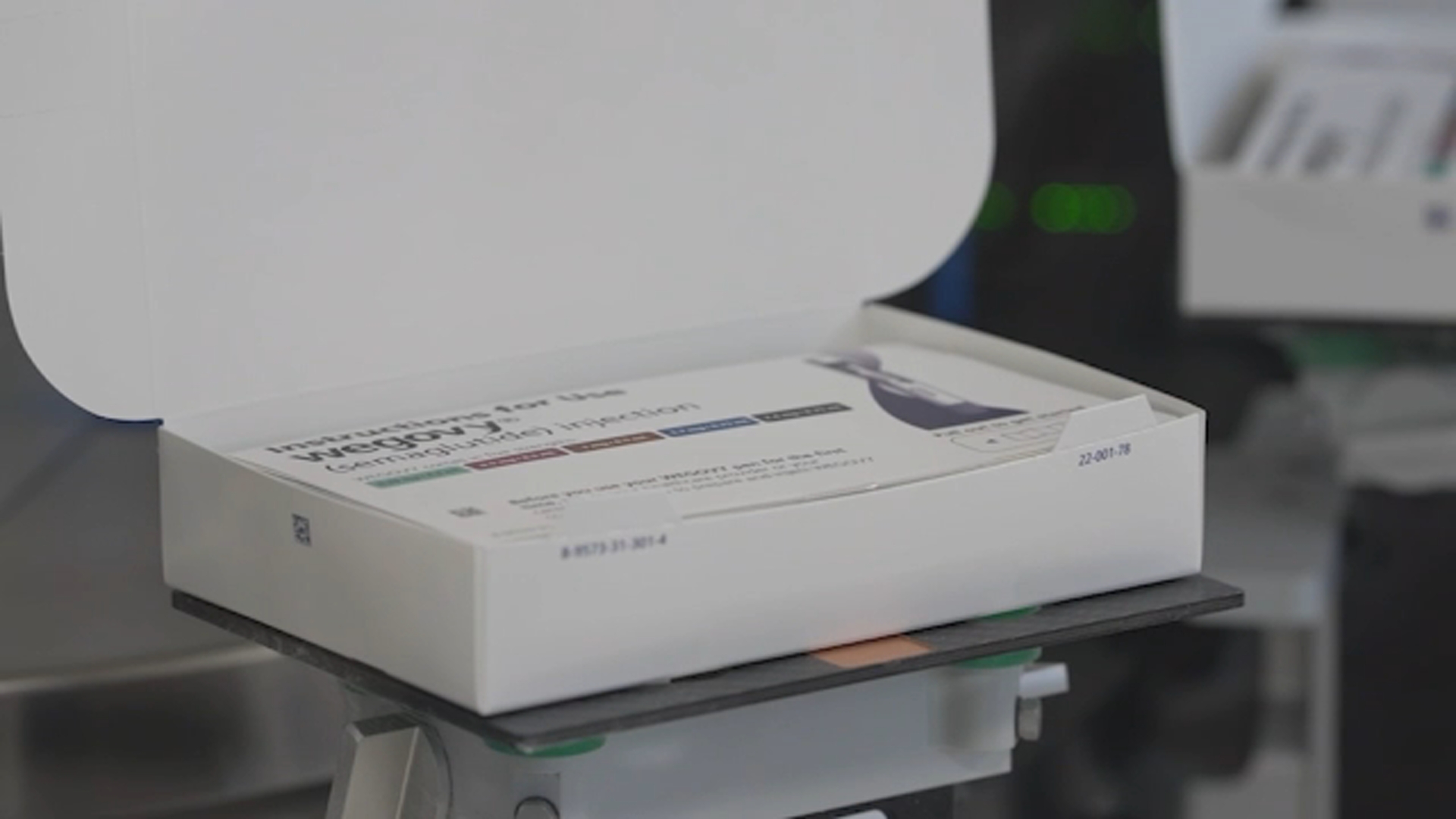
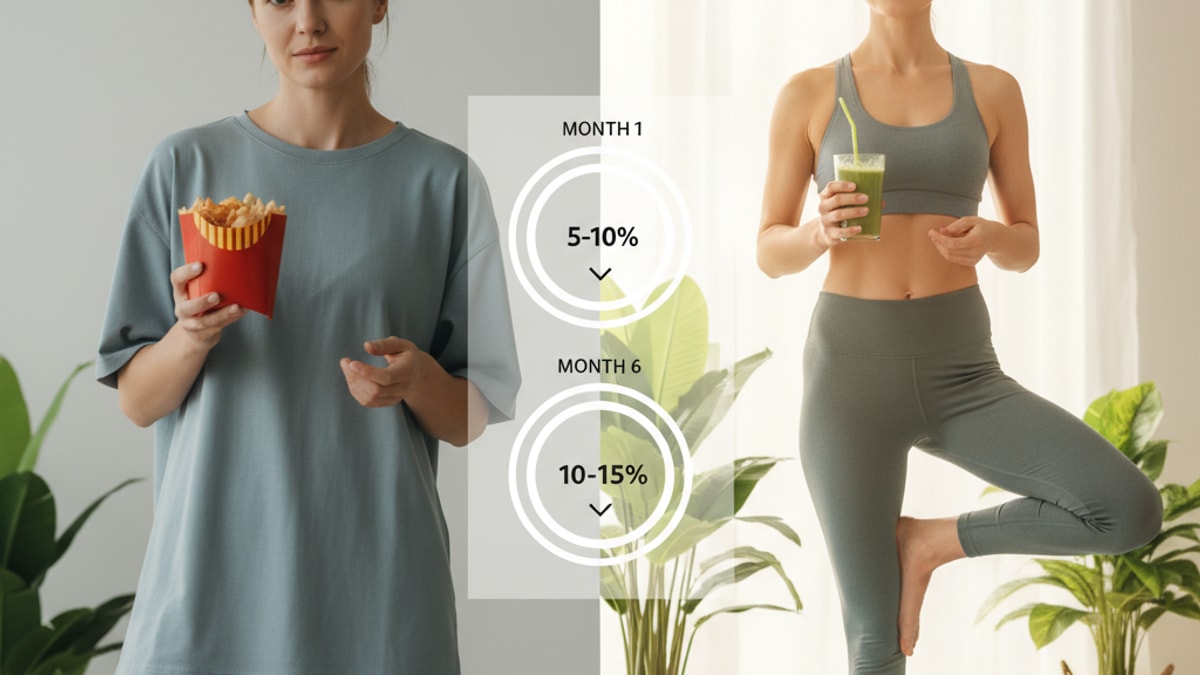
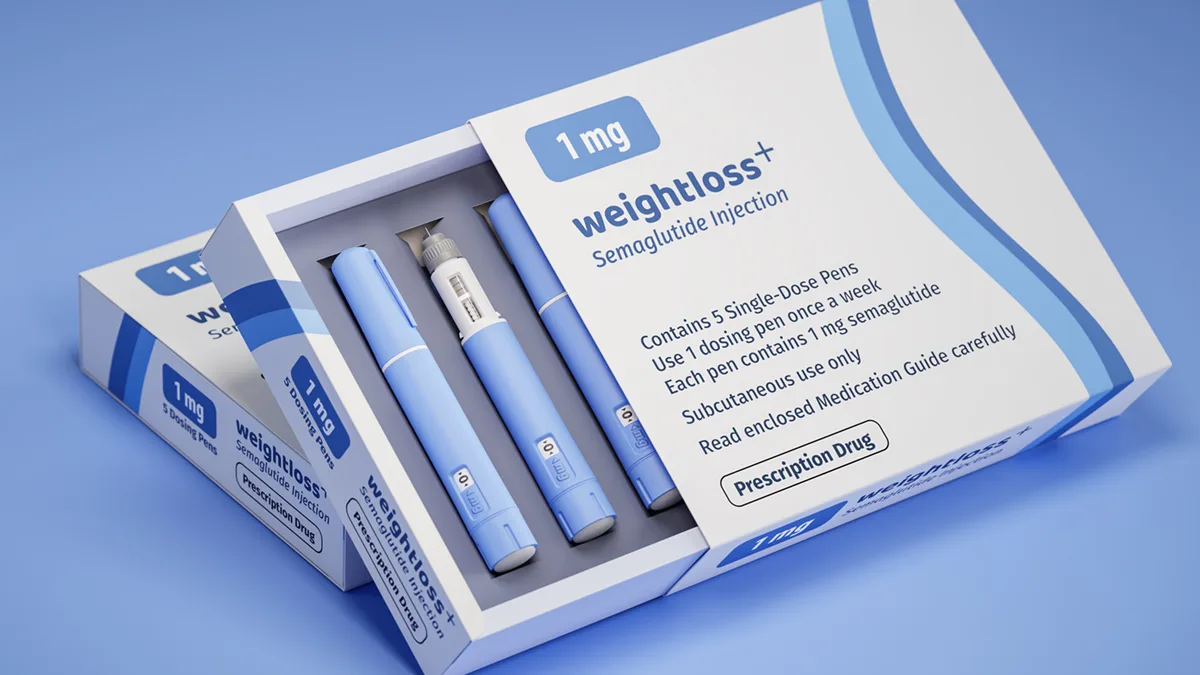
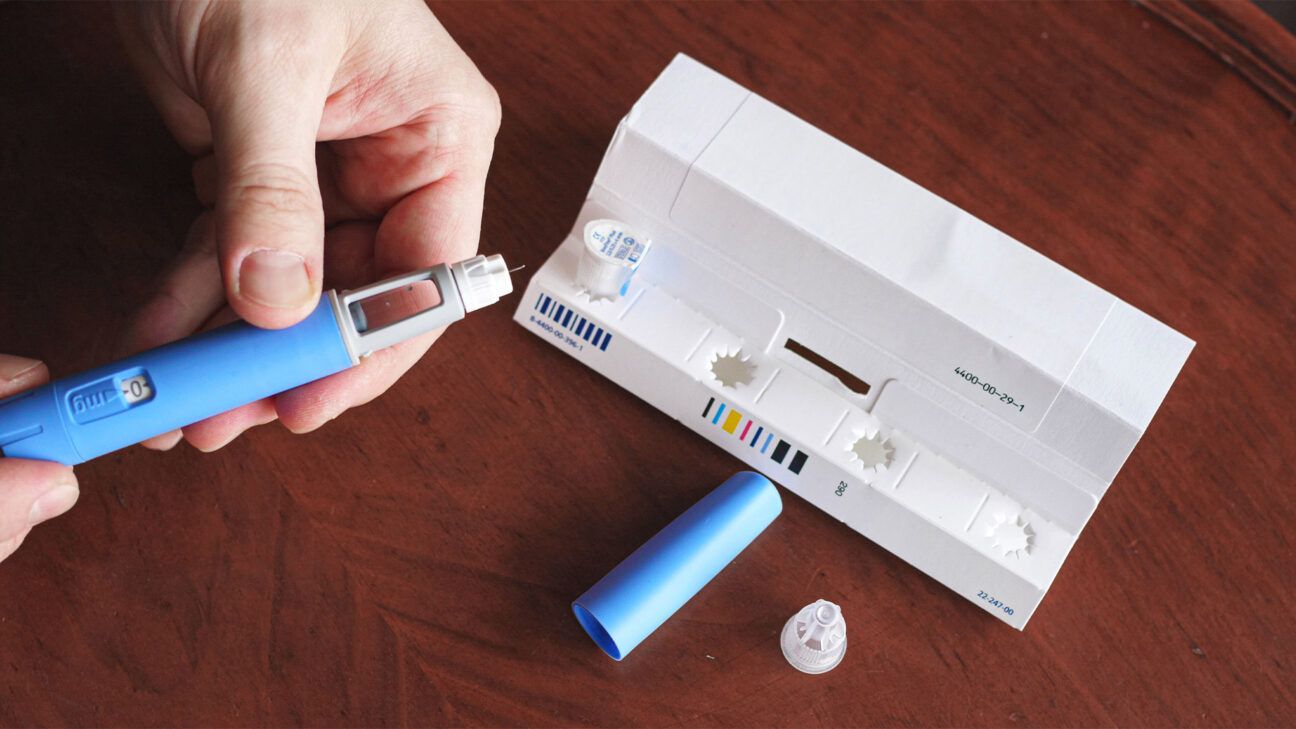
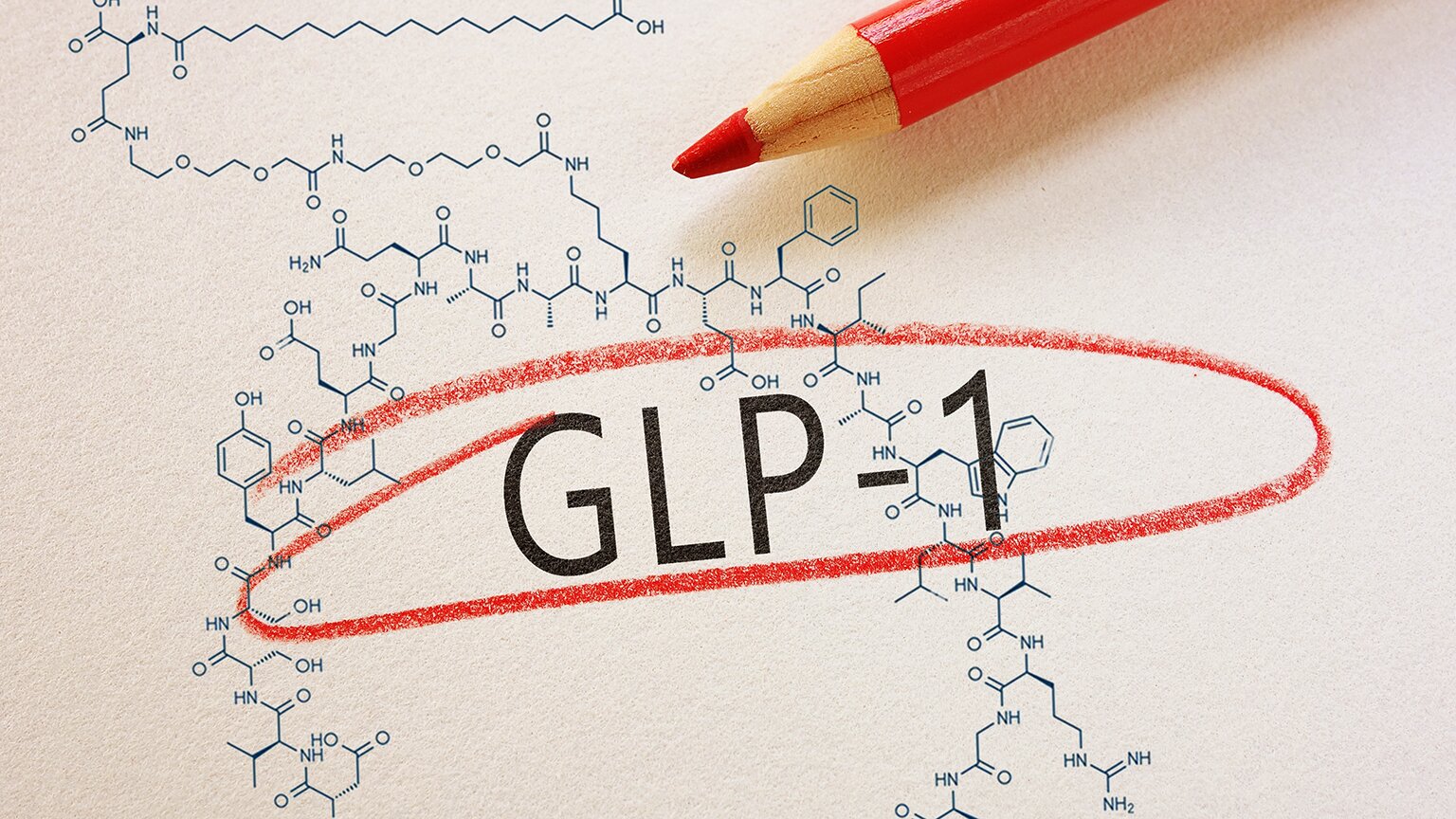
The FDA approved a 7.2-milligram injectable version of Wegovy in March 2026, with Novo Nordisk planning to launch it in April. Clinical trials showed patients lost an average of 20.7 percent of their body weight after 72 weeks on the higher dose. The approval is the first GLP-1 treatment processed under the FDA's new national priority voucher plan.
Therapists at Kaiser Permanente in Northern California and the Central Valley held a 24-hour strike in March 2026, partly in protest of changes to triage systems they say are paving the way for AI to replace human providers. The action highlights growing tension between the promise of AI-assisted mental health care and concerns about patient safety and workforce displacement.
The Trilith Foundation announced its 2026 Mental Health Awareness Month campaign, titled Human Flourishing: Stories of Hope, Healing, and Possibility. The initiative focuses on real-life stories of people who have found ways to live well despite mental health challenges, aiming to reduce stigma and encourage earlier help-seeking.
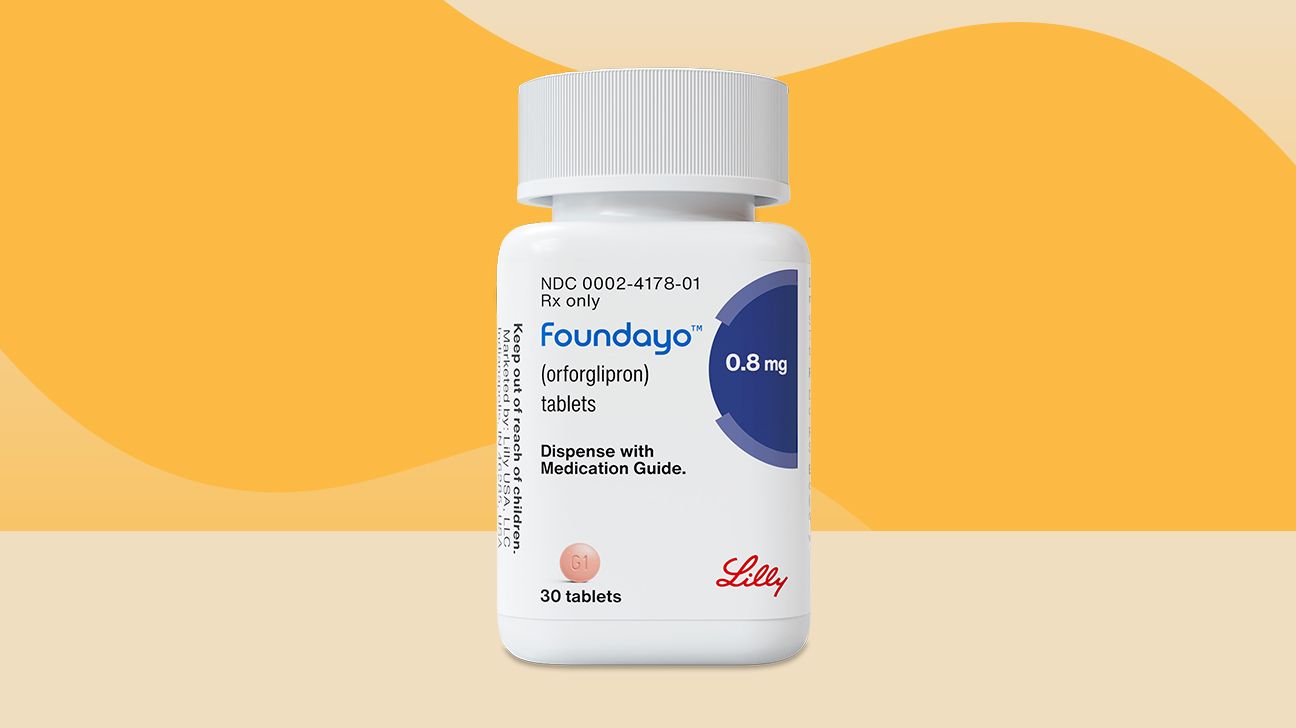
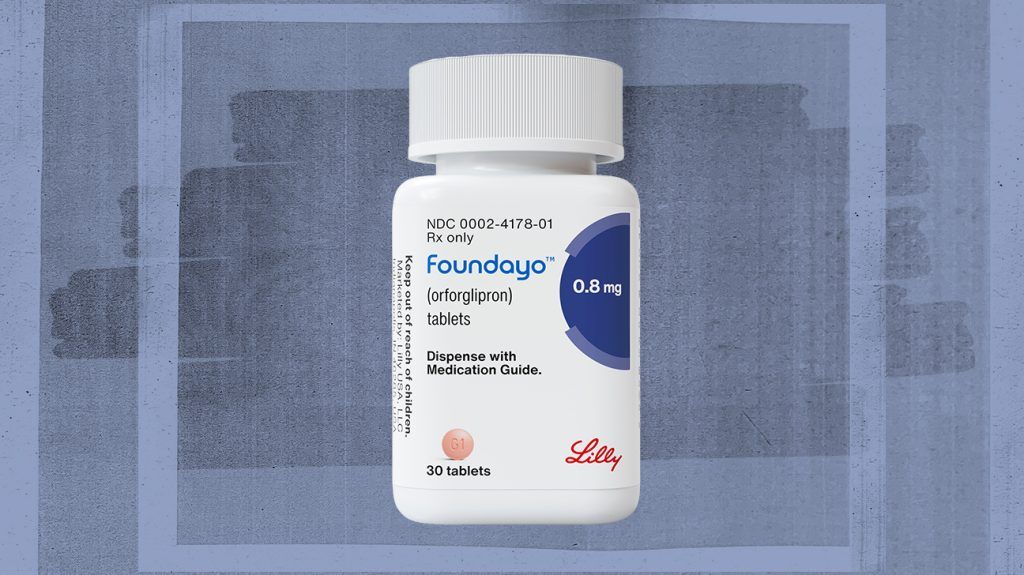
The FDA approved Foundayo, a once-daily oral GLP-1 tablet, for weight loss on April 7, 2026. The pill, developed by Eli Lilly, offers an alternative to injectable GLP-1 medications like Ozempic and Wegovy, and is expected to make weight-loss treatment more accessible for patients who prefer not to use injections.
The FDA approved Eli Lilly's Foundayo (orforglipron) on April 1, 2026, making it the first oral GLP-1 medication that can be taken at any time of day without food or water restrictions. Clinical trials showed an average weight loss of 27.3 pounds over 72 weeks at the highest dose.
Mental health care providers at Kaiser Permanente in Northern California and the Central Valley went on strike in March 2026, protesting the downsizing of triage systems and what they described as a move toward AI replacing clinical roles. Kaiser confirmed it is testing AI tools from Limbic to assist members in accessing care.
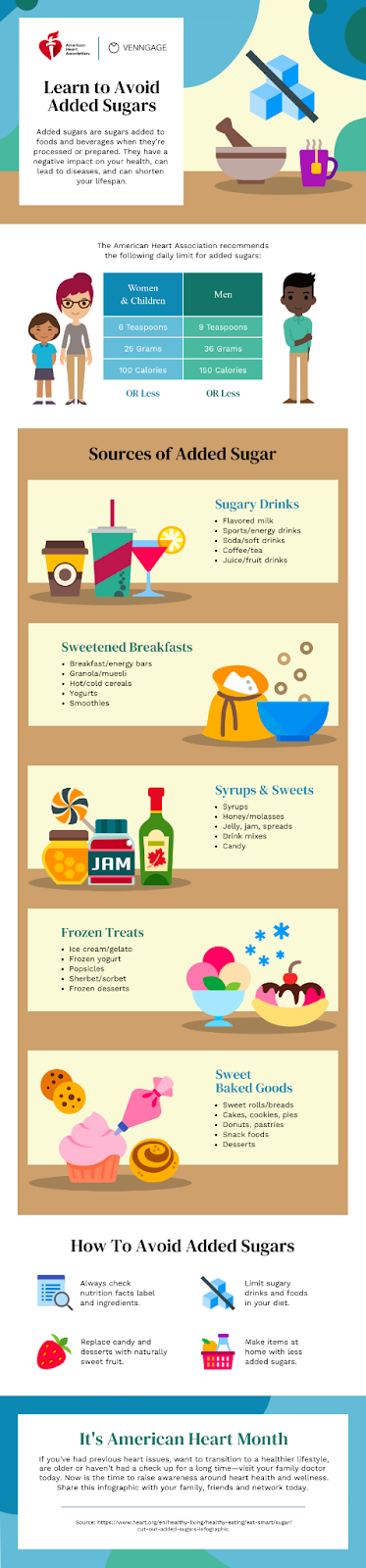
The American Heart Association released new dietary guidelines on April 2, 2026, identifying nine specific steps individuals can take to reduce their risk of heart disease. The guidelines emphasize diet quality, physical activity, and managing key health markers like blood pressure and cholesterol.
A Washington Post report published April 8, 2026, highlights research connecting regular gardening to improved cognitive health. The activity is among several lifestyle factors, including exercise and sleep, that researchers say can help preserve brain function as people age.
Federal regulators approved a higher-dose version of the weight-loss drug Wegovy in April 2026, along with a new once-daily oral GLP-1 tablet called Foundayo. The approvals expand options for patients managing obesity, though researchers note that stopping GLP-1 drugs may reverse their cardiovascular benefits.
A new report from Spring Health released on April 9, 2026, found that nearly two-thirds of HR leaders have seen an increase in mental health-related leaves of absence over the past year. The report identifies sleep problems as the top mental health challenge for employees, with financial stress also rising sharply.
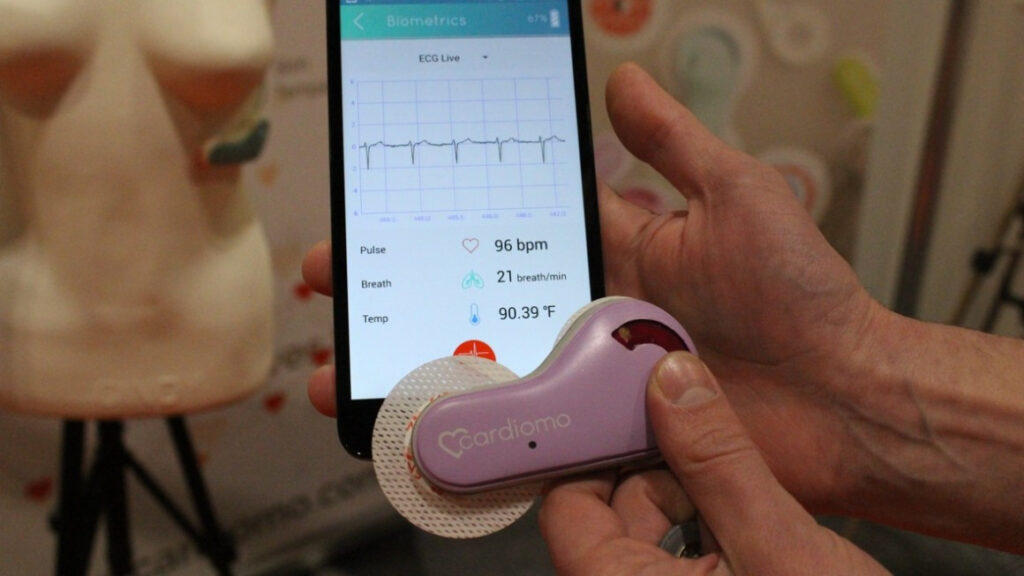
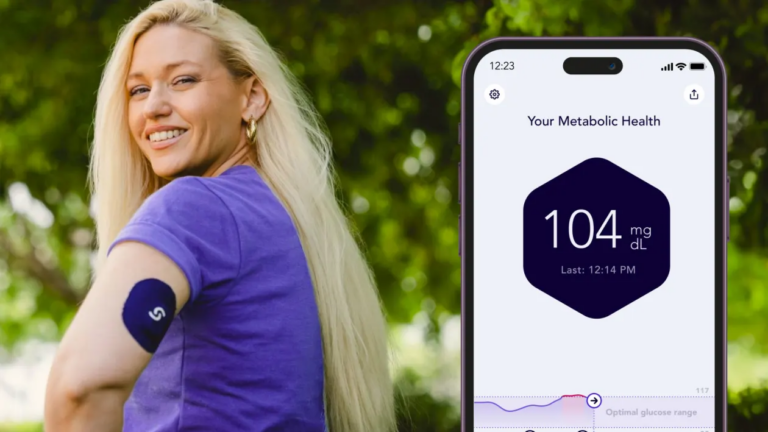
Health and wellness in 2026 is being shaped by a powerful convergence of personalized medicine, advanced diagnostics, and technology integration. From biological age testing and gut microbiome personalization to AI-assisted healthcare and the mainstreaming of wearable devices, individuals are taking a more proactive and data-driven approach to their well-being.
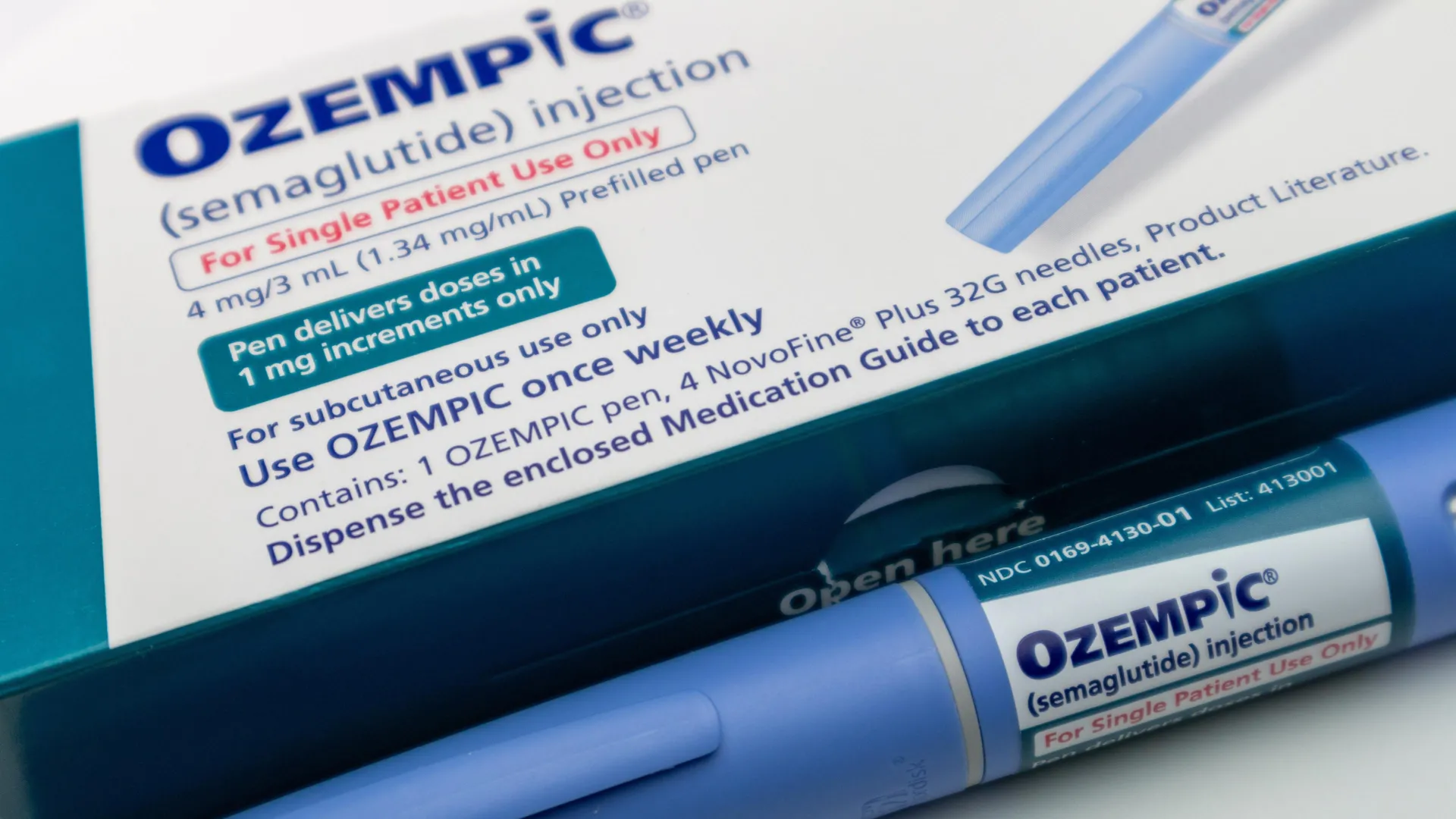
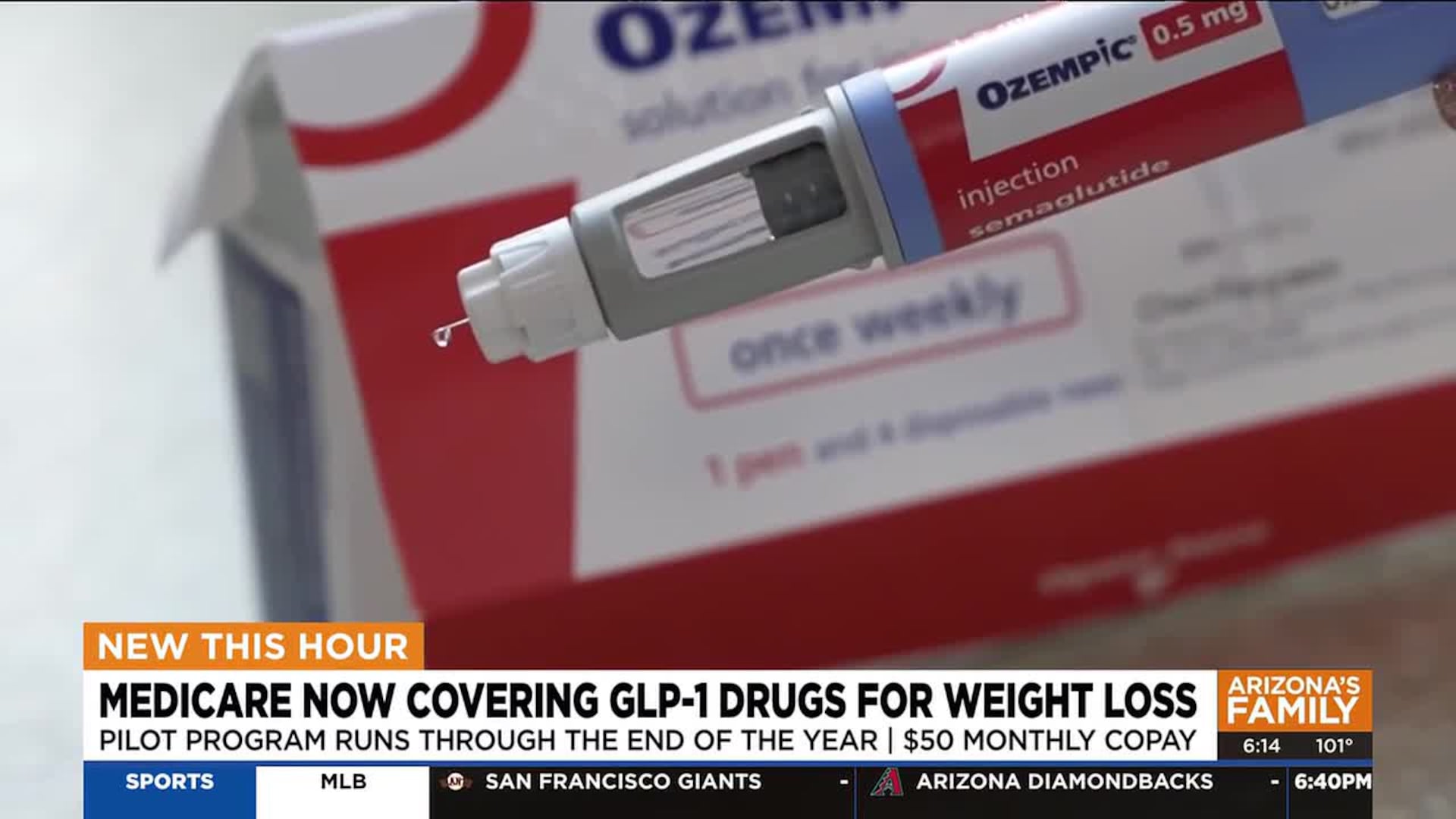
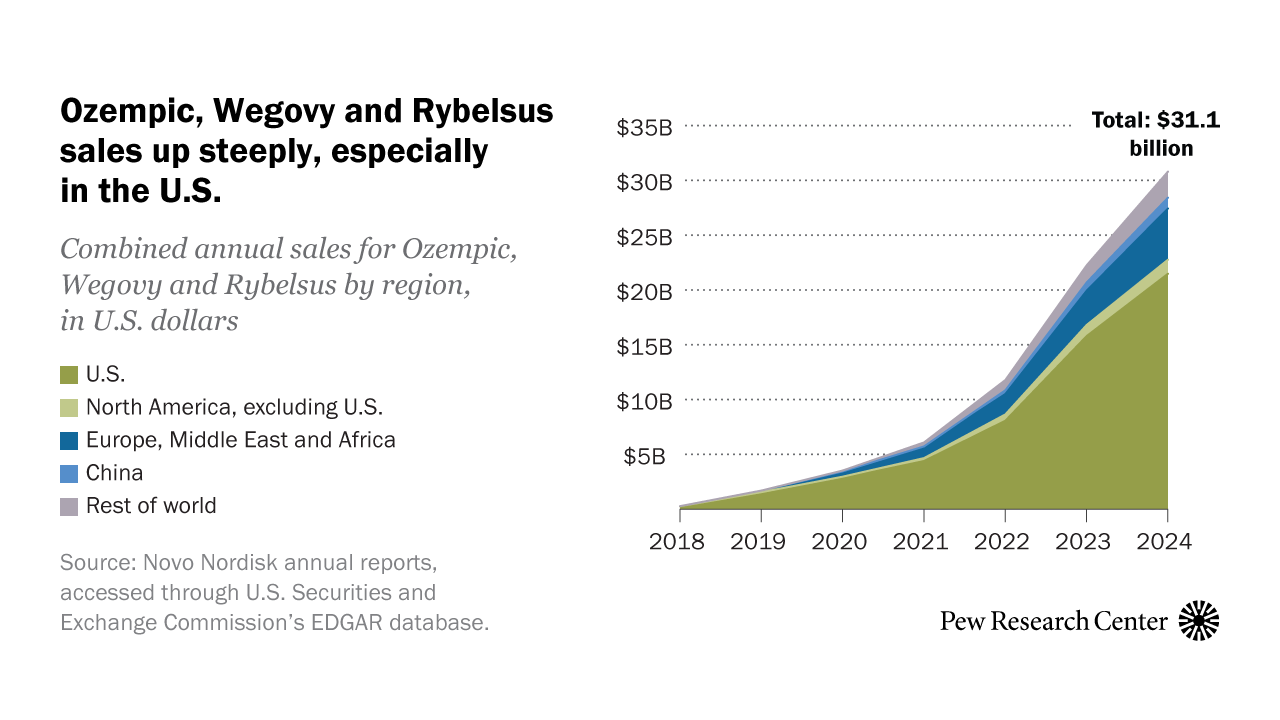
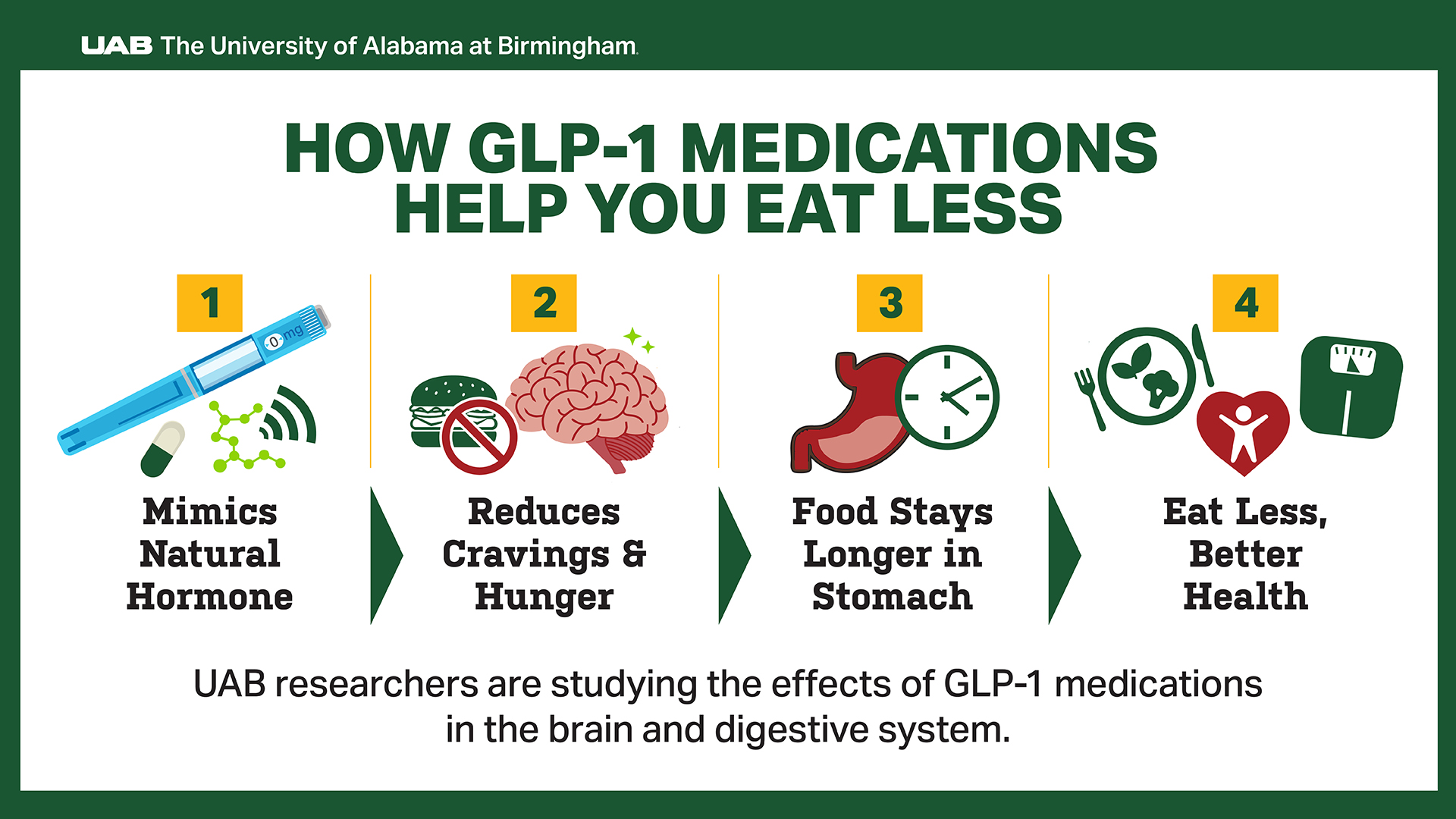
New research shows that GLP-1 medications like Ozempic and Wegovy may offer significant mental health benefits in addition to their well-known effects on weight loss and diabetes management. A large study found meaningful reductions in depression, anxiety, and psychiatric-related hospital visits among users, sparking new interest in these drugs as potential mental health treatments.
The Black Health Matters Foundation has launched its national Our Health Our Wellness campaign for April 2026, a month-long observance designed to improve health outcomes and empower under-resourced communities. The campaign addresses key health topics including Alzheimer's, cancer, heart health, mental health, and vaccinations through events, webinars, and community outreach.
A new Washington Post report published April 8, 2026 reveals that gardening may be one of the most beneficial activities for brain health, challenging the brain and reducing stress in ways that may help stave off cognitive decline. The simple springtime activity engages multiple cognitive functions simultaneously, from planning and problem-solving to sensory stimulation. Experts say gardening's combination of physical activity, mental engagement, and stress reduction makes it a powerful tool for maintaining mental sharpness as we age.
The Black Health Matters Foundation launched its "Our Health Our Wellness (OHOW)" National Campaign in April 2026, aiming to improve health outcomes and empower under-resourced communities. The initiative addresses priority health areas including Alzheimer's, Cancer, Chronic Kidney Disease, Heart Health, Mental Health, and Vaccinations. The campaign includes webinars on vaccinations and cancer prevention, along with mobile mammography events.
Artificial intelligence tools are rapidly entering the mental health care workforce, with large health systems and independent therapists adopting AI for administrative tasks and patient support. However, a March 2026 strike by 2,400 Kaiser Permanente mental health providers spotlighted growing fears about AI replacing human clinicians. Experts warn that while AI can improve efficiencies, no digital solution can replace human-driven psychotherapy.
April 2026's Stress Awareness Month is highlighting a significant cultural shift as Americans, particularly Gen Z, move away from the 'always-on' lifestyle toward analog activities and intentional rest. A 2024 Gallup poll found that nearly half of Americans frequently feel stressed, driving demand for stress-reduction strategies. Mental health experts are encouraging mindfulness, digital detox, and community connection as antidotes to chronic stress.
New research published in April 2026 suggests that exercising at higher intensities, rather than simply increasing duration, may dramatically lower the risk of developing Type 2 diabetes. The study found that combining walking with strength training and other activities is more effective than walking alone. Health experts are updating exercise recommendations to emphasize intensity alongside duration.
The FDA approved Foundayo, a new once-daily oral GLP-1 pill, as an alternative to injectable Wegovy for weight loss on April 7, 2026. The approval marks a significant milestone in making weight-loss medications more accessible and convenient for patients. Health experts say the pill form could dramatically increase the number of people who benefit from GLP-1 therapy.
A new study published in April 2026 found that approximately half of the content about ADHD and autism on TikTok contains misleading or inaccurate information. Researchers and health professionals are raising alarms about the potential harm of health misinformation spreading through social media platforms.
The American Heart Association has released updated dietary guidelines outlining nine evidence-based steps that can significantly reduce the risk of cardiovascular disease. The guidelines emphasize whole foods, reduced processed food consumption, and specific dietary patterns proven to support heart health.
A new study published in April 2026 reveals that young adults aged 30 to 40 with high blood pressure face a significantly higher risk of developing heart and kidney disease later in life. Health experts are urging earlier screening and intervention for hypertension in younger populations.
The Black Health Matters Foundation (BHMF) launched its national ''Our Health Our Wellness'' (OHOW) campaign in April 2026, targeting Alzheimer''s, cancer, chronic kidney disease, heart health, mental health, and vaccinations in under-resourced communities. The campaign kicked off at the American Cardiology Conference in New Orleans and includes a series of webinars through April.
April 2026 marks Stress Awareness Month with the theme ''Be the Change,'' as surveys show 38% of Americans plan mental health resolutions this year, a 5% increase from 2024. UCLA Health psychologists and the American Psychiatric Association offer nine evidence-based strategies including play, physical movement, sleep prioritization, and social connection to combat rising anxiety levels.
The Global Wellness Summit''s 2026 Trends report identifies neurowellness, women''s longevity, and a backlash against over-optimization as the defining wellness movements of the year. The report highlights a shift from performance metrics toward emotional repair, nervous-system safety, and embodied care, with longevity residences and microplastics awareness emerging as major new categories.
The Global Wellness Summit has identified neurowellness, longevity, sleep optimization, and community-focused wellness as the top health trends shaping 2026. The report highlights a shift from reactive care to proactive health training, with AI-assisted health monitoring, advanced diagnostics, and personalized microbiome testing becoming mainstream. Experts also warn of a reckoning with ultra-processed foods and the growing importance of muscle mass as a metabolic health marker.
More than one in three Americans (38%) are planning mental health-related resolutions for 2026, a 5% increase from the previous year, according to the American Psychiatric Association. Younger adults aged 18-34 are leading the trend, with 58% reporting such plans. The APA's April 2026 journals also spotlight new research on cannabis use disorder, AI-driven therapy, and stigma reduction for Black and Latinx youth.
The Black Health Matters Foundation launched its 'Our Health Our Wellness' (OHOW) national campaign in April 2026, targeting health disparities in under-resourced communities through prevention, intervention, and increased access to resources. The campaign addresses critical health areas including Alzheimer's, cancer, heart health, diabetes, and mental health, with events and webinars throughout the month. CEO Roslyn Y. Daniels says the goal is to empower communities to take charge of their health and have informed conversations with their doctors.

The American Psychiatric Association's April 2026 journal releases highlight significant advances in mental health research, including new findings on cannabis use disorder, stigma reduction among Black and Latinx youth, and AI-driven cognitive behavioral therapy. Research also examines the mental health impacts of short-form video consumption and the growing use of digital therapeutics. A federally funded study found that cognitive speed training reduces dementia risk by approximately 25% over two decades.
The Global Wellness Summit and leading health experts have identified key trends transforming health and wellness in 2026, including neurowellness and nervous system regulation, longevity and metabolic health, advanced diagnostics, and the 'festivalization' of wellness. AI-assisted health monitoring is becoming a collaborative partner in managing personal health, while the ultra-processed food reckoning is driving a cultural shift toward whole foods. Sleep optimization has emerged as a critical pillar of long-term health.


April marks Stress Awareness Month, and mental health experts are highlighting the growing burden of stress on Americans, particularly among adults aged 25 to 34. With the 2026 theme 'Be the Change,' the campaign encourages individuals to take personal ownership of their stress management and seek proactive support. Experts recommend mindfulness, counseling, and community connection as key tools for building resilience.
The Black Health Matters Foundation has launched 'Our Health Our Wellness' (OHOW), a month-long national campaign in April 2026 aimed at improving health outcomes in underserved communities. The campaign addresses priority health areas including Alzheimer's, cancer, heart health, mental health, and vaccinations, with events and webinars scheduled throughout the month. The initiative reflects a growing commitment to health equity and community-centered wellness.


Compass Pathways' COMP360 psilocybin therapy achieved its primary endpoint in the Phase 3 COMP006 trial for treatment-resistant depression, showing a statistically significant reduction in symptom severity. The breakthrough adds to a growing pipeline of innovative mental health treatments advancing through clinical trials in 2026.
The Global Wellness Summit released its annual Future of Wellness report identifying 10 key trends for 2026, including the rise of neurowellness, a backlash against over-optimization, women's longevity health, and disaster preparedness as preventative wellness. The report signals a major shift toward complete, human-centered health approaches.
A new American Psychiatric Association poll reveals that 38% of Americans plan to make mental health-related New Year's resolutions for 2026, a 5% increase from the prior year. The trend is especially strong among younger adults, with 58% of those aged 18-34 prioritizing mental wellness.
Microplastics are no longer solely an environmental concern, they are now a direct human health crisis, detected in human blood, lungs, placentas, and even the brain. Early research links microplastic exposure to inflammation, hormonal disruption, cardiovascular disease, and potential cognitive effects, prompting the wellness and medical sectors to develop new interventions.
A major shift is underway in health and wellness as people push back against extreme data-driven optimization in favor of more human, joyful approaches. The Global Wellness Summit's 2026 trends report highlights neurowellness, women's longevity, and community-driven wellness as the defining movements reshaping how people think about health.
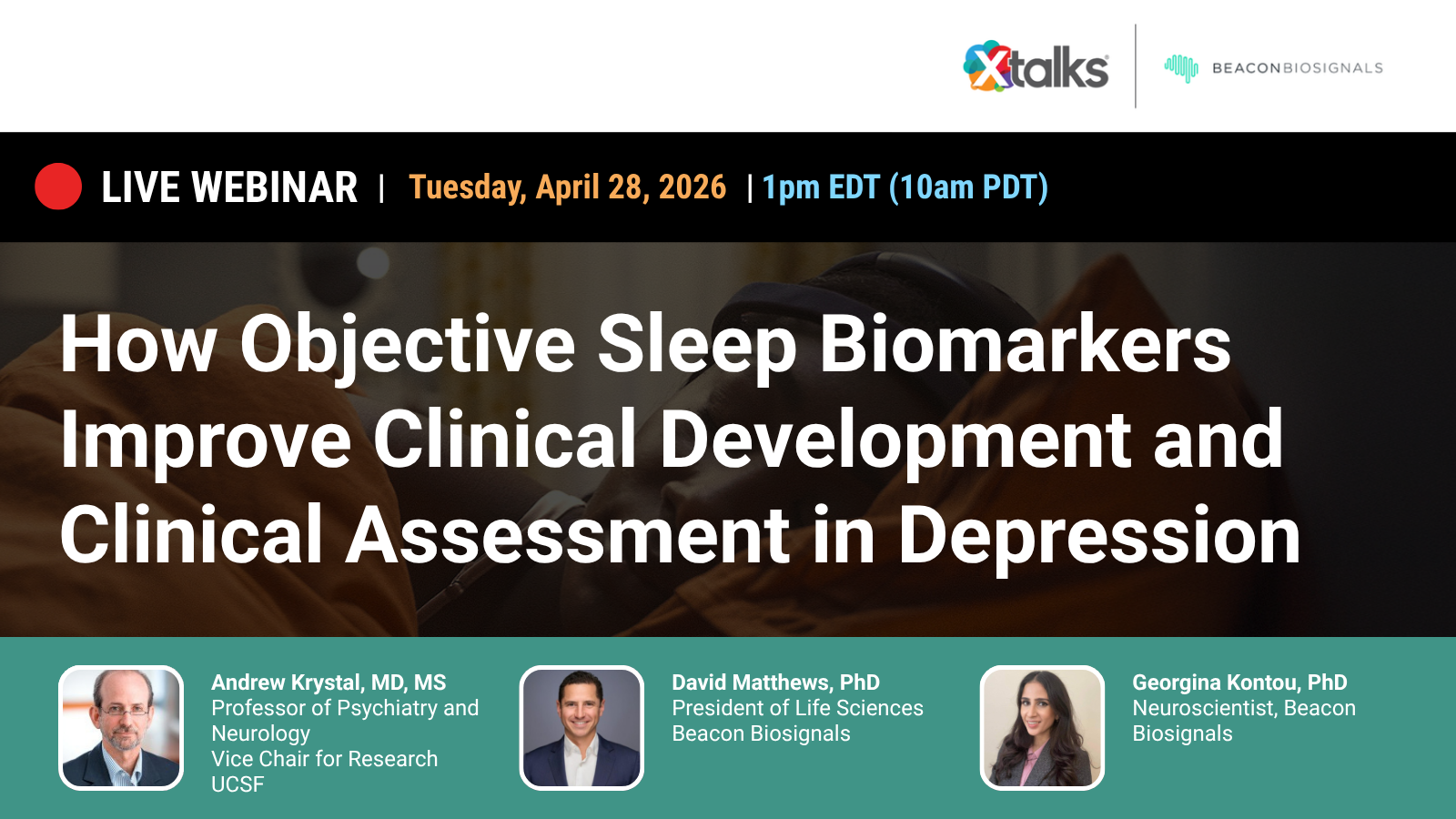
The American Psychiatric Association is considering incorporating biomarkers into future editions of the Diagnostic and Statistical Manual of Mental Disorders, potentially revolutionizing how mental illness is diagnosed and treated. Experts call it 'the beginning of a revolution' that could reduce trial-and-error prescribing and lead to more personalized psychiatric care.
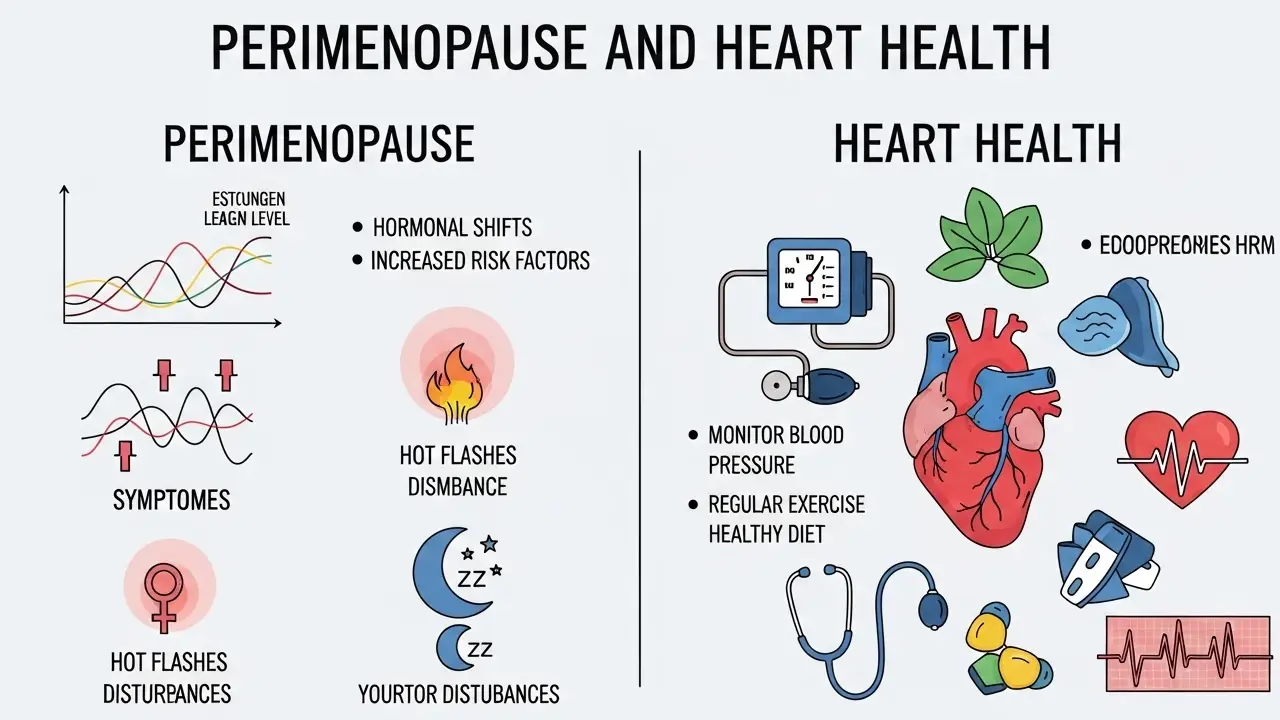
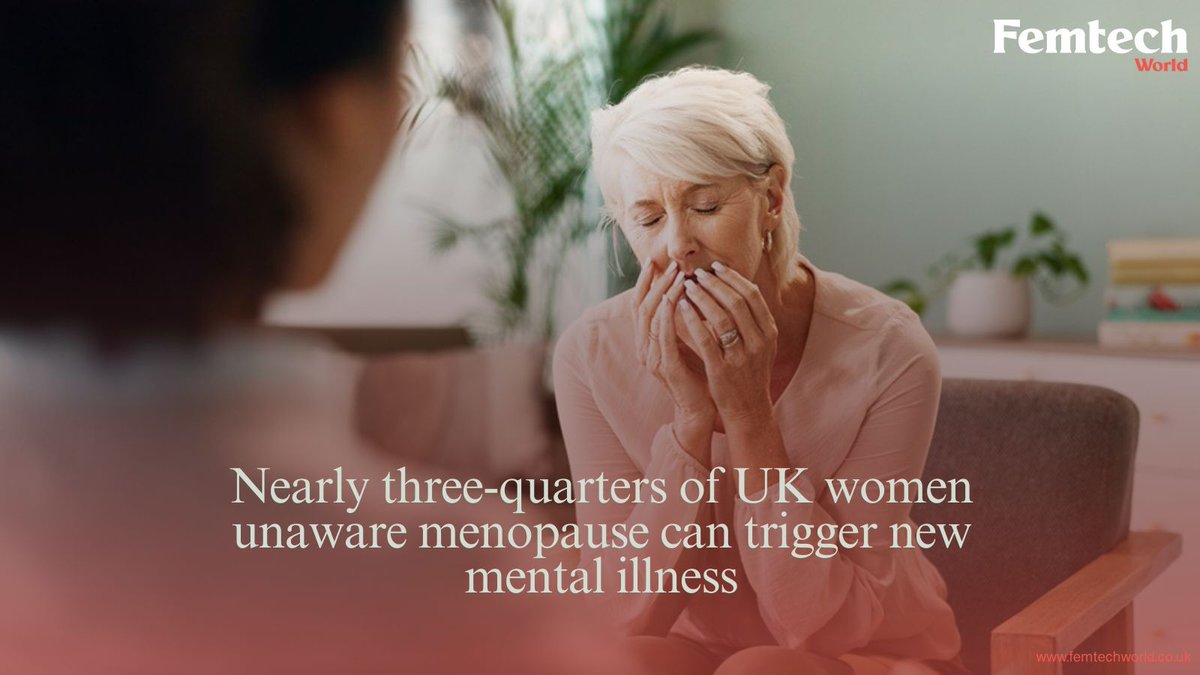
Almost two-thirds of women over 50 struggle with their mental health, with anxiety, sleep problems, and menopause being major factors. Suicide rates for women peak between ages 45-54, coinciding with perimenopause and menopause, yet many don't seek help.
A landmark jury ruling finds Meta and YouTube negligent for designing addictive features that harm young users' mental health. The decision could reshape AI regulation and social media's responsibility for protecting youth.
Health experts outline eight foundational habits for optimal well-being in 2026, from balanced nutrition to social connections. Small, consistent changes can lead to meaningful health benefits that grow over time.
A recent study found that morning exercise may help lower cardiometabolic risk. The findings suggest that exercising between 7 and 8 a.m. May help reduce the risk of obesity and Type 2 diabetes.
Researchers say that modest changes, such as 11 more minutes of sleep per night and 5 additional minutes of exercise per day, can significantly lower the risk of cardiovascular disease.
A recent study has found that eating the same 'go-to' meals each day may help people lose more weight. The findings suggest that consistent calorie intake through repetitive meal patterns can support weight loss goals.
The World Happiness Report reveals concerning connections between social media use and mental health, particularly among teenagers and young adults, prompting calls for digital wellness strategies.
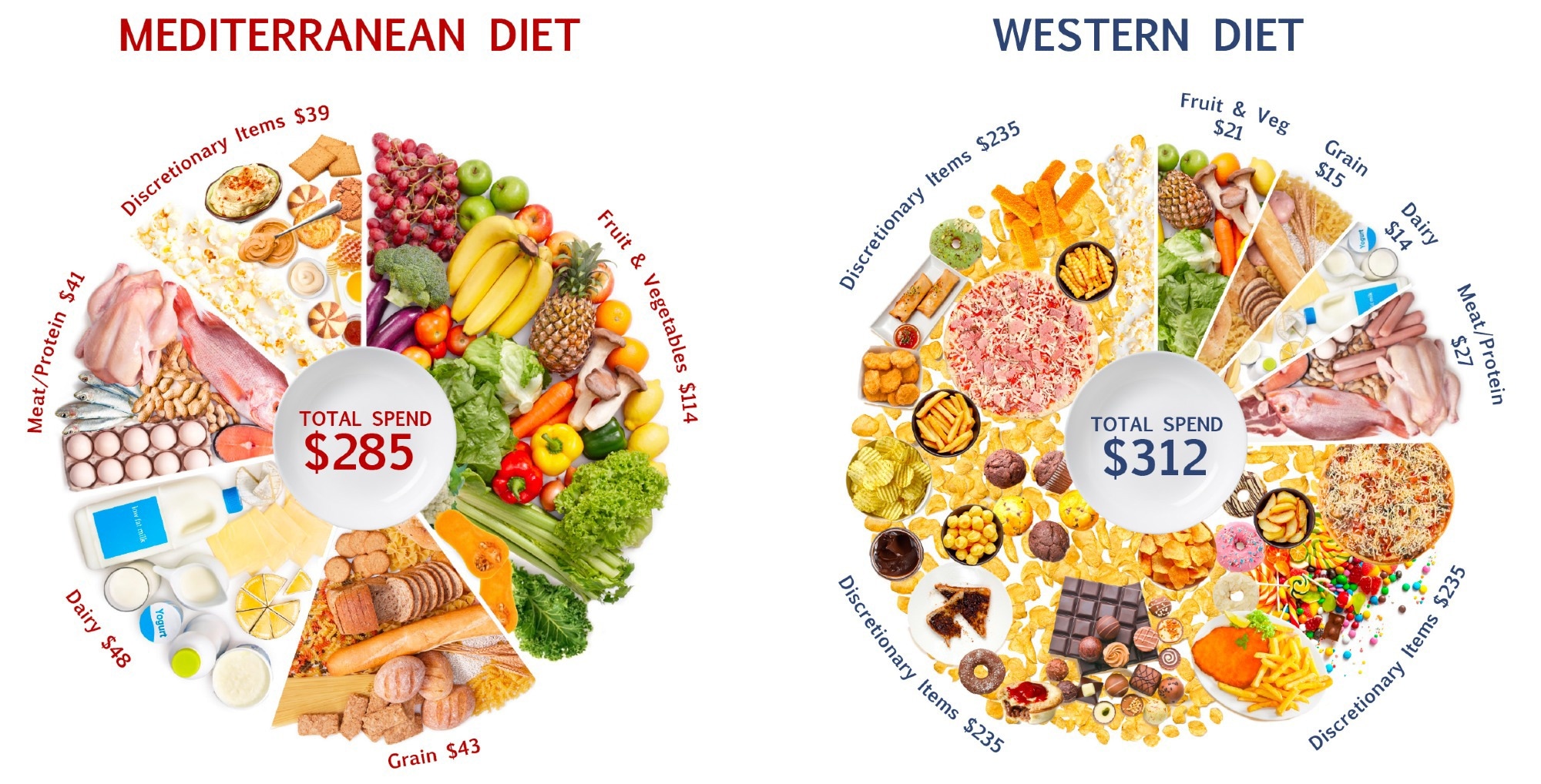
Research continues to support the Mediterranean diet's role in promoting longevity and reducing disease risk, with new findings showing significant health benefits across multiple age groups.
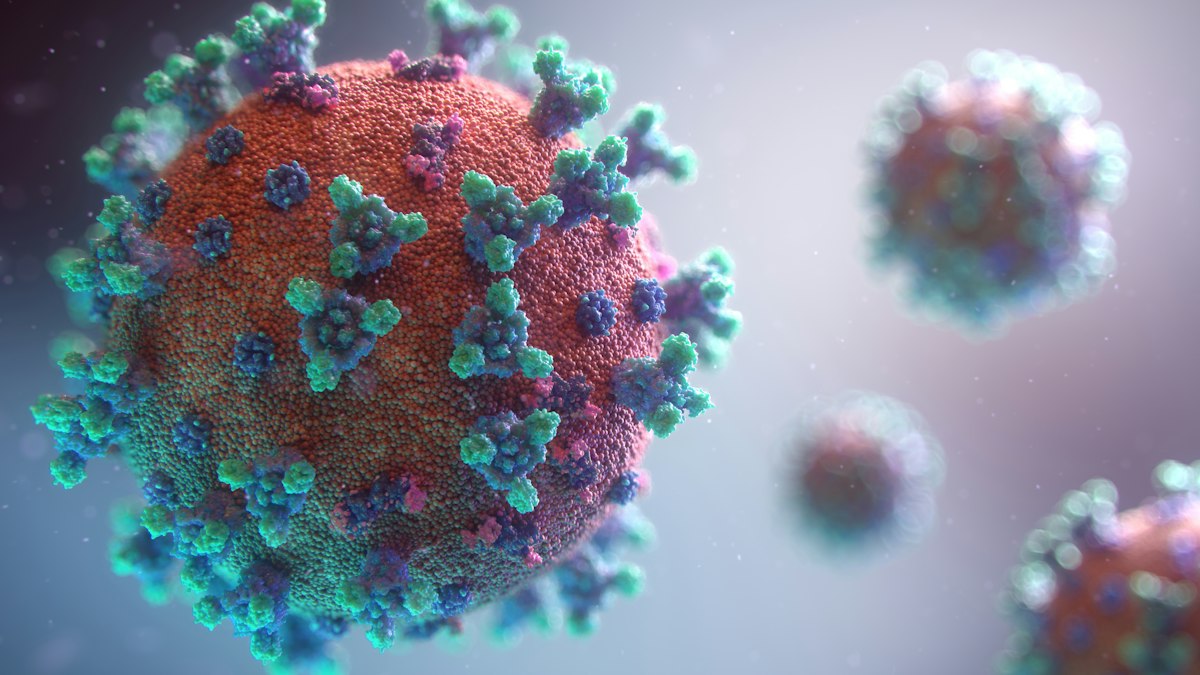
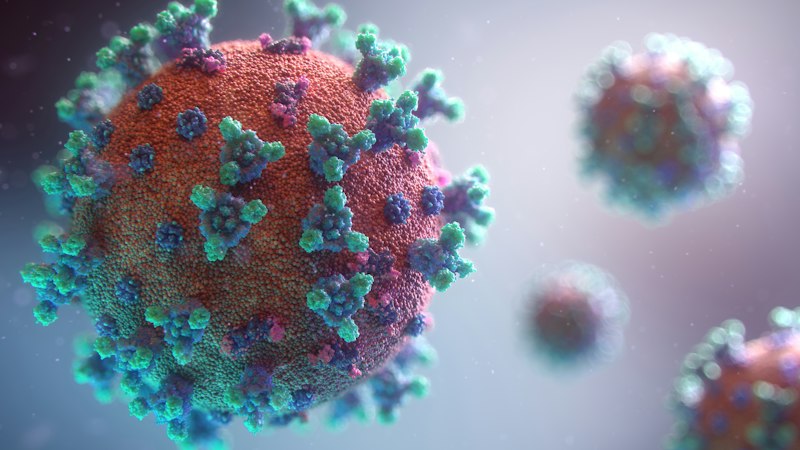
A highly mutated COVID variant named 'Cicada' (BA.3.2) is spreading in the United States, prompting health officials to monitor symptoms and transmission patterns closely.
UCLA Health psychologist shares evidence-based strategies including physical activity, adequate sleep, reduced screen time, and self-compassion to boost happiness and reduce stress.
The American Psychiatric Association is considering incorporating biomarkers into future versions of the DSM to improve diagnostic accuracy and treatment efficacy for mental health conditions.
Over one in three Americans (38%) plan mental health-related New Year's resolutions, up 5% from last year, with younger adults leading the trend at 58%.

New research suggests that Vitamin B3 may help treat metabolic-associated fatty liver disease, offering hope for millions affected by this increasingly common condition.
Arizona veterans and community members are participating in a yearlong trail challenge that uses outdoor therapy to help people destress and heal, especially after military service.
A new survey reveals that almost two-thirds of women over 50 struggle with mental health, driven by life events, hormonal changes, and societal pressures, with many not seeking help.
New AI-powered blood tests can predict Alzheimer's disease up to 25 years before symptom onset, offering hope for early intervention and prevention.
More than one in three Americans plan mental health-related New Year's resolutions for 2026, with younger adults leading the trend at 58%.
New research reveals GLP-1 drugs like Ozempic may help with chronic migraines and osteoarthritis, but stopping them could reverse cardiovascular benefits.
Health experts share actionable tips for 2026, including short exercise bursts, omega-3s and fiber, mindful breathing, social connections, hydration, learning new skills, and stress management.
Psychiatrists are considering incorporating biomarkers into mental health diagnoses, potentially revolutionizing how mental illnesses are diagnosed and treated.
Stanford Medicine experts reveal that choices made in early adulthood lay the groundwork for health at 50, 60, and beyond, emphasizing strength training, cardio, nutrition, sleep, and stress management.
A 2025 review in the Lancet Journal Health reveals that untreated mental health conditions like depression, schizophrenia, and PTSD dramatically increase cardiovascular disease risk in adults over 50.
A significant 38% of Americans plan mental health-related New Year resolutions in 2026, marking a 5% increase from the previous year.
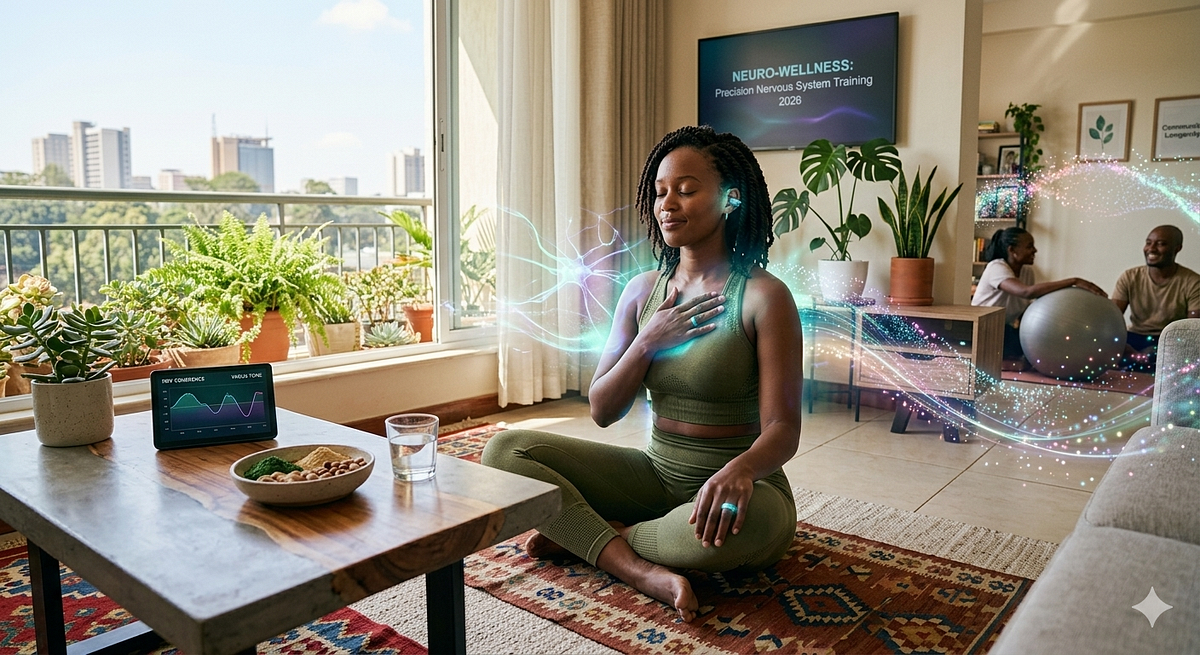
Neurowellness, focusing on regulating the nervous system to prevent breakdown, is becoming a critical area as modern life keeps many in chronic fight-or-flight mode.
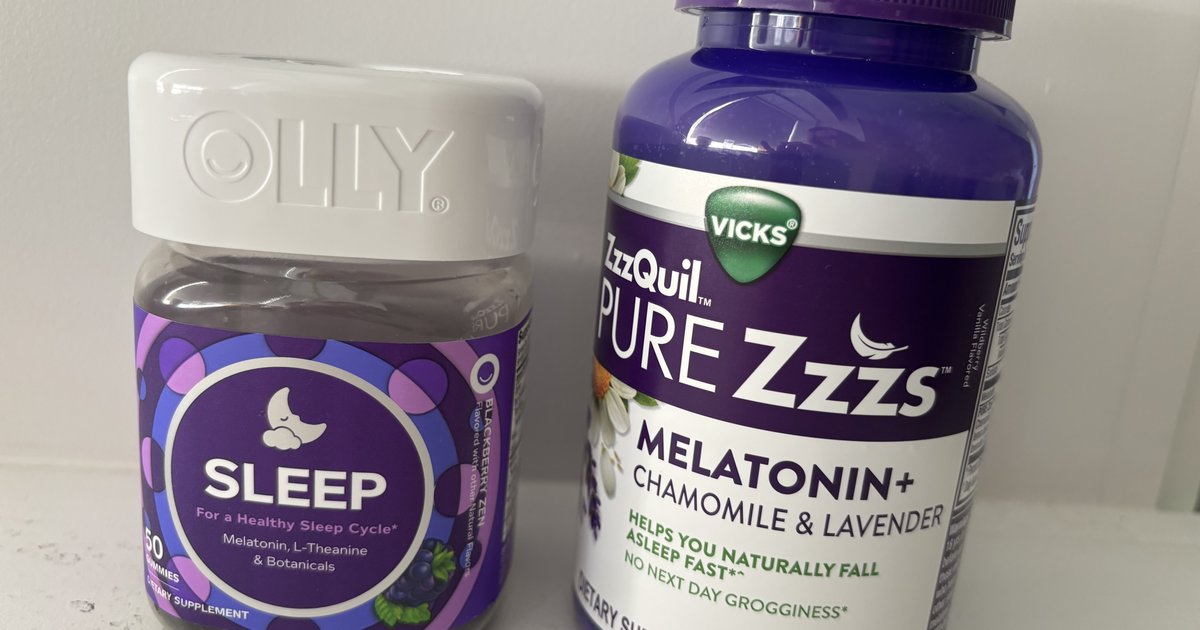
Experts explore the bidirectional relationship between sleep and mental health, emphasizing the importance of good sleep hygiene for emotional well-being.
New research suggests that following a Mediterranean diet may be linked to increased longevity and better overall health outcomes.
Updated cholesterol guidelines suggest earlier screening and treatment, potentially impacting individuals as young as their 30s to prevent cardiovascular disease.
Significant gender inequities in the longevity and sports markets are being addressed, with a focus on women's specific health needs and the recognition that women age differently than men.
A sweeping review of cannabis studies over the past 45 years concludes there is little to no high-quality evidence showing cannabis is effective for treating mental health conditions like anxiety, PTSD, or depression.
A prominent trend in March 2026 is a pushback against the intense, high-tech pursuit of longevity and optimization, with individuals seeking more 'lo-fi, sensory-igniting fun' and wellness experiences that prioritize pleasure over clinical data.
New research shows that supervised group aerobic exercise significantly reduces depression and anxiety, with particularly strong effects for young adults and postnatal women.
Regulating the nervous system is identified as a new health priority, with neuroscience-based practices helping people manage chronic stress and build resilience in an overstimulated world.
The longevity market is pivoting to address women's specific health needs, with new focus on ovarian aging, hormone therapy, and strength training as key factors in women's healthspan.
A large, decades-long study suggests that signs of ADHD in childhood may have consequences that extend well beyond school and behavior, with researchers following nearly 11,000 people from childhood into midlife.
Scientists at MIT are exploring transcranial focused ultrasound, a noninvasive tool that may help crack the mystery of how the brain turns physical activity into thoughts, feelings, and awareness.
A new international study points to a specific brain network as the core driver of Parkinson disease, finding that this network becomes overly connected, disrupting not just movement but also thinking and other bodily functions.
Microplastics are now recognized as a direct human health concern in 2026, found in human blood, lungs, placentas, and brains. Research links exposure to inflammation, hormonal disruption, and cardiovascular disease.
The longevity market is pivoting to focus on women's health in 2026, recognizing that women age fundamentally differently than men. The decline of ovarian function is identified as central to women's systemic aging.
Regulating the nervous system is emerging as a critical frontier in human health for 2026. New approaches use neuroscience, behavioral science, and technology to train the nervous system for regulation and resilience.
A recent study found that older adults who take a daily multivitamin may slow their biological aging by up to 4 months, offering a simple intervention for healthy aging.
The American Psychiatric Association is considering incorporating biomarkers into future versions of its Diagnostic and Statistical Manual of Mental Disorders, potentially revolutionizing how mental illnesses are diagnosed and treated.
A new poll shows 38% of Americans plan mental health-related New Year resolutions in 2026, with younger adults leading the trend at 58%.
The American Psychiatric Association is exploring how to incorporate biomarkers into mental health diagnoses, potentially revolutionizing how conditions like depression and schizophrenia are diagnosed and treated.
The Mediterranean Diet continues to be recognized by experts as one of the best dietary patterns.
Alarming new data shows that colorectal cancer is on the rise among younger adults.
Recent studies are highlighting the link between menopause and the onset of new mental health conditions in women.