Melatonin May Ease Chronic Pain as Well as Common Painkillers, Study Finds
A systematic review published June 30, 2026, in the journal PAIN found that melatonin reduced chronic musculoskeletal pain by about nine points on a 100-point scale, comparable to NSAIDs and other standard painkillers. Researchers analyzed data from 2,028 adults across 23 randomized controlled trials.
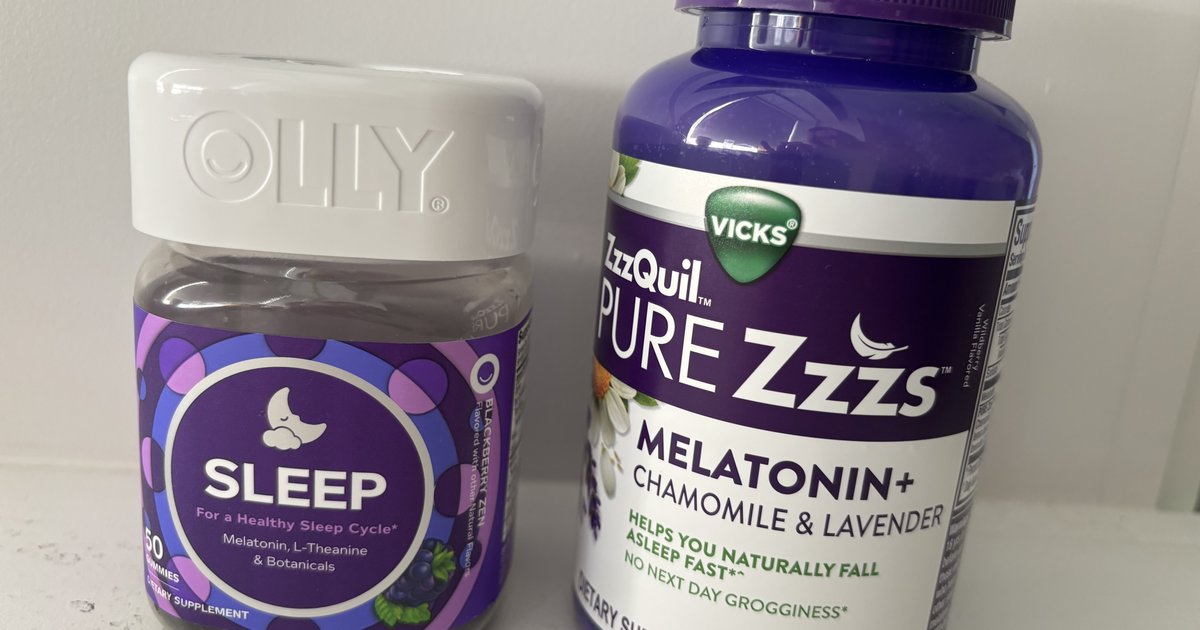
Melatonin may be as effective as common over-the-counter painkillers for managing chronic musculoskeletal pain, according to a systematic review published June 30, 2026, in the journal PAIN.
Researchers at the University of Sydney analyzed data from 2,028 adults across 23 randomized controlled trials conducted in the United States, Russia, Brazil, Egypt, and China. The review focused on conditions including low back pain, osteoarthritis, and fibromyalgia.
For chronic musculoskeletal pain, melatonin reduced pain intensity by about nine points on a 0-100 scale. The most rigorous trials showed reductions closer to 10 points. Researchers said this level of relief is comparable to what patients typically get from NSAIDs, paracetamol, and opioids.
Melatonin also improved sleep quality in patients with chronic pain, which researchers said is a meaningful secondary benefit. Sleep problems and chronic pain often make each other worse, so a treatment that addresses both is clinically useful.
The results for post-surgical pain were less clear. Melatonin showed only a small reduction in acute pain after surgery, with no clear advantage over standard postoperative medications.
Melatonin is generally well-tolerated. Side effects such as nausea, dizziness, and headaches occurred at rates similar to placebo groups. Doses in the reviewed trials ranged from 3 mg to 10 mg, with 3 mg being most common.
Researchers emphasized that melatonin should be used as an add-on therapy, not a replacement for standard pain management. Patients should consult a doctor before starting melatonin, especially if they take other medications.