More Than One in Five Americans Now Use AI Chatbots for Mental Health Support
A 2026 survey found that more than 20 percent of Americans have turned to AI chatbots for mental health support. Users cite anonymity, affordability, and ease of access as the main reasons, though experts warn about the limits of AI-based care.
More than one in five Americans have used AI chatbots for mental health support, according to a 2026 survey by Rula, as people look for accessible and affordable alternatives to traditional therapy.
Users say they turn to AI tools because of the perceived anonymity, lower intimidation compared to seeing a therapist in person, lower cost, and a preference for digital communication. The survey found that 71 percent of AI therapy users have also engaged in traditional therapy, suggesting many see the tools as a supplement rather than a replacement.
Mental health professionals have mixed views on the trend. Some say AI chatbots can help people who would otherwise get no support at all. Others warn that AI tools cannot replace the judgment and empathy of a trained clinician, and that over-reliance on them could worsen feelings of isolation.
The survey also found a gender gap in mental health care. Women are more likely than men to access services, but they report lower improvement rates in therapy, 71 percent compared to 81 percent for men. Women are also more likely to cite difficulty finding the right therapist.
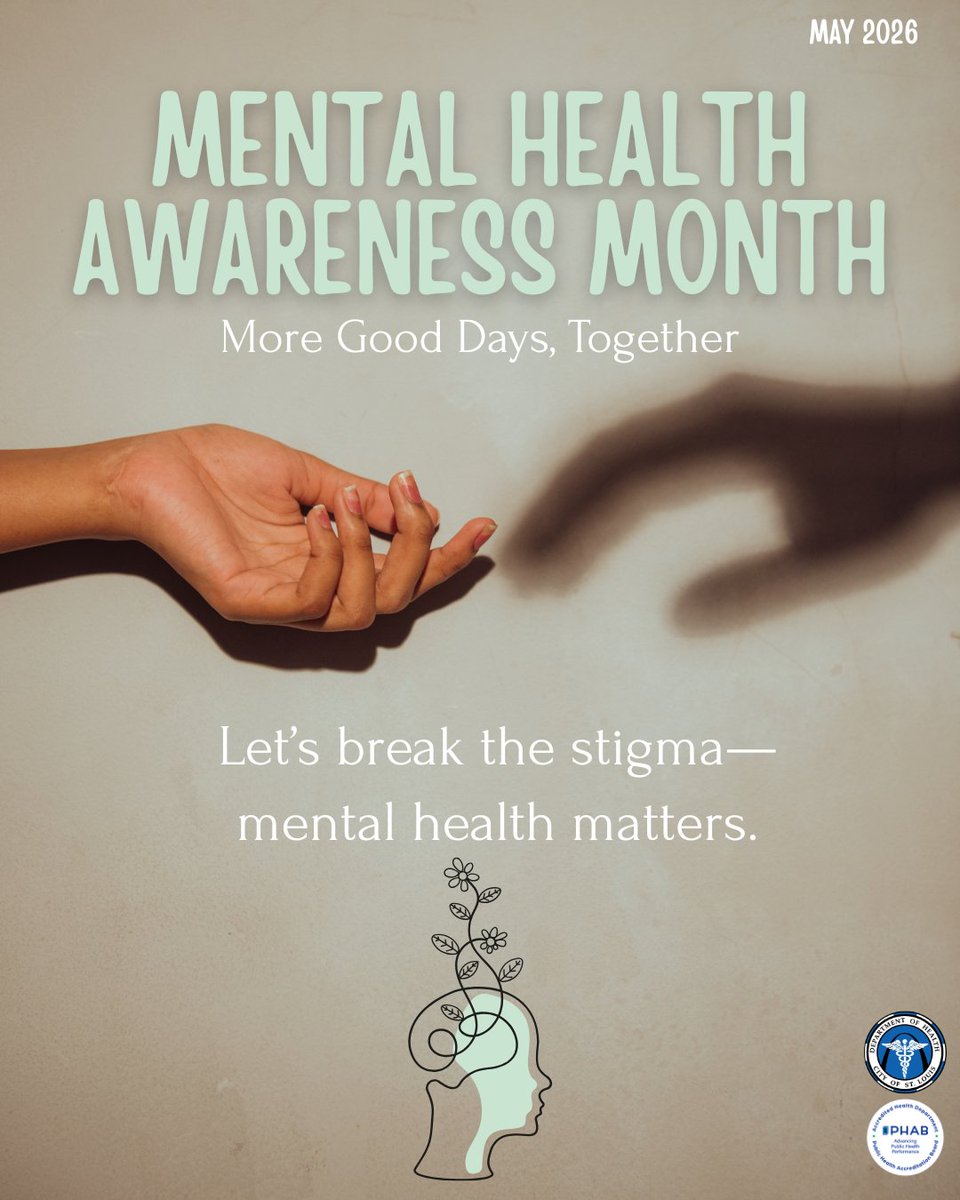
May is Mental Health Awareness Month, with the 2026 theme "More Good Days, Together." The theme encourages people to reflect on what a good day looks like and to support others in their mental health journeys.
The 988 Suicide and Crisis Lifeline provides free, confidential support 24 hours a day, seven days a week. People in crisis can call or text 988 to reach a counselor.