GLP-1 Drugs Help Users Maintain Lower Calorie Intake for Over a Year
New research published in July 2026 found that semaglutide drugs like Ozempic and Wegovy help users maintain reduced calorie intake for more than a year. Separate studies also raised concerns about muscle mass loss in older adults taking the medications.
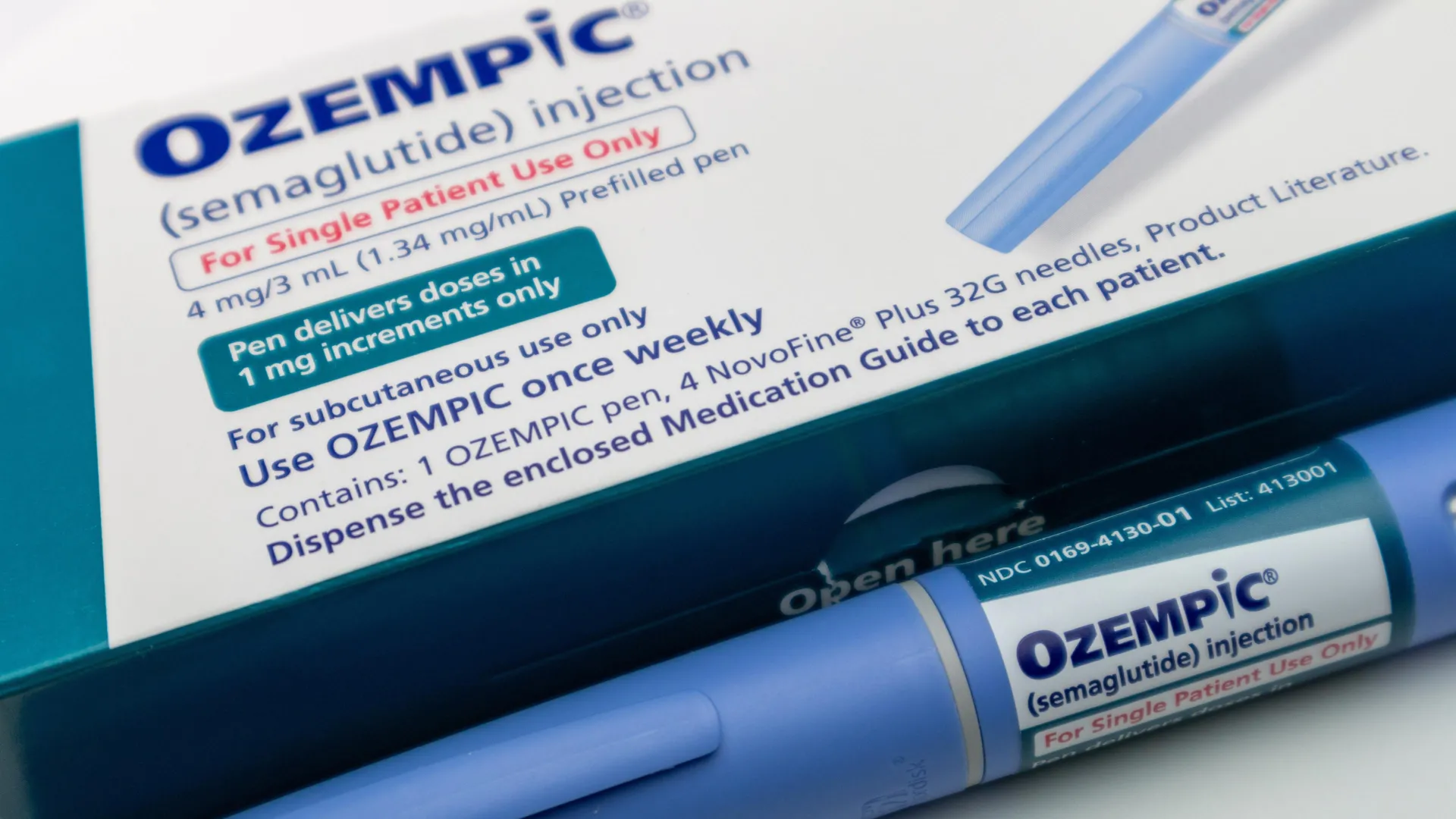
Semaglutide drugs like Ozempic and Wegovy help users maintain lower calorie intake for more than a year, according to new research published in July 2026. The finding supports the long-term effectiveness of GLP-1 medications for weight management.
The study tracked participants over an extended period and found that the appetite-suppressing effects of semaglutide persisted well beyond the initial months of treatment. Researchers said the results suggest the drugs can produce lasting changes in eating behavior, not just short-term reductions.
GLP-1 medications work by mimicking a hormone that regulates appetite and blood sugar. They have become widely used for weight loss and diabetes management, but their long-term effects are still being studied.
Separate research published in the same month raised concerns about the drugs' effects on older adults. Studies found that some users experience significant muscle mass loss alongside fat loss, which can increase the risk of malnutrition and physical weakness in elderly patients. Hair loss was also identified as a potential side effect in some users.
Insurance coverage remains a significant barrier. Many plans do not cover GLP-1 drugs for weight loss, leaving patients to pay out of pocket for medications that can cost hundreds of dollars per month.
Researchers at Stanford Medicine also identified a naturally occurring molecule that suppresses appetite similarly to Ozempic but without several of its common side effects. That compound is still in early research stages and is not yet available as a treatment.