Fruits and Vegetables Have Lost Up to Half Their Nutrients Over 60 Years, Report Finds
A new report called Hollow Harvests found that fruits, vegetables, and cereals have lost up to half of their essential nutrients over the past 60 years. Industrial farming practices and climate change are identified as the primary drivers of the decline. Researchers say the findings have significant implications for public health and dietary guidelines.
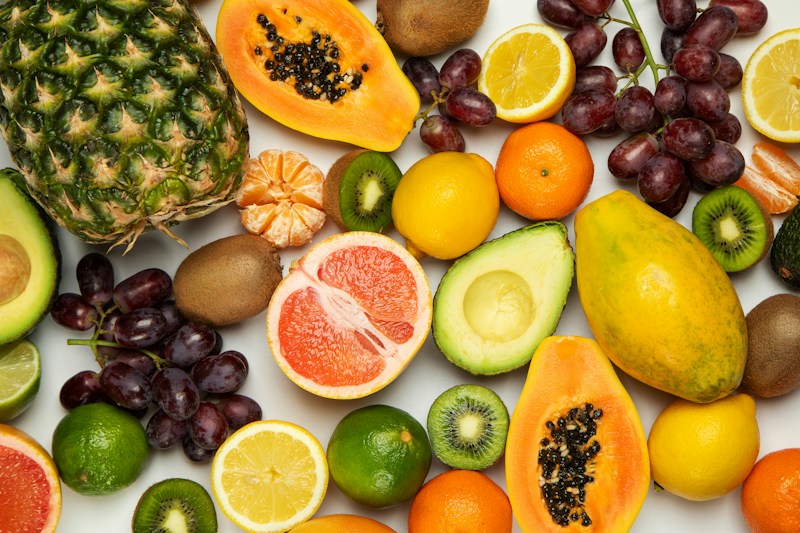
Fruits, vegetables, and cereals have lost up to half of their essential nutrients over the past 60 years, according to a new report called Hollow Harvests released in October 2026.
The report attributes the decline primarily to industrial farming practices that prioritize yield and appearance over nutritional content. Crops are bred to grow faster and larger, but the trade-off is a reduction in vitamins, minerals, and other compounds that support human health.
Climate change is identified as a compounding factor. Rising carbon dioxide levels in the atmosphere cause plants to grow more carbohydrates but fewer proteins and micronutrients, a phenomenon researchers call the "CO2 dilution effect."
The Global Wellness Institute highlighted the Hollow Harvests findings in its October 2026 must-reads roundup, noting that the report has significant implications for how people think about diet and nutrition.
Specific nutrients that have declined include iron, zinc, calcium, magnesium, and vitamins B2 and C. The losses vary by crop and region but are consistent enough across studies to represent a clear trend.
Researchers say the findings challenge the assumption that eating a diet rich in fruits and vegetables is sufficient to meet nutritional needs. They argue that soil health, farming methods, and crop selection all matter as much as the quantity of produce consumed.
The report calls for changes in agricultural policy to incentivize farming practices that restore soil health and prioritize nutritional quality. It also recommends that dietary guidelines be updated to reflect the lower nutrient density of modern produce.
Public health experts say the findings underscore the need for a broader conversation about food systems and their long-term impact on population health.