Wellness in 2026: People Are Ditching Data Trackers for Human Connection
The Global Wellness Summit's 2026 trends report shows a major shift away from constant self-tracking and performance metrics. Consumers are moving toward nervous system regulation, emotional repair, and community-based wellness experiences.
The Global Wellness Summit released its 2026 trends report this month, and the headline finding is clear: people are tired of optimizing themselves.
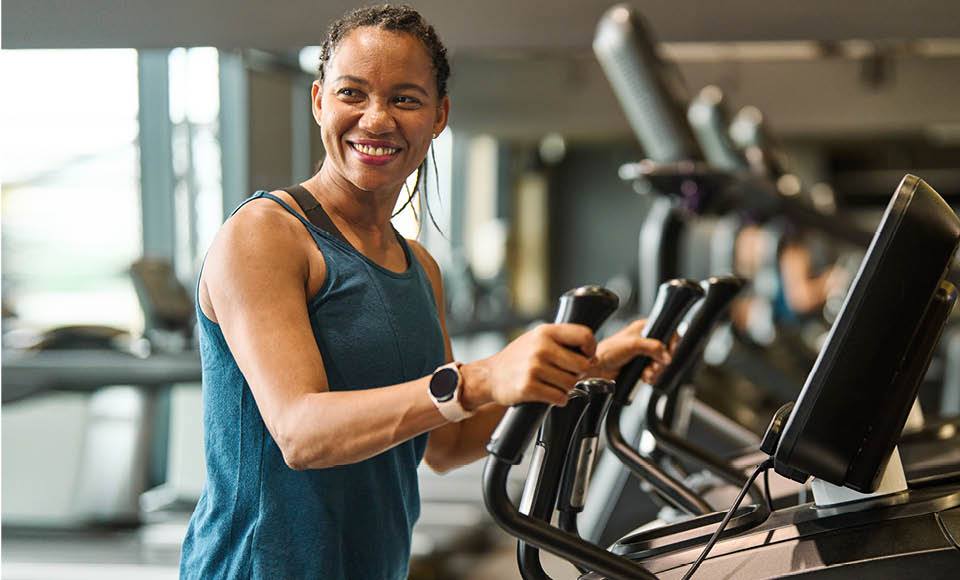
After years of wearables, sleep scores, and biometric dashboards, a growing number of consumers are stepping back from data-driven wellness. The report calls this the "over-optimization backlash," a rejection of the idea that health can be reduced to numbers on a screen.
Instead, people are seeking what the report calls "sensation over scores." That means prioritizing how they feel, not what their tracker says. Nervous system regulation, emotional repair, and joy are replacing clinical performance as the goals of wellness.
This shift is showing up in how people spend money on health. Group wellness gatherings, sometimes called the "festivalization of wellness," are growing in popularity. These are social, non-prescriptive events focused on community rather than competition.
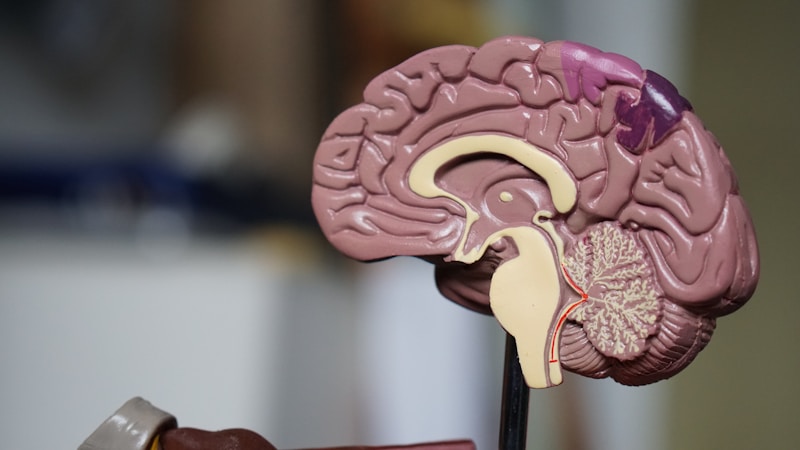
Neurowellness is another area gaining attention. This field focuses on proactive training to manage the chronic stress response that modern digital life creates. Tools include vagus nerve stimulation devices, EEG-guided sleep trackers, and neurofeedback platforms.
Women's health is also getting more focused attention. The longevity market is moving beyond basic menopause symptom management toward addressing ovarian aging itself. Researchers are studying how the ovary functions as a central regulator of systemic health.
GLP-1 medications, originally developed for diabetes, continue to attract interest for weight management. Experts caution that these drugs work best when combined with lifestyle changes, including strength training and adequate protein intake, to prevent muscle loss.
The report also highlights the rise of "fitness travel," where people choose vacation destinations based on access to training facilities and recovery services. Private wellness clubs are growing as alternatives to gyms, offering in-person community away from screens.