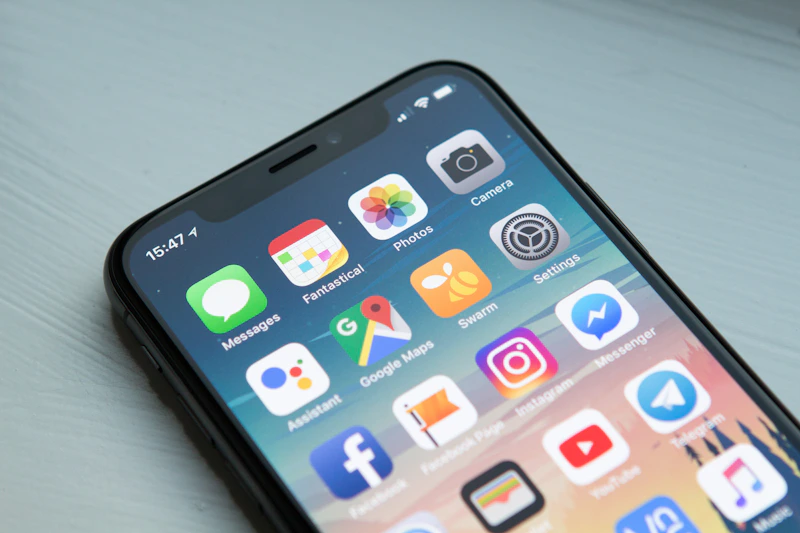
Stress Awareness Month 2026: Americans Shift Away from Always-On Culture
April 2026's Stress Awareness Month is highlighting a significant cultural shift as Americans, particularly Gen Z, move away from the 'always-on' lifestyle toward analog activities and intentional rest. A 2024 Gallup poll found that nearly half of Americans frequently feel stressed, driving demand for stress-reduction strategies. Mental health experts are encouraging mindfulness, digital detox, and community connection as antidotes to chronic stress.

April 2026's Stress Awareness Month is shining a spotlight on a significant cultural shift underway in America, as growing numbers of people, particularly younger generations, are deliberately stepping back from the "always-on" digital lifestyle in favor of analog activities and intentional rest.
A 2024 Gallup poll found that nearly half of Americans frequently feel stressed, a figure that has remained stubbornly high despite increased awareness of mental health issues. The sources of stress are varied: Americans report feeling anxious about personal finances (59%), uncertainty about the coming year (53%), and current events (49%), according to the American Psychiatric Association's Healthy Minds Poll.
Google search trends show a notable increase in queries like "how to reduce stress naturally" and "stress relief," indicating that people are actively seeking solutions. What's emerging is a counter-cultural movement, particularly among Gen Z, toward activities that provide genuine mental rest: knitting, coloring, reading physical books, gardening, and other analog pursuits that don't involve screens.
Mental health experts are encouraging this shift, noting that chronic stress has profound physical health consequences, including increased risk of cardiovascular disease, immune dysfunction, and metabolic disorders. Techniques being recommended include mindfulness meditation, breathwork, cold exposure, somatic practices, and gratitude journaling.
The American Psychiatric Association's Healthy Minds Poll also revealed encouraging news: 38% of Americans planned to make a mental health-related New Year's resolution for 2026, a 5% increase from the previous year. This trend is particularly pronounced among younger adults aged 18-34, with 58% reporting such plans.
Mental health professionals are also noting the importance of social connection as a buffer against stress. Strong social relationships are associated with lower rates of anxiety and depression, better immune function, and reduced risk of chronic diseases. Community engagement, including faith communities, hobby groups, and neighborhood organizations, is being highlighted as a particularly effective antidote to the isolation that often accompanies chronic stress.